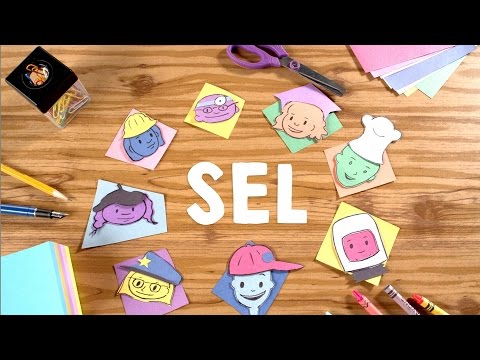
Hey there! Let’s chat about something pretty cool: social emotional learning. You might’ve heard about it before, but what’s the deal with all this talk?
Este blog ofrece contenido únicamente con fines informativos, educativos y de reflexión. La información publicada no constituye consejo médico, psicológico ni psiquiátrico, y no sustituye la evaluación, el diagnóstico, el tratamiento ni la orientación individual de un profesional debidamente acreditado. Si crees que puedes estar atravesando un problema psicológico o de salud, consulta cuanto antes con un profesional certificado antes de tomar cualquier decisión importante sobre tu bienestar. No te automediques ni inicies, suspendas o modifiques medicamentos, terapias o tratamientos por tu cuenta. Aunque intentamos que la información sea útil y precisa, no garantizamos que esté completa, actualizada o que sea adecuada. El uso de este contenido es bajo tu propia responsabilidad y su lectura no crea una relación profesional, clínica ni terapéutica con el autor o con este sitio web.
Basically, it’s all about understanding feelings—yours and others. You know how sometimes you just get caught up in your own head? Well, social emotional learning helps you step outside of that bubble.
Think of it as a toolkit for navigating life’s ups and downs. It’s not just for kids in school either; trust me, adults can use it too!
So, grab a coffee or tea, and let’s break down the key concepts of social emotional learning together. You in?
Practical Examples of Social Emotional Learning for Educators
Social Emotional Learning (SEL) is all about helping kids understand their feelings, build relationships, and make good choices. So, for educators looking to integrate SEL into their classrooms, practical examples can really make a difference.
1. Daily Check-Ins
A simple way to start your day is with daily check-ins. Have students share how they feel using a feelings chart or a quick thumbs up/down. This practice encourages them to recognize and articulate their emotions.
2. Role-Playing Scenarios
Creating role-playing activities can be super helpful too. Design scenarios where students might face conflict or challenges—like sharing or handling disagreements. Then, let them act it out! This helps develop empathy and problem-solving skills.
3. Collaborative Projects
Group projects are more than just academic work; they’re an SEL goldmine! When students work in teams, they learn communication, compromise, and cooperation. Plus, they get to practice conflict resolution when disagreements pop up.
4. Mindfulness Practice
Incorporating mindfulness exercises can be transformative! Lead a short breathing exercise or meditation session at the beginning or end of class. This gives students tools to manage stress and enhances focus.
5. Journaling for Reflection
Encourage journaling as a way for students to reflect on their thoughts and feelings after each day or week. It’s like having a private space where they can explore their emotions without judgment.
6. Game-Based Learning
Games can also promote SEL skills in fun ways! Think of games that require teamwork and strategy, like “Capture the Flag.” Kids learn cooperation while enjoying themselves—how cool is that?
7. Storytelling Sessions
Use storytelling as a means of teaching empathy and understanding different perspectives. Share books that touch on various emotions or social situations, then discuss them together!
These examples aren’t one-size-fits-all solutions but should spark ideas for your classroom environment where kids thrive emotionally and socially!
Remember, integrating SEL doesn’t have to feel burdensome; even small changes can lead to significant benefits in your students’ emotional development. And while these strategies are helpful tools in education settings, they don’t replace the need for professional support when it’s necessary—so keep that in mind!
Comprehensive Guide to Social-Emotional Learning: Downloadable PDF Resources
Social-Emotional Learning (SEL) is all about how we understand ourselves and relate to others. You know, it’s that blend of skills that helps you manage your emotions, build relationships, and make good decisions. Basically, it’s the foundation for connecting with yourself and the world around you.
So let’s break this down a bit! There are several key concepts within SEL that really capture what it’s all about:
- Self-Awareness: This is about knowing your own emotions, strengths, and weaknesses. For instance, when you feel anxious before a big presentation, recognizing that feeling can help you manage it better.
- Self-Management: It’s the ability to control your emotions and behaviors in different situations. Imagine working on a group project. If someone disagrees with you, staying calm instead of reacting defensively is crucial.
- Social Awareness: This one focuses on understanding others’ feelings and perspectives. Think about playing team sports—you need to read your teammates’ body language to work together effectively.
- Relationship Skills: These skills help you build strong connections with others. Good communication is key here! It’s like when you talk things out after an argument with a friend rather than ignoring each other.
- Responsible Decision-Making: Here we’re talking about making choices based on values and ethics. Picture this: deciding whether to cheat on an exam—it takes responsible decision-making to choose integrity over temptation.
Alright, let’s sprinkle in some real-life vibes! Picture yourself in school. You have a tough day after failing a math test (self-awareness). Instead of moping around, you reach out to friends for support (relationship skills). They help you see where you went wrong, which boosts your confidence for next time (self-management).
And hey, games in classrooms can actually support these concepts too! Ever played «Feelings Charades»? It encourages self-awareness as players express emotions without words while others guess what they are feeling—totally fun!
Now onto resources: if you’re looking for materials or activities around SEL that can help reinforce these concepts at home or in classrooms there are downloadable PDFs out there filled with exercises and activities targeted at different age groups.
Just remember though—while SEL is super helpful for personal growth and relationships with others, it isn’t a substitute for professional support if needed. It’s always okay to reach out if things get too heavy.
In the end, social-emotional learning isn’t just another educational buzzword; it’s really about nurturing who we are as people so we can truly connect with those around us! And that’s something worth investing in!
Understanding Social Emotional Learning Theory: Frameworks and Applications in Education
Sure thing! So, let’s take a closer look at Social Emotional Learning (SEL) and why it matters in education. You know, it’s one of those buzzwords that are floating around, but really, it boils down to some key ideas that can totally shift how students learn and grow.
What is Social Emotional Learning?
At its core, SEL is all about helping you develop the skills to understand and manage your emotions, set goals, show empathy for others, establish positive relationships, and make responsible decisions. It’s like building your emotional toolbox!
- Self-Awareness: This is about knowing yourself. It helps you recognize your emotions and how they affect your thoughts and behavior.
- Self-Management: Once you’re aware of your feelings, the next step is managing them. This includes regulating your emotions and setting personal goals.
- Social Awareness: Here’s where empathy comes into play—understanding the feelings of others, even if their experiences are different from yours.
- Relationship Skills: It’s not just about making friends; it’s also related to communicating clearly and resolving conflicts effectively.
- Responsible Decision-Making: This involves making choices based on ethical standards which can lead to positive social behaviors.
So what does this look like in real life? Imagine a classroom where kids are learning not just math or reading but also how to listen to each other. They play games that require them to work in teams. It could be something as simple as a group project or even a fun game like “The Listening Circle” where they share stories while others listen without interrupting.
Now let’s chat about the frameworks. Schools often adopt certain frameworks for organizing SEL into their curriculum. For instance:
- The CASEL Framework: The Collaborative for Academic, Social, and Emotional Learning (CASEL) has become one of the most recognized frameworks guiding SEL practices.
- The 5 Core Competencies of CASEL: These include self-awareness, self-management, social awareness, relationship skills, and responsible decision-making.
Using these frameworks lets educators map out how they want to incorporate SEL into their lesson plans. It becomes less of an abstract concept and more tangible for students.
In terms of applications, you might wonder how this all plays out in actual classrooms:
- Curricular Integration: Teachers blend SEL teaching with academic subjects—like using literature to spark discussions about emotions or moral dilemmas.
- Create a Positive Environment: Classrooms that feel safe encourage open conversations about feelings without judgement.
And here’s something cool: evidence suggests that when students engage in SEL practices, they tend to perform better academically! Seriously—it makes sense when you think about it. If you’re feeling good emotionally and socially supported, you’re more likely to focus on learning.
It’s also worth mentioning that while SEL can make a huge difference in schools, it doesn’t replace professional help when needed. If someone’s struggling with significant emotional issues or mental health concerns—they should definitely reach out for additional support from professionals who can provide specialized assistance.
In summary? Social Emotional Learning isn’t just some fancy term educators throw around. It’s an essential part of growing up today—helping young people thrive not only in school but throughout life! And who wouldn’t want that?
So, let’s chat about social emotional learning, or SEL for short. It’s one of those terms you might hear thrown around a lot nowadays, but what does it really mean? Honestly, it’s all about understanding our emotions and building better relationships with ourselves and others. It’s like if you imagine climbing a mountain where every step helps you get closer to knowing how you feel and how to connect with people better.
You know what? I remember sitting in my high school cafeteria one day. I was having a kind of rough morning, feeling out of place, and suddenly, my friend came over with a big smile and some fries. She just got it—knew we could talk about our feelings or just share some silly jokes. That moment wasn’t just about fries; it was everything that social emotional learning embodies: recognizing emotions, showing empathy, and building connections.
At its core, SEL includes a few key concepts: self-awareness, self-management, social awareness, relationship skills, and responsible decision-making. Yeah, I know that sounds like a mouthful! But breaking it down helps.
Self-awareness is all about recognizing your own feelings and how they affect your behavior. Think about times when you’ve been cranky after not getting enough sleep—understanding that can help you manage your reactions better.
Then comes self-management; this part encourages you to control emotions and behaviors in various situations. Like when you’re super mad at someone but decide to take a deep breath instead of yelling—yeah? That’s growth right there!
Social awareness is next; it’s the ability to empathize with others. Remember my friend with the fries? She had this knack for tuning into what others were feeling—it’s such an essential part of connecting.
Relationship skills help us communicate effectively and resolve conflicts peacefully. You know those awkward moments when disagreements happen? Well-developed relationship skills can smooth those over!
Finally, there’s responsible decision-making—the ability to make choices based on ethical standards while considering the consequences. Ever found yourself deciding whether to go out or stay in and study? Weighing those options is part of developing this skill.
It all sounds pretty technical sometimes, but these concepts play out every day in our lives! Seriously! They shape how we navigate our friendships or handle stress at work or school.
So why should we care? Because the impact of SEL stretches beyond just individual well-being—it affects communities too! When we’re in tune with our feelings and able to communicate effectively, we build stronger relationships which create healthier environments for everyone.
In the end, social emotional learning isn’t just for kids; it’s something we can embrace at any age! So here’s to understanding ourselves more deeply—just like that delicious fry-sharing moment can spark genuine connection! You with me on this journey?