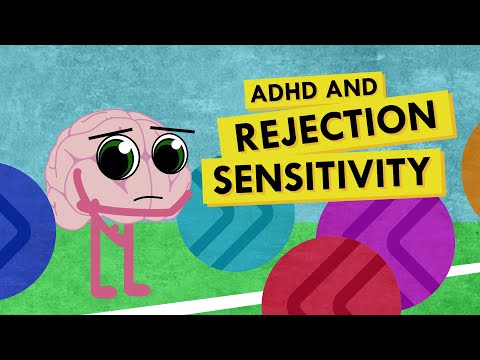
Hey! So, let’s chat about something that hits home for a lot of folks: ADHD and low self-esteem.
Este blog ofrece contenido únicamente con fines informativos, educativos y de reflexión. La información publicada no constituye consejo médico, psicológico ni psiquiátrico, y no sustituye la evaluación, el diagnóstico, el tratamiento ni la orientación individual de un profesional debidamente acreditado. Si crees que puedes estar atravesando un problema psicológico o de salud, consulta cuanto antes con un profesional certificado antes de tomar cualquier decisión importante sobre tu bienestar. No te automediques ni inicies, suspendas o modifiques medicamentos, terapias o tratamientos por tu cuenta. Aunque intentamos que la información sea útil y precisa, no garantizamos que esté completa, actualizada o que sea adecuada. El uso de este contenido es bajo tu propia responsabilidad y su lectura no crea una relación profesional, clínica ni terapéutica con el autor o con este sitio web.
You know how it feels when you just can’t seem to keep up? That sense of being different or falling behind? Yeah, that’s what many people with ADHD grapple with.
But here’s the thing—those struggles can mess with your confidence. It’s like a sneaky little thief, stealing away your self-worth when you least expect it.
So, what causes this combo of ADHD and low self-esteem? And more importantly, how do we cope? Stick around, because we’re diving in together!
Understanding the Link Between Undiagnosed ADHD and Low Self-Esteem
ADHD, or Attention-Deficit/Hyperactivity Disorder, can sometimes feel like trying to navigate a video game with the difficulty cranked up to max – everything’s moving fast, obstacles pop up outta nowhere, and you just want to hit pause for a moment. You’re not alone if you’ve felt that way. For many who have undiagnosed ADHD, low self-esteem often tags along like an unwanted sidekick. Let’s break down why that happens and what you can do about it.
First off, the link between undiagnosed ADHD and low self-esteem is pretty strong. When ADHD goes unnoticed, you’re bound to face challenges in school, work, and even in social settings. You might struggle with organization or forget important tasks. This constant feeling of falling short can lead to negative self-talk and feelings of inadequacy.
You may find yourself thinking things like: “Why can’t I just focus like everyone else?” or “What’s wrong with me?” These thoughts chip away at your self-worth over time.
Here are some ways this connection manifests:
- Academic Struggles: Many people with undiagnosed ADHD have difficulty keeping up in a classroom setting. When grades slip or assignments pile up, it’s easy to internalize this as personal failure.
- Social Challenges: Maintaining friendships can get complicated when impulsivity takes over or when conversations feel overwhelming. You might feel socially awkward because of these struggles.
- Workplace Woes: In the job world, organization and focus are key skills. When you struggle in these areas without realizing why, it can lead to feelings of worthlessness.
Anecdote time! Think of a game where you’re always getting knocked out before reaching the next level because you can’t remember the pattern to win the boss fight. Frustrating, right? That’s how someone with ADHD might feel every day – constantly battling against their own brain while others seem to advance effortlessly.
But wait – it doesn’t have to be all doom and gloom! There are strategies that can help improve both your symptoms and your self-esteem along the way:
- Acknowledge Your Strengths: Everyone has unique talents! Make a list of what you’re good at. Maybe you’re creative or an empathetic listener.
- Create Structure: Use planners and reminders! Organizing your environment can help reduce feelings of chaos that accompany ADHD.
- Simplify Tasks: Break big chores into bite-sized pieces – it’ll make them less daunting! Check them off one by one; trust me, it feels great!
- Talk About It: Share your feelings with trusted friends or family members who get it; open conversations normalize experiences.
With support networks around you – whether friends who understand or professionals who specialize in ADHD – building a healthier self-image becomes easier over time. Just remember: seeking help from therapists or counselors is key if things get too heavy; they’re trained precisely for moments like this.
In summary, ADHD often goes hand-in-hand with low self-esteem when left undiagnosed but recognizing this link is powerful! By understanding how these two impact each other and implementing coping strategies into daily life, there’s hope for improvement on both fronts. And don’t hesitate to reach out for professional guidance when needed— you’re not alone on this journey!
Understanding ADHD Confidence Dumping: Causes, Symptoms, and Strategies for Management
Let’s chat about ADHD confidence dumping. It’s a term you might not hear all the time, but it’s really important. When you have ADHD, low self-esteem can creep in like an uninvited guest. You know what I mean? It’s that feeling of doubt that appears when challenges pop up, like a tricky level in a video game where you keep losing.
So, first off, what causes this confidence dump? Well, people with ADHD often struggle with tasks that seem simple to others. It might be organizing your desk or finishing a project on time. When these everyday challenges become overwhelming, you start to feel less confident. Imagine continuously failing at a game level; eventually, you’d start doubting your skills too!
Symptoms of this confidence dump can look different for everyone but some common signs include:
- Negative self-talk: You might catch yourself saying things like “I’ll never get this right” or “I can’t do anything.”
- Avoidance: Skipping tasks or social situations because you fear failure or embarrassment.
- Comparison: Looking at others and thinking they have it all figured out while you struggle.
- Pessimism: Feeling hopeless about the future or your abilities.
This kind of thinking can be linked to the way ADHD affects brain processing. It can mess with your executive functioning—think of it as the game’s control center that helps you plan and execute moves effectively. If that’s glitchy, everything feels harder.
But hey! There are ways to manage these feelings! Here are some strategies that might help:
- Acknowledge your strengths: Make a list of things you’re good at. Seriously, keep it handy! Pull it out when you’re feeling low.
- Create small goals: Break tasks into bite-sized pieces. Just like leveling up in games—they’re more manageable and give rewards often!
- Cultivate a support network: Surround yourself with positive people who lift you up instead of bringing you down.
- Meditation and mindfulness: These practices can help quiet the storm in your mind and improve focus over time.
You know what else helps? Seeking out therapy or coaching tailored for ADHD can sound intimidating but it’s super valuable. They have tools to guide you through those murky waters and improve your self-esteem.
The bottom line is that experiencing ups and downs is totally normal! ADHD brings unique challenges that can affect how confident you feel about yourself. By recognizing what’s happening and using strategies to cope, you’re already on the road to improvement!
If you’re struggling heavily, reach out for professional help because sometimes we need an extra hand to pull us back up—just like in those teamwork games where every player counts!
Understanding Low Self-Esteem in Adults with ADHD: Causes, Effects, and Strategies for Improvement
Low self-esteem can be a tricky companion for many adults, especially those with ADHD. You know, having ADHD means dealing with challenges like difficulty focusing, organizing tasks, and managing impulsivity. These struggles can erode self-confidence pretty quickly. Let’s dive into the causes and effects of low self-esteem in adults with ADHD, plus some strategies that might help improve it.
Causes of Low Self-Esteem in Adults with ADHD:
- Negative Feedback: Constantly receiving criticism for being disorganized or forgetful can chip away at self-worth.
- Comparison to Others: When you compare yourself to friends or colleagues who seem to have it all together, it can feel overwhelming.
- Past Experiences: Struggles in school or work due to ADHD symptoms may lead to feelings of failure.
- Social Challenges: Difficulty in social situations—like not picking up on social cues—can lead to isolation and loneliness.
A quick story here. I remember a friend who had ADHD growing up. He was great at math but would struggle with deadlines and often got scolded by teachers. Over time, these experiences made him believe he wasn’t good enough, even when he excelled in other areas. See how that works?
Effects of Low Self-Esteem:
- Anxiety and Depression: It’s common for adults dealing with low self-esteem to also experience anxiety or depression.
- Avoidance Behavior: You might start avoiding new opportunities or social gatherings out of fear of failure or judgment.
- Poor Decision-Making: When you don’t trust yourself, making decisions—even simple ones—can become daunting.
The thing is, low self-esteem can spiral into a cycle that’s hard to break if you’re not careful. That’s why knowing some coping strategies can be super helpful!
Coping Strategies for Improvement:
- Cognitive Behavioral Therapy (CBT): This type of therapy helps change negative thought patterns into more positive ones. It’s like leveling up your mind!
- Create a Support System: Surrounding yourself with understanding friends and family who encourage you can really bolster your confidence. Think about them as your cheer squad!
- Acknowledge Small Wins: Celebrate even the tiniest achievements! Did you remember an appointment? Awesome! Give yourself a high-five!
- Pursue Interests and Hobbies: Engaging in activities where you excel can boost your morale. So if you’re great at gaming, dive into that world—it might just lift your spirits!
If all this sounds familiar—or even if it hits home—you’re not alone! Many people face similar struggles and finding ways to cope is crucial. Remember though: none of this replaces seeking professional help if you’re feeling overwhelmed.
You’re worth it! So take those steps toward feeling better about yourself one day at a time!
ADHD and low self-esteem often go hand in hand, and it’s something that many people grapple with. You see, when you have ADHD, life can feel like a constant uphill battle. Tasks that seem simple to others, like focusing in class or keeping track of time, can become monumental challenges. This can lead to feelings of frustration, inadequacy, or even failure. I remember a friend of mine who struggled with this; she was incredibly bright but always felt like she was falling behind because of her ADHD. It hurt to watch her beat herself up over things that were out of her control.
So let’s break it down a bit. ADHD isn’t just about having trouble sitting still or being easily distracted; it affects how you view yourself too. When you’re constantly getting feedback that you’re not measuring up—like messy assignments or missed deadlines—it’s natural to start seeing yourself through a negative lens. You might think, “I’ll never be good enough.” It’s tough!
Now, the causes of low self-esteem in people with ADHD can be pretty multifaceted. First off, there’s the societal stigma surrounding the disorder itself. Society often doesn’t understand or appreciate how ADHD really works; they see a lack of discipline instead of neurological differences. Plus, there are those emotional ups and downs that come with impulsivity and hyperactivity: one minute you’re on top of the world, and the next you feel like you can’t get anything right.
Coping strategies? There are definitely ways to tackle this whole situation! Finding a supportive community is key—whether it’s friends who get it or therapists who specialize in ADHD can make all the difference. Celebrating small wins is also crucial! Like if you manage to complete a task—no matter how small—give yourself a high five for it. Seriously.
Another great strategy is focusing on strengths rather than weaknesses. Everyone has talents! Maybe you’re creative or great at thinking outside the box—that’s something to embrace! Keeping reminders around that highlight your strengths can help shift your focus from what you struggle with to what makes you unique.
And let’s not forget about setting realistic goals for yourself as well. It’s easier said than done but breaking tasks down into bite-sized pieces makes them way less overwhelming.
All in all, navigating ADHD and low self-esteem is no walk in the park but remember—you’re not alone in this journey. With some support and practice, it’s definitely possible to build confidence while working with your brain rather than against it!