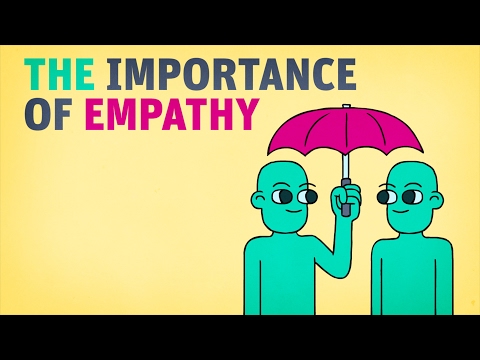
You know what? Teaching isn’t just about delivering content. It’s about connections. Seriously.
Este blog ofrece contenido únicamente con fines informativos, educativos y de reflexión. La información publicada no constituye consejo médico, psicológico ni psiquiátrico, y no sustituye la evaluación, el diagnóstico, el tratamiento ni la orientación individual de un profesional debidamente acreditado. Si crees que puedes estar atravesando un problema psicológico o de salud, consulta cuanto antes con un profesional certificado antes de tomar cualquier decisión importante sobre tu bienestar. No te automediques ni inicies, suspendas o modifiques medicamentos, terapias o tratamientos por tu cuenta. Aunque intentamos que la información sea útil y precisa, no garantizamos que esté completa, actualizada o que sea adecuada. El uso de este contenido es bajo tu propia responsabilidad y su lectura no crea una relación profesional, clínica ni terapéutica con el autor o con este sitio web.
Think about your favorite teachers. They weren’t just experts in their subjects, right? They saw you. They understood you. That’s what made all the difference.
Empathy in the classroom? It’s a game-changer. When teachers connect with students on a human level, magic happens. You feel supported, engaged, and ready to learn.
So, how do we weave empathy into our teaching? Let’s explore how building those strong connections can transform the learning experience for everyone involved!
Understanding the Importance of Teaching Empathy to Students for Emotional and Social Development
Teaching empathy to students? Oh man, that’s like giving them a superpower! It’s not just about being nice; it’s about building emotional intelligence and social skills that they can use throughout their lives.
Why is empathy so important, you ask? Well, think about how it feels when someone really “gets” you. It’s comforting, right? Empathy helps students connect with others on a deeper level. They learn to recognize and understand emotions—both their own and those of their peers. When kids feel understood, they’re more likely to engage and participate.
Here are some key points on why teaching empathy is a game changer:
- Promotes Healthy Relationships: Empathetic students tend to form stronger bonds with others. They know how to communicate effectively and resolve conflicts peacefully.
- Enhances Academic Performance: When students feel emotionally safe, they’re more open to learning. A supportive classroom boosts confidence and motivation!
- Encourages Inclusivity: Teaching empathy fosters an environment where diversity is embraced. Students become more accepting of differences.
- Reduces Bullying: Kids who understand others’ feelings are less likely to engage in hurtful behavior. Empathy creates a kinder school atmosphere.
Now, let’s make it real with a little story! Picture this: A teacher notices two kids in class who just don’t seem to get along. Instead of jumping in with rules or punishments, she asks them to share something personal—a favorite memory or what makes them happy. As they talk, they realize they both love soccer! Who knew?! Suddenly, they’re laughing instead of arguing.
Games can really help here too! Activities like role-playing or simulation games allow students to “walk in someone else’s shoes.” This can be eye-opening! Imagine playing a game where you have to make decisions for another character based on their background or feelings. That kind of experience sticks!
But remember, while teaching empathy is crucial for emotional growth, it doesn’t replace professional help if something deeper is going on with a student—like trauma or mental health issues. Those need specialized attention from trained professionals.
In the end, fostering empathy in schools isn’t just about making polite kids; it’s about raising compassionate adults who’ll contribute positively to society. So next time you’re in the classroom or working with kids, remember: your efforts in teaching empathy today could change lives tomorrow!
Understanding the 3 A’s of Empathy: A Clear Guide to Enhancing Emotional Connection
Empathy is super important for connecting with others, especially when you’re teaching. It’s like a bridge that helps you understand your students better. So, let’s talk about the three A’s of empathy: **Affect**, **Appraisal**, and **Action**.
Affect refers to the emotional side of empathy. It’s about recognizing and feeling what someone else is going through. Imagine a student who looks anxious before a big presentation. You might notice their fidgeting hands or their biting lip. Feeling this anxiety yourself can help you respond more compassionately. When you say, “I know this is tough, but I believe in you,” you’re tapping into your ability to resonate emotionally with them.
Then there’s Appraisal. This involves understanding the situation from the other person’s perspective. It’s not just about feeling what they feel but also getting why they feel it. For instance, maybe a student struggles with math homework because they’ve been dealing with issues at home. By taking time to chat with them and understand their unique situation, you show them you care beyond just grades or assignments.
Finally, we have Action. This is where empathy becomes practical! It means taking steps based on what you’ve learned from feeling and understanding someone else’s experience. If a student feels overwhelmed by deadlines, maybe offer them an extension or some extra help hours after class. Simple gestures can go a long way in making someone feel supported.
Let’s break it down into points:
- Affect: Recognizing emotions.
- Appraisal: Understanding situations.
- Action: Responding practically.
So here’s how these play out in a classroom setting:
– **Affect:** You notice a student is upset after receiving low grades on an exam.
– **Appraisal:** You ask them how things are going outside of school and discover they had family problems affecting their focus.
– **Action:** You offer additional resources or suggest study groups to help them catch up without being overwhelmed.
In games like *Minecraft*, players often work together to solve challenges using communication and emotional cues—this kind of teamwork illustrates empathy in action in real-time!
Overall, embracing the 3 A’s can strengthen connections between teachers and students significantly while encouraging emotional growth across the board! Remember though, while fostering these connections helps create supportive environments, it doesn’t replace professional help when needed.
So next time you’re in class, think about how you’re tuning into those emotions around you!
Understanding How Empathy Builds Meaningful Connections
Building meaningful connections through empathy is super important, especially in environments like classrooms where students are learning and growing. It’s like the glue that holds relationships together. So, let’s break down how this works, shall we?
What is Empathy?
Empathy is basically putting yourself in someone else’s shoes. It’s not just about feeling sorry for someone; it’s understanding their feelings and experiences. When you can truly connect with how someone else feels, it creates a stronger bond.
Why Empathy Matters in Education
When teachers show empathy, they create a safe space for students to express themselves. Think about it: when students feel understood, they’re more likely to engage and participate. This is huge! Here are some key benefits:
- Improved communication: Students feel comfortable sharing their thoughts.
- Increased engagement: When students see that their feelings matter, they want to join in.
- Bigger sense of belonging: Empathy can help create a community vibe, making everyone feel included.
The Role of Active Listening
Active listening is all about being present and focused when someone is talking to you. It’s more than just hearing the words; it’s about understanding what those words mean to them. So here’s a quick example: imagine your friend tells you they didn’t do well on a test. Instead of jumping straight into “you should’ve studied harder,” listen first! Ask questions like “How did that make you feel?” This opens up a dialogue.
The Ripple Effect
When teachers demonstrate empathy, it often inspires students to do the same with each other. You know what? It creates this awesome cycle of kindness! When one person feels seen and heard, they’re more likely to reach out and help others too.
Think about a game like “Among Us.” Players need to communicate clearly and understand each other’s reactions to figure out who the impostor is! Imagine if players didn’t pay attention or dismissed each other’s feelings during discussions—games would lose their fun factor quickly!
Cultivating Empathy in Classrooms
So how can educators foster empathy? Here are some ideas:
- Create group activities: When working together on projects, students learn about each other’s perspectives.
- Share stories: Storytelling helps individuals relate to different experiences and backgrounds.
- Model empathetic behavior: Teachers can demonstrate empathetic responses during discussions or conflicts.
The Bottom Line
Basically, empathy isn’t just some buzzword—it’s vital for building strong connections in classrooms (and beyond). By taking time to understand others’ feelings and perspectives, you’ll encourage an environment where everyone thrives.
And remember: while these tips are good practices for fostering connections through empathy, they’re not a substitute for professional help if needed. Empathy builds bridges between us all—but sometimes we need specialized support too!
So there you have it! Building strong connections through empathy isn’t rocket science; it’s simply about caring enough to listen and respond meaningfully. Easy peasy, right?
You know, teaching isn’t just about hitting the books and going through the syllabus. At least, it shouldn’t be. Seriously, when a teacher brings empathy into the classroom, everything changes. It’s like injecting a whole new level of understanding and connection between students and teachers.
Think about it for a second. Imagine you walk into class on a tough day—maybe you had an argument with a friend or didn’t sleep well. Now, picture your teacher noticing that something’s off. Instead of launching right into the lesson, they take a moment to check in with you. “Hey, are you alright? You look a bit off today.” It seems small, but that kind of acknowledgment can make a world of difference.
I remember one time back in high school when I was feeling super stressed about exams. My history teacher figured it out without me saying anything and just said, “You know what? If you need to talk or take a breather any time this week, my door’s always open.” Wow! That made me feel seen in a way I hadn’t expected. Just knowing she cared lifted some weight off my shoulders.
When teachers approach their students with empathy, they create an environment that encourages openness and trust. Students feel safer sharing their thoughts—like when someone feels comfortable enough to ask questions without worrying about being judged or looking silly. That’s powerful!
And here’s something interesting: empathy doesn’t just help students emotionally; it also enhances their learning experience! Research suggests that when students feel connected to their teachers on this deeper level, they tend to perform better academically too. It’s like there’s this invisible thread binding them together—the more connected they feel, the more engaged they become.
So how do teachers build these strong connections? It starts with active listening—really paying attention when students speak—and being vulnerable too; sharing little bits about themselves can help break down those walls between student-teacher relationships.
All in all, teaching with empathy is like unlocking a hidden treasure chest in education. When both sides feel understood and respected, magic happens: collaboration flourishes and learning becomes much more meaningful.
I guess what I’m trying to say is: teaching isn’t just about delivering information; it’s also about creating those connections that allow everyone involved to flourish together. And that’s something we can all value whether we’re teaching or learning!