Hey you! So, life can be a bit much sometimes, right? Stress is everywhere—work, relationships, or even just that never-ending to-do list that keeps haunting you. It’s easy to feel overwhelmed.
Este blog ofrece contenido únicamente con fines informativos, educativos y de reflexión. La información publicada no constituye consejo médico, psicológico ni psiquiátrico, y no sustituye la evaluación, el diagnóstico, el tratamiento ni la orientación individual de un profesional debidamente acreditado. Si crees que puedes estar atravesando un problema psicológico o de salud, consulta cuanto antes con un profesional certificado antes de tomar cualquier decisión importante sobre tu bienestar. No te automediques ni inicies, suspendas o modifiques medicamentos, terapias o tratamientos por tu cuenta. Aunque intentamos que la información sea útil y precisa, no garantizamos que esté completa, actualizada o que sea adecuada. El uso de este contenido es bajo tu propia responsabilidad y su lectura no crea una relación profesional, clínica ni terapéutica con el autor o con este sitio web.
But here’s the thing: taking time to relax isn’t just a luxury; it’s super important for our well-being. Seriously! Finding ways to unwind can make a huge difference in how we feel day to day.
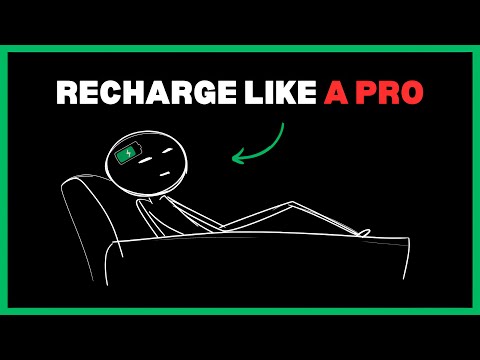
Imagine kicking back with your favorite show or taking a stroll in the park. Sounds nice, huh? It’s all about giving yourself those little moments that help recharge your batteries.
Let’s talk about some simple ways you can chill out and feel way better. Ready? Here we go!
Understanding the 3 3 3 Rule for Calming: A Practical Guide to Reducing Anxiety
So, let’s chat about this cool little trick called the 3 3 3 Rule. It’s super simple but can work wonders when you’re feeling anxious or just need a moment to regroup. Basically, it’s all about grounding yourself. Here’s how it works:
- Look for 3 things around you that you can see. It could be anything, like a coffee cup, a tree outside, or your favorite book on the shelf. The goal here is to really take in those details.
- Next up, identify 3 sounds you can hear. Maybe it’s the ticking of a clock, birds chirping outside, or even the hum of your laptop. Acknowledging these sounds helps bring your focus back to the present.
- Finally, move 3 parts of your body. This could be as simple as wiggling your toes, stretching your arms up high, or rolling your shoulders back. It gets you back in tune with yourself.
You with me? This technique is kind of like playing an old-school game where you have to find hidden objects—you start looking at things differently and get distracted from whatever is stressing you out.
Let me paint a picture for you. Imagine you’re at work and suddenly feel overwhelmed by deadlines and emails piling up. You know that feeling? Your heart races a bit more than usual and the world feels like it’s spinning faster. Instead of spiraling down that anxiety rabbit hole, stop and think: what are three things I can see right now? Maybe it’s that cute plant on your desk (not only does it look nice; plants actually help reduce stress), the wall art that cheers you up or even someone walking by who makes your day better.
After taking in those visuals, zero in on noises around ya—like maybe there’s some mellow music playing softly or people chatting nearby. By focusing on concrete elements around us—sights and sounds—we shift away from our racing thoughts.
Once you’ve done that, shake things up with some body movement! Just lean back in your chair or give those shoulders a good roll; it’s refreshing! We often forget how much tension we hold in our bodies during stressful moments!
This method isn’t just quick—it also gets us out of our heads and into reality for a moment! Seriously though—while this method is super helpful, remember it’s not intended to replace professional help if you’re dealing with chronic anxiety or other serious stuff.
If you’re still curious about boosting wellness overall, think about creating small routines that make space for relaxation throughout your day. Like maybe sipping tea while journaling about gratitude? Or just stepping outside for fresh air during lunch? There are loads of ways to unwind!
All in all—the 3 3 3 Rule is easy enough to remember but can make a huge difference when anxiety creeps up on ya. Give it a shot next time you’re feeling frazzled! Who knows? You might be surprised at how effective it really is!
Understanding the 5 C’s of Stress: A Clear Guide to Managing Stress Effectively
Stress is one of those things we all deal with, whether we like it or not. But understanding how to manage it can make a huge difference in your day-to-day life. One way to break it down is through the 5 C’s of Stress. Let’s take a closer look at each of them so you can figure out what works for you.
- Control: Feeling in control is massive when it comes to stress. If you think about a game where you’re in charge of your character, like The Sims or even Mario, you get this sense that your decisions shape the outcome. When life feels chaotic, finding small areas where you can exert some control helps keep stress at bay.
- Challenge: Sometimes stress comes from feeling overwhelmed by challenges. But what if you flipped the script? Instead of seeing tricky situations as burdens, view them as opportunities for growth. Imagine you’re facing a tough level in a game; each time you fail, you’re learning something new that helps you conquer that level next time!
- Commitment: Staying committed to your goals and values helps ground you during stressful times. Think about a sport or an activity you’ve committed to—say, training for a marathon or mastering a difficult video game level. That dedication not only keeps your mind focused but also reminds you why you’re doing what you’re doing.
- Connection: Don’t underestimate the power of social connections! Sharing experiences with friends can lighten the load significantly. It’s like teaming up in multiplayer games—having someone by your side makes those challenges seem less daunting. So reach out when stress hits; talk it out over coffee or even through online chats!
- Coping: This one’s about how we deal with the stress itself. There are positive coping strategies like exercise, mindfulness and hobbies that help promote relaxation and boost well-being—like playing video games as an escape or diving into your favorite book.
Integrating these 5 C’s into your life might require some effort but trust me, it’s worth it! Take stock of where you feel stressed and see which “C” could use some strengthening.
Remember though, if stress becomes overwhelming and starts messing with your daily life, seeking help from professionals is so crucial. Nobody should feel they have to go through tough times alone! So keep these 5 C’s handy as tools in your stress management toolbox and use them whenever things start feeling heavy—you’ve got this!
7 Warning Signs of Stress: Recognizing the Psychological Indicators
Stress is like that unwelcome guest who shows up uninvited and decides to stay a little too long. You might think it’s just a phase, but sometimes it can sneak up on us and wreak havoc on our mental health. So, let’s look at some warning signs that stress is taking over your life.
- Irritability: If you find yourself snapping at people for no reason, that’s a classic sign. Imagine your friend borrows your gaming console for a week, and when they return it late, you explode! This irritability isn’t about the console; it’s more about stress simmering below the surface.
- Stress can seriously mess with your sleep. Maybe you toss and turn, or wake up feeling groggy. Picture trying to finish a level in a tough game while fighting off fatigue—it doesn’t work well!
- Fatigue: Feeling tired all the time? That could be stress wearing you down. Just like having to restart your favorite game over and over can drain your energy, stress does the same thing mentally and physically.
- Difficulty Concentrating: If focusing on tasks feels like trying to catch smoke with bare hands, you might be stressed out. It’s like playing an intricate puzzle game where each piece seems to disappear when you’re not looking straight at it!
- Physical Symptoms: Stress isn’t just in your head; it often shows up in physical ways too—headaches, stomachaches, or muscle tension can happen. Think of it as if your body is sending you error messages when things get overloaded.
- Avoidance: Do you find yourself avoiding responsibilities or social situations? It’s like dodging levels in a game because you’re afraid of failing; that fear can keep growing if not faced.
- Lack of Enjoyment: When things that used to make you happy—like gaming with friends—don’t feel fun anymore? That’s a big red flag! It’s similar to playing a game without any excitement; everything feels dull!
I mean, recognizing these signs is super important because they signal it’s time to hit pause and reevaluate what’s happening in your life. You may not need professional help every time stress shows up, but don’t hesitate if things feel overwhelming! Sometimes talking to someone—a friend or therapist—can make all the difference.
If you’re feeling any of these signs right now, remember: it’s okay! You’re definitely not alone in this struggle. Just take a moment for yourself and consider some ways to unwind—you deserve it!
You know, sometimes life just feels like it’s on fast-forward, right? Between work, family obligations, and social media (ugh!), it can be tough to find a moment to breathe. I remember this one time when I was completely burnt out after weeks of juggling deadlines and personal stuff. I seriously thought I could power through it, but my brain had other ideas. I crashed and burned on the couch for a whole weekend, binge-watching an entire series. It wasn’t healthy!
Now, what if I told you that there are way better ways to relax? Seriously! Here’s the deal: relaxation isn’t just about zoning out in front of the TV; it’s about nurturing your mind and body in a way that makes you feel refreshed and recharged.
One of the best ways to relax is through mindfulness practices like meditation or yoga — so cliché yet so effective! When you focus on your breath or that downward dog pose, it’s like hitting the pause button on everything else swirling around you. It helps clear out mental clutter and brings you back to your center. Even if it’s just five minutes of deep breathing each day, it can make a massive difference.
But hey, if sitting still sounds painfully dull to you (totally get that!), then physical activities might be more your jam. Whether it’s jogging, dancing in your living room like no one’s watching, or even taking a long walk in nature — moving your body releases those feel-good endorphins that can turn around a dreary day. Plus, being outdoors connects you with something bigger than yourself; nature has this magical ability to ground us.
And let’s talk about hobbies for a second! Pick up painting or knitting or strum on an old guitar buried somewhere in your closet — seriously anything that sparks joy! Engaging in creative activities lets your mind wander freely without all the noise usually clanging around in there.
Don’t forget about social connections either. Sometimes just chatting with a friend over coffee (or tea!) can be incredibly rejuvenating. You know those heart-to-heart talks where time flies by? Yup, those are golden for your well-being!
So there you have it: relaxation doesn’t have to mean being lazy; it’s all about finding what works for you personally. Embrace simple acts that light you up inside and bring relevant happiness back into your life. In the end, it’s all about learning how to navigate life’s challenges without losing yourself along the way — because we all deserve that moment of peace amidst the chaos!