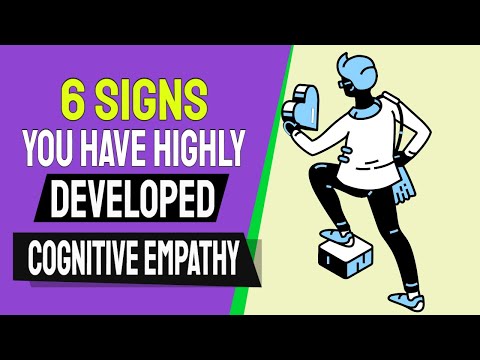
So, have you ever felt like you just *get* someone? Like, you’re in their head and heart, feeling what they’re feeling? That’s cognitive empathy for ya!
Este blog ofrece contenido únicamente con fines informativos, educativos y de reflexión. La información publicada no constituye consejo médico, psicológico ni psiquiátrico, y no sustituye la evaluación, el diagnóstico, el tratamiento ni la orientación individual de un profesional debidamente acreditado. Si crees que puedes estar atravesando un problema psicológico o de salud, consulta cuanto antes con un profesional certificado antes de tomar cualquier decisión importante sobre tu bienestar. No te automediques ni inicies, suspendas o modifiques medicamentos, terapias o tratamientos por tu cuenta. Aunque intentamos que la información sea útil y precisa, no garantizamos que esté completa, actualizada o que sea adecuada. El uso de este contenido es bajo tu propia responsabilidad y su lectura no crea una relación profesional, clínica ni terapéutica con el autor o con este sitio web.
It’s not just about feeling sad when your friend is down. Nope, it goes deeper. It’s about understanding their thoughts and perspectives without losing yourself in their emotion.
Pretty cool, right? Cognitive empathy helps us connect on a different level. It’s all about seeing the world through someone else’s eyes while still staying grounded.
Stick around – we’ll unpack this concept together!
Example of Cognitive Empathy in Real Life: Understanding Perspectives and Emotions
Cognitive empathy is a fascinating topic, and really, it’s all about understanding someone else’s perspective and emotions without necessarily feeling the emotions yourself. It’s like having the ability to step into someone else’s shoes and see the world through their eyes. It doesn’t mean you share their feelings, but you can grasp what they’re experiencing.
Why is Cognitive Empathy Important?
It plays a crucial role in effective communication and relationships. When you have cognitive empathy, you can navigate conversations better. You understand not just what someone says but what they mean on a deeper level. You with me? Imagine talking to a friend who’s upset after losing a job. If you can grasp their feelings without feeling overwhelmed by sadness yourself, then you’re truly practicing cognitive empathy.
- Conflict Resolution: This skill aids in resolving arguments because you can recognize why the other person feels hurt or angry.
- Improved Relationships: It helps strengthen bonds since people appreciate being understood.
- Increased Compassion: Being aware of others’ perspectives can lead to kinder actions towards them.
So let’s look at some real-life examples! Picture this: you’re chatting with your friend who’s stressed about an exam. Instead of just saying “I understand,” you ask questions that show you’ve thought about their situation: “What part are you finding hardest?” That’s cognitive empathy in action! You’re tuning into their experience and validating it.
Another cool example is in the workplace. Let’s say your coworker is overwhelmed with deadlines. Instead of getting annoyed at their stress affecting your rhythm, you might think, “Wow, they must be really swamped right now.” By recognizing what they’re going through, maybe you’ll offer help or just a listening ear instead of snapping at them.
Games as an Example:
You know how some video games allow players to make choices that affect others? In games like «Life is Strange,» players often face decisions where understanding characters’ backgrounds influences how they react or feel towards them. This kind of gameplay encourages cognitive empathy because it pushes players to consider multiple perspectives before making choices that impact relationships within the game.
But here’s something important: while cognitive empathy is great for personal growth and relationships, it doesn’t replace professional help when needed. If someone’s struggling deeply with emotional issues, encouraging them to talk to a therapist could be way more beneficial.
All in all, it seems that cognitive empathy isn’t just an abstract concept; it’s something we can practice every day. Whether it’s a simple conversation or choosing how we respond in tricky situations—every bit helps create a more understanding environment around us! What do you think? Feels good to connect with others on this level!
Understanding Cognitive Empathy: Implications and Insights for Emotional Connection
Let’s chat about cognitive empathy. Now, this isn’t just about feeling sorry for someone; it’s a whole lot deeper and involves some brain stuff. Basically, cognitive empathy is the ability to understand how someone else feels and what they might be thinking. It’s like putting on their glasses and seeing the world through their eyes.
Cognitive empathy allows you to comprehend people’s emotions without necessarily feeling those emotions yourself. You know, it’s that moment when you can sense your friend is upset because you notice their body language or hear their tone of voice. It doesn’t mean you’re crying alongside them but that you get where they’re coming from.
- Key Role in Connections: This form of empathy plays a crucial role in how we connect with others. Think about a time when a friend was going through something tough; your ability to understand their perspective probably helped strengthen your bond.
- Not the Same as Affective Empathy: Now, don’t mix it up with affective empathy! Affective empathy is all about sharing those feelings and emotions. You feel what they feel, almost like an emotional sponge.
- Cognitive Skills: The cool thing? Cognitive empathy relies heavily on your cognitive skills—your ability to think and understand complex social situations. It’s like a mental puzzle, where you fit together pieces of verbal cues and non-verbal signals.
You might find it interesting that folks can develop cognitive empathy through practice. For example, if you’re into role-playing games or storytelling activities, they can help expand your understanding of different characters’ perspectives—making it easier for you to step into someone else’s shoes in real life!
This kind of understanding also has practical applications in various fields like therapy and education. Imagine teachers who grasp what their students are feeling; they’d be better equipped to support learning experiences tailored just for them.
The implications of having strong cognitive empathy skills are huge! It can lead to better communication, less conflict, and enhanced relationships both personally and professionally. When we understand each other’s thoughts better, we create an atmosphere full of trust and compassion.
Of course, while this understanding can boost emotional connections with people around you, it doesn’t replace professional help when needed. If emotions become too overwhelming or complex—seeking guidance from a therapist or counselor is always a good step!
This whole concept highlights how intricate human interactions are—sometimes all we need is just a little bit of understanding. And there you have it! Cognitive empathy lets us connect by truly getting what others might be thinking or feeling without always having to feel those same feels ourselves.
Can You Learn Cognitive Empathy? A Practical Guide to Developing Understanding and Connection
Can you learn cognitive empathy? Absolutely! Cognitive empathy is all about understanding someone else’s feelings and thoughts, without necessarily sharing those emotions. You’re not diving into their feelings; instead, you’re stepping back and figuring out what they’re experiencing. It’s like putting together a puzzle with someone else’s perspective as the picture on the box.
So, how do you develop this skill? Well, it’s totally doable with some practice! Here are a few things to consider:
- Active listening: This means genuinely paying attention when others talk. Sometimes, you might find yourself thinking about what to say next instead of really hearing them. Try to focus on their words and ask questions that dig deeper into their feelings.
- Perspective-taking: Put yourself in someone else’s shoes. Imagine how you’d feel if you were going through what they’re experiencing. It’s like playing a character in a video game. You change your strategy based on the character’s background and circumstances.
- Reading between the lines: Often, people don’t say exactly what they mean or feel. Look for nonverbal cues like body language or facial expressions. For instance, if someone says they’re fine but looks upset, that can be really telling.
- Ask open-ended questions: Instead of yes/no questions, try ones that encourage elaboration. For example, “How did that make you feel?” invites deeper conversation than “Did that upset you?”
- Practice empathy in everyday situations: Challenge yourself to engage with people outside your usual circle—like classmates or coworkers—and genuinely inquire about their perspectives.
And hey, I want to share a quick story here. A friend of mine was going through a tough breakup. I didn’t get it at first; I thought she should just move on already! But one day, after listening to her for an hour (yikes!), I finally saw where she was coming from—how heart-wrenching it can be when dreams don’t pan out as planned. That moment shifted my approach completely.
In terms of games, think about role-playing games where you assume different characters’ roles and play out scenarios—they’re great for practicing cognitive empathy! You’re not just blasting through quests but learning to see things from different angles.
Now remember, while working on cognitive empathy can strengthen your relationships and improve communication skills, it’s not a substitute for professional help if you’re grappling with deeper emotional issues or conflicts.
So all in all? Sure! With practice and intention, you can definitely learn cognitive empathy. It takes time and effort but worth it when it helps build connections and understand those around you better!
Cognitive empathy is one of those terms that can sound super fancy, but it’s really about understanding how others think and feel. Picture this: you’re sitting with a friend who’s just had a rough day at work. They’re upset, and instead of just feeling sorry for them, you kinda get where they’re coming from. You know the thoughts running through their mind, like the frustration of that one coworker or the pressure from a looming deadline. That connection? That’s cognitive empathy in action.
It’s different from emotional empathy, which is more about actually feeling what someone else feels. Cognitive empathy lets you step back and analyze the situation more rationally, without drowning in emotions. It’s like watching a movie; you see the characters’ struggles, and while you might feel sad for them, you’re also able to think about how they could fix things or what led them there in the first place.
Let’s say you have a friend who often seems headstrong and unyielding. One day they have an explosive reaction over something small – maybe their coffee spilled all over their favorite shirt. You could easily roll your eyes thinking they’re overreacting. But with cognitive empathy, you might remember that they’ve been dealing with personal issues lately—like family drama or financial stress—so this little mishap feels like a tipping point for them. Suddenly, it makes sense why they reacted that way!
That ability to step into someone else’s shoes (figuratively speaking!) helps not just in friendships but also at work or even with strangers on social media where things can get heated fast. When we understand why people act how they do, it encourages compassion instead of judgment.
Thinking back on my own experiences, I recall a time when I thought my brother was being ridiculously stubborn over some decision regarding his career path. I was ready to confront him about it until I learned he was grappling with anxiety about his future—a whole other layer I hadn’t even considered! Once I realized that, I was able to approach him differently and offer support instead of criticism.
In today’s world where conflicts seem to pop up everywhere—especially online—cognitive empathy is key to navigating relationships better and fostering understanding among people who are different from us. It doesn’t mean we always agree or condone others’ actions but it does create space for dialogue and connection.
So remember: next time you’re faced with someone’s behavior that’s hard to understand, take a step back! Try tapping into cognitive empathy; it can make all the difference in building bridges instead of walls between us.