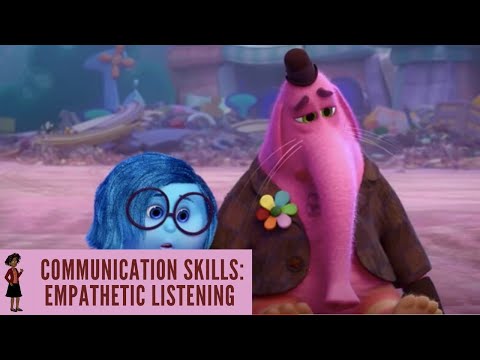
You know that feeling when someone just gets you? It’s like magic, right?
Este blog ofrece contenido únicamente con fines informativos, educativos y de reflexión. La información publicada no constituye consejo médico, psicológico ni psiquiátrico, y no sustituye la evaluación, el diagnóstico, el tratamiento ni la orientación individual de un profesional debidamente acreditado. Si crees que puedes estar atravesando un problema psicológico o de salud, consulta cuanto antes con un profesional certificado antes de tomar cualquier decisión importante sobre tu bienestar. No te automediques ni inicies, suspendas o modifiques medicamentos, terapias o tratamientos por tu cuenta. Aunque intentamos que la información sea útil y precisa, no garantizamos que esté completa, actualizada o que sea adecuada. El uso de este contenido es bajo tu propia responsabilidad y su lectura no crea una relación profesional, clínica ni terapéutica con el autor o con este sitio web.
Accurate empathy isn’t just about being nice or saying the right words. It’s deeper. It’s really about connecting with others on a whole different level.
Imagine sitting across from a friend who’s going through a tough time. Instead of just nodding and saying “I understand,” you actually feel what they’re feeling. That’s powerful stuff!
But hey, it’s not always easy to do that. Sometimes we mess up, say the wrong thing, or totally miss the mark. You’ve been there, I’m sure!
Let’s chat about how to navigate those tricky waters and create genuine connections that truly matter!
Understanding Empathy: A Practical Guide to Building Genuine Connections with Others
Empathy is one of those buzzwords you hear a lot these days, but what does it really mean? At its core, empathy is about understanding and sharing the feelings of others. You know, like when your friend tells you they had a rough day at work, and you could almost feel their frustration in your bones. It’s not just sympathy—it’s deeper and more intimate.
So, how do we build genuine connections through empathy? Well, let’s break it down a bit, shall we?
- Listen Actively: This means really paying attention when someone talks to you. Not just nodding along while thinking about what to say next. You want to hear them out! Imagine playing your favorite video game; if you’re distracted by your phone, you might miss that epic moment.
- Validate Feelings: It’s super important to acknowledge what the other person is feeling. If they’re sad or angry, let them know it’s okay to feel that way. Just like when someone gets upset over losing a game—telling them it’s alright helps them feel understood.
- Put Yourself in Their Shoes: Try imagining their experiences and emotions from their perspective. This can be tough sometimes! But think of it as trying on someone else’s VR headset—everything looks different through their eyes.
- Share Your Own Feelings: Empathy goes both ways! Sharing a similar experience can create closeness, as long as you don’t overshadow their feelings. Remember that time you felt lost in a new city? Relating your story could help them feel less alone.
- Avoid Judgments: It’s crucial not to judge how someone feels or reacts. Everyone has their own struggles; imagine being critiqued for crying during an emotional scene in a movie—it hurts. In the same way, people need space to express themselves without being judged.
Building empathy takes practice and patience—it doesn’t happen overnight. So don’t beat yourself up if it feels tough sometimes!
Let me share an experience with you: A while back, I was chatting with my friend who had just gone through a breakup. They were devastated and expressed how unfair life felt at that moment. Instead of jumping in with my own relationship woes or trying to make them feel better right away, I sat back and listened intently—just giving them that space felt powerful! I nodded along and asked questions like “What did that feel like for you?” By doing this simple act of listening and validating their feelings without interjecting too much of my own stuff, I could see the weight slowly lifting off their shoulders.
Empathy fosters connection because it shows that you’re genuinely interested in the other person’s feelings—it makes them feel valued! But remember: it’s human nature to slip up sometimes or miss the mark entirely; if you find yourself struggling with empathizing consistently or if you’re facing heavy emotional burdens yourself, reaching out to a professional can be incredibly helpful.
In the end, empathy isn’t just some abstract concept; it’s genuine human connection at its best. When we practice accurate empathy with those around us—we create meaningful relationships where people truly feel seen and understood! How cool is that?
Charlie Kirk’s Complete Quote on Empathy: Understanding Its Context and Meaning
Empathy is one of those words that gets tossed around a lot, right? But what does it really mean, especially when we think about someone’s complete quote on it? Charlie Kirk’s perspective on empathy dives into how we can connect with others more effectively. Let’s break this down.
Charlie Kirk talks about **»Accurate Empathy,»** which isn’t just about feeling sorry for someone. It’s more like understanding their situation from their point of view. Basically, it’s about picking up the emotional cues and responding in a way that shows you totally get where they’re coming from.
- Active Listening: This means really paying attention when someone talks. It’s like playing a co-op game; you need to know what your teammate is doing to win together.
- Acknowledging Emotions: When someone shares their feelings, it’s important to validate them. Imagine you’re in a multiplayer game and your friend is frustrated; acknowledging that can ease tension and help both of you focus better.
- Sharing Perspectives: Sometimes, sharing personal experiences can make people feel less alone. Think of it as trading tips in a game—by sharing your strategy, it opens up new ways to look at the challenge.
What’s crucial here is the idea of connection. You know how when you’re playing an intense game with friends, everyone gets hyper-focused? That’s kind of what empathy does for relationships. It creates this space where two people can feel understood.
But empathy isn’t just about being sympathetic or sweet-talking someone. There’s a deeper layer here: intention and impact matter too. Kirk suggests that true empathy requires us to act in ways that genuinely uplift others. For instance, if your friend shares their struggle with anxiety, responding with «that’s tough» followed by actionable support can go way beyond just saying you care.
Here’s an emotional anecdote for you: imagine you’re at a party feeling totally out of place. Then, someone notices and comes over to chat—not just polite small talk but asking how you’re doing and actually listening! That feeling of connection speaks volumes; it makes all the difference between feeling isolated or included.
In the end, **accurate empathy** isn’t solely about understanding feelings—it’s also about bridging gaps between experiences and emotions in meaningful ways. And while we can draw lessons from people like Charlie Kirk on this topic, remember that if things get heavy or complicated in relationships, professional help can provide that extra support you might need.
So yeah, empathy matters—a lot! And connecting deeply with others not only helps them but enriches our own lives too!
Effective Examples of Accurate Empathy to Enhance Connection with Others
Hey you, let’s chat about something super important: accurate empathy. It’s basically the art of really tuning in to how others are feeling. Not just understanding them, but feeling it with them, you know? This kind of connection builds trust and strengthens relationships. Trust me; it can totally transform the way you interact. So, how do we practice this? Let’s break it down.
- Listening Actively: When someone shares their feelings, put down your phone and look them in the eye. Nod occasionally to show you’re with them. I remember a time when my friend was upset about a breakup. Instead of offering advice right away, I just listened. In that moment, they needed to feel heard more than anything.
- Reflecting Feelings: Paraphrase what someone says to show you get it! For example, if your buddy says they’re stressed at work, try saying something like, “Wow, that sounds really overwhelming.” It’s like playing a video game where you mirror the challenges and strategies—you’re showing empathy by reflecting their struggles.
- Avoiding Judgment: Keep an open mind! If someone expresses something that seems silly or trivial to you, don’t roll your eyes or dismiss it. Remember when your sibling got overly anxious about an exam in school? Instead of laughing off their fear, validating those feelings made all the difference.
- Using Body Language: Your body speaks too! Lean slightly toward the person and use soft gestures. A warm smile can be worth a thousand words. The other day I noticed how changing my posture really helped my brother open up after he had a tough day.
- Asking Open-Ended Questions: Instead of yes/no questions like “Are you okay?”, ask something like “How did that make you feel?” This encourages deeper conversation and shows genuine interest in their emotions.
The thing is, practicing accurate empathy isn’t always easy; it takes time and effort. But let me tell you—it’s worth it! When people feel truly understood, they’re more likely to open up and connect with you on a deeper level!
Diving into accurate empathy also means knowing when to step back if someone needs space or professional help. Sometimes we can’t solve every issue for our friends; being there for them doesn’t mean taking on their problems entirely.
So next time you’re chatting with someone who’s feeling low or going through tough stuff—remember these tips! Bringing genuine empathy into conversations makes all the difference in creating authentic connections!
You know, empathy is such a powerful thing. I mean, think about those times when you’ve felt completely understood by someone—it’s like magic, right? But then there are other moments when you feel like someone’s trying really hard to connect, but they just miss the mark. That’s where accurate empathy comes in.
I remember this one time I was going through a tough breakup. My friend sat with me for hours, listening to all my woes. But instead of saying something that really resonated, she kept jumping in with her own stories. While I appreciate her wanting to relate, it felt more like she was making it about her rather than just being there for me. It made me realize how tricky empathy can be; sometimes we want to fix things or share our own experiences when what we really need is just to be heard.
So what’s the deal with accurate empathy? Basically, it’s about tuning into someone’s feelings and responding in a way that makes them feel understood without overshadowing their emotions with our own stuff. It’s not always easy! You might find yourself wanting to intervene or offer advice when sometimes the best move is simply to listen and validate them.
Imagine being on the receiving end of a conversation where someone really gets you. They’re not just nodding along; they’re reflecting back what you’re saying, sometimes even repeating it in their own words to show they get it. It feels comforting! That’s accurate empathy at work.
On the flip side, when you don’t connect accurately, it can lead to frustration or even resentment. People want that authentic connection—you know? We all crave understanding at some level.
It takes practice—just like anything else—and awareness of your own feelings while tuning into someone else’s experience. So next time you’re chatting with a friend going through a rough patch or even sharing something exciting from your life, take a moment and check in on how you’re interacting with them. Are you amplifying their joy or sorrow? Because that’s where real connections happen!