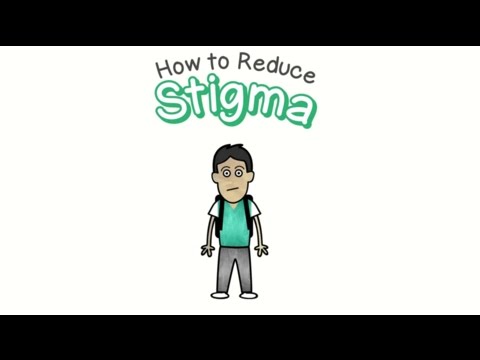
You know, stigma is one of those things that just hangs over our heads like a gray cloud. It’s frustrating. It can make people feel totally isolated.
Este blog ofrece contenido únicamente con fines informativos, educativos y de reflexión. La información publicada no constituye consejo médico, psicológico ni psiquiátrico, y no sustituye la evaluación, el diagnóstico, el tratamiento ni la orientación individual de un profesional debidamente acreditado. Si crees que puedes estar atravesando un problema psicológico o de salud, consulta cuanto antes con un profesional certificado antes de tomar cualquier decisión importante sobre tu bienestar. No te automediques ni inicies, suspendas o modifiques medicamentos, terapias o tratamientos por tu cuenta. Aunque intentamos que la información sea útil y precisa, no garantizamos que esté completa, actualizada o que sea adecuada. El uso de este contenido es bajo tu propia responsabilidad y su lectura no crea una relación profesional, clínica ni terapéutica con el autor o con este sitio web.
We’ve all heard those whispers, right? “Did you hear about her?” or “He’s just attention-seeking.” Seriously, who hasn’t been there?
But here’s the deal: We can absolutely change this. There are ways to tackle stigma head-on. Small shifts in how we talk and think can make a big difference.
Let’s chat about some simple strategies to spread awareness and bring kindness back into the convo. Because, honestly? Everyone deserves to feel seen and accepted for who they are. Sound good?
Three Effective Strategies to Reduce Public Stigma and Promote Understanding
Sometimes, we all feel a bit out of place when it comes to talking about mental health or social issues. You know, those topics that can make people squirm a little? Public stigma surrounding mental illness or other social concerns can really make things worse. It’s important to talk openly and reduce that stigma! Here are three strategies that can help promote understanding and create a more empathic society.
1. Education is Key
When people are misinformed about mental health or social issues, they often latch onto stereotypes. Seriously, it’s like playing a game where everyone else knows the rules except you! For example, if someone thinks all people with depression are just being lazy, they miss out on the real struggles these individuals face.
- Schools can incorporate mental health education into their curriculum.
- Workplaces could host workshops to share facts about different conditions.
Imagine if we treated mental health discussions like any other topic in school—like math or science! That could make a huge difference in how people view these issues.
2. Share Personal Stories
Let’s be honest: an emotional story often hits harder than statistics. Sharing personal experiences can bridge gaps in understanding.
Remember that time when you had an awkward encounter with someone who wasn’t in the right headspace? Relating those moments can humanize the experience for others. You might say something like, “When my friend opened up about their anxiety, I realized I never quite understood what they were going through until then.”
- Media campaigns featuring real stories can create empathy.
- Individual conversations with friends or family members can change perspectives.
It’s powerful—when someone hears about real-life struggles instead of just a textbook definition; it makes the issue relatable.
3. Encourage Compassionate Language
Words matter! The language we use shapes our perceptions and attitudes toward others. Using compassionate language is like playing your favorite character in a game with positive vibes—it helps everyone win!
Instead of using harsh words like “crazy” or “weirdo,” let’s cultivate phrases that encourage dialogue and understanding. You could say something like, “I’m sorry you’re feeling this way; how can I help?”
- Avoid labels that isolate individuals.
- Promote phrases that affirm feelings instead of minimizing them.
Think of it as equipping yourself with better gear in your game—when you speak kindly and thoughtfully, it opens up better conversations.
In the end, reducing stigma takes time and effort from all of us. These strategies are just starting points for creating a more inclusive world where understanding thrives over judgment. Remember to treat these discussions seriously but also remember there’re professionals out there who can offer real guidance and support when needed!
Promoting Mental Health Awareness: Strategies for Reducing Stigma in Communities
Promoting mental health awareness in communities is super important. It’s about creating a space where people feel safe to talk about their struggles without being judged. You know, it’s wild how much stigma can hold people back from seeking help.
One major strategy for reducing stigma is education. When people understand what mental health conditions really are, they’re less likely to buy into the stereotypes and misconceptions. It’s like playing a new game. If you don’t know the rules or how it works, you might think it’s just for “nerds” or “weirdos.” But once you get to play, you realize it’s fun and engaging!
- Workshops and seminars: Offering events where experts share facts about mental health can change perceptions. I remember attending one at my local community center. It was eye-opening hearing stories from folks who dealt with anxiety or depression.
- Storytelling: Personal stories have a huge impact! People can relate to others when they hear real-life experiences. Maybe someone shares how they overcame panic attacks in a video or blog post—suddenly, it’s not just some abstract idea; it’s real!
- Media representation: Support media that portrays mental health accurately. Shows and movies can make a big difference; when characters face struggles with mental illness authentically, audiences can break down their preconceptions.
- Community initiatives: Local support groups, art projects, or sports clubs focused on inclusivity can foster discussions around mental health. Think of a community soccer match where players share their experiences over post-game snacks—bonding over life and struggles.
- Promote empathy and openness: Simple acts of kindness go a long way! When someone opens up about their feelings, listen without judgement. This encourages others to do the same.
But hey, don’t forget—talking about these issues is one thing; taking action is another! Building safe spaces is crucial too. Create environments—like schools or workplaces—where conversations about mental wellness are normalized.
Like in games where teamwork makes the dream work: each player contributes to success! If everyone engages in supporting each other, we’re building an army against stigma.
In short, reducing stigma around mental health takes effort from all sides. You’ve got the power as an individual to make changes within your little corner of the world. Just remember: while these strategies help raise awareness and build empathy, professional help is irreplaceable for those in need.
So go ahead! Share this knowledge with friends and family; challenge those outdated beliefs we all hear sometimes. Little by little, we can create communities that embrace understanding rather than fear!
Four Effective Strategies to Shatter the Stigma Surrounding Mental Health
Reducing the stigma surrounding mental health is crucial for creating a supportive environment for those who struggle. We’re all in this together, and it’s time to have some open, honest conversations. Here are a few effective strategies to help shatter that stigma, making it easier for folks to seek help without fear of judgment.
- Educate Yourself and Others: Knowledge is power, right? When you learn about mental health conditions, you can dispel myths and misunderstandings. For instance, many people think that mental illness equates to weakness, but that couldn’t be further from the truth! Engaging in discussions or sharing articles can help others see the reality behind these issues.
- Share Personal Experiences: Storytelling can be a game-changer. When people share their own journeys with mental health, it humanizes the struggle. Let’s say your friend talks openly about their anxiety; it makes others feel they’re not alone! It can even inspire someone else to seek help or share their own story.
- Create Safe Spaces: Whether it’s at work or school, creating a comfortable environment where people can talk freely about mental health without fear of judgment is essential. Have regular check-ins with colleagues or even set up workshops that focus on mental wellness. This encourages everyone to feel safe discussing their feelings.
- Challenge Stereotypes: We all have those moments when we hear jokes or comments that perpetuate stereotypes about mental health. Instead of letting those slide by, call them out respectfully! For example, if someone says “I’m so OCD” because they like things organized, remind them that OCD is more than just being tidy – it’s a serious condition for many.
In our journey through conversations around mental health, support and understanding are key. Take a moment to imagine how much easier life would be if everyone could discuss these topics openly without fear of backlash. Seriously—you know? The goal isn’t just awareness; it’s about fostering compassion.
But remember: while advocating for change is vital, nothing replaces professional help when someone needs it. Always encourage seeking guidance from qualified professionals for support and care!
Stigma, huh? It’s one of those things that sneaks into conversations, attitudes, and judgments without us even realizing it. I remember this one time, a friend of mine opened up about struggling with anxiety. And you know what was shocking? Some people in our group just didn’t get it. They laughed it off like it was no big deal and that made me super uncomfortable. But that moment really stuck with me because it highlighted how stigma can just shut people down.
So, let’s talk about reducing that stigma. First off, awareness is key! It’s kind of like when you’re learning a new song and the lyrics seem totally random at first, but after hearing them a few times, they start to click. When we talk openly about mental health issues or any kind of challenges people face — like addiction or different abilities — we start to break down those misconceptions.
One way to do this is through storytelling. Sharing personal stories can be powerful. Remember my friend? If they had shared more openly about their journey sooner, maybe others would have understood better and been more supportive. So yeah, creating safe spaces where individuals feel comfortable sharing their experiences can make a huge difference.
Education is another biggie! Teaching kids in schools about mental health from an early age could shift things dramatically down the line. Just imagine if kids were taught to talk openly about what they’re feeling instead of bottling it all up because “boys don’t cry” or whatever outdated stereotype exists! It’s all connected, you know?
And let’s not forget language! The words we use can either build bridges or create walls. Instead of labeling someone as “crazy” or “lazy,” how about we try saying they’re going through a tough time? Little shifts in our everyday dialogue can have massive ripple effects on perceptions.
So basically, if we want to reduce stigma around these issues, it’s gonna take effort from all of us — individuals, communities, and organizations alike. But hey—if we come together and make a conscious effort to understand and support one another instead of judging or dismissing experiences as “other,” then change is absolutely possible! We just need more kindness and empathy in the mix; isn’t that what makes life richer anyway?