Hey you! So, let’s talk about cortisol. Yeah, that little hormone that loves to hang out when life gets a bit too intense. You know, like when you’re stressed about work, or maybe dealing with family drama?
Este blog ofrece contenido únicamente con fines informativos, educativos y de reflexión. La información publicada no constituye consejo médico, psicológico ni psiquiátrico, y no sustituye la evaluación, el diagnóstico, el tratamiento ni la orientación individual de un profesional debidamente acreditado. Si crees que puedes estar atravesando un problema psicológico o de salud, consulta cuanto antes con un profesional certificado antes de tomar cualquier decisión importante sobre tu bienestar. No te automediques ni inicies, suspendas o modifiques medicamentos, terapias o tratamientos por tu cuenta. Aunque intentamos que la información sea útil y precisa, no garantizamos que esté completa, actualizada o que sea adecuada. El uso de este contenido es bajo tu propia responsabilidad y su lectura no crea una relación profesional, clínica ni terapéutica con el autor o con este sitio web.
Well, here’s the kicker: if you’ve got high cortisol levels hanging around for too long, it can seriously mess with your vibe.
Think of it like having an unwelcome guest in your body—the kind that drinks all your coffee and never leaves! You might not even realize it’s there until things start to feel… off.
Let’s take a moment here. Ever felt super anxious or just kinda blah without knowing why? That could be your sneaky cortisol at work.
Stick around! I’m diving into some signs you really shouldn’t ignore. Trust me; this matters more than you think!
Consequences of Untreated High Cortisol Levels: Understanding the Physical and Psychological Impact
High cortisol levels can seriously mess with both your body and mind, you know? Cortisol is often called the “stress hormone” because it’s produced by your adrenal glands when you’re stressed out. But here’s the kicker: if those levels stay high for too long, there can be some pretty tough consequences.
First off, let’s talk about physical effects. When cortisol hangs around in your system, it can lead to:
- Weight Gain: Especially around the belly. Ever noticed how stress sometimes leads you to snack more? Yup, that’s that pesky cortisol.
- Sleep Issues: High levels can disrupt your sleep cycle. You might find yourself tossing and turning or waking up feeling like you barely slept.
- High Blood Pressure: Too much cortisol can make your heart work overtime, leading to hypertension which isn’t fun at all.
- Weakened Immune System: When your body is in a constant state of stress, it doesn’t have the energy to fight off illnesses like it should.
And don’t get me started on psychological impacts! Seriously, this stuff is important too. Here are some key signs to look out for:
- Anxiety and Depression: If you’re feeling on edge or sad for no clear reason, high cortisol could be playing a role.
- Cognitive Problems: Difficulty concentrating? Forgetting things? Yeah, that could be because that extra cortisol is interfering with brain function.
- Irritability: You know those days where everything just gets on your nerves? Chronic high cortisol levels could be why.
You ever find yourself in a situation where you feel overwhelmed and just can’t catch a break? That’s pretty much what living with high cortisol feels like every day. Think of it as being stuck on a hard level of a video game where every small task feels like climbing a mountain.
It’s super important not to ignore these signs! If you think you might be dealing with elevated cortisol levels, chatting with a healthcare pro is definitely the way to go. They can help sort through what’s happening and suggest ways to manage stress better—because trust me, stress management techniques are like cheat codes for life.
So remember: while recognizing these symptoms is crucial, nothing beats getting the right kind of support when things seem out of whack. Your mental and physical health deserve attention—don’t let high cortisol run the show!
Identifying the Symptoms of High Cortisol Levels in Women: Understanding the Physical and Psychological Effects
Stress, right? It shows up in our lives like an uninvited guest. One of the main players in that stress game is cortisol. This hormone gets a bad rap since it’s often linked to stress, but it can sometimes spike for various reasons, and that can throw our bodies out of whack. So, let’s chat about some signs that could mean your cortisol levels are high.
Physical Symptoms
First off, let’s look at the physical stuff. You might notice your body feeling a bit off.
- Weight Gain: Especially around the belly. Think of it as your body’s way of gearing up for a fight or flight.
- Sleep Issues: Tossing and turning? Or maybe you can’t fall asleep at all? Cortisol can mess with your shut-eye big time.
- Fatigue: Constantly tired even after a full night’s sleep? Yeah, that’s not cool.
- Headaches: Regular headaches can be a sign too. It’s like your body throwing up red flags.
You know what I mean? When I was really stressed preparing for finals back in college, I felt so lethargic and packed on some extra pounds—totally weird feeling.
Psychological Symptoms
Now onto the mental side of things. High cortisol doesn’t just affect your body; it affects how you feel too!
- Anxiety and Irritability: Feeling on edge or snap at little things? That could be cortisol talking.
- Mood Swings: One minute you’re fine, then boom! Overwhelmed and stressed out.
- Difficulties Concentrating: Ever find yourself staring blankly at a wall instead of working? Yep, classic sign!
I remember one time when I was juggling multiple projects at work; my focus was hazy like trying to see through fogged-up glasses! Just couldn’t get things done.
Coping Mechanisms & Final Thoughts
So what do you do if you think your cortisol levels are riding high? Well, adopting some good self-care habits is a start—like getting regular exercise or practicing mindfulness.
But remember: while this info gives you some insights into what to keep an eye on, it definitely doesn’t replace professional help. If you’re worried about how you’re feeling—physically or mentally—it’s super important to consult with someone who knows their stuff!
Understanding what’s going on with your body is half the battle. Knowing those symptoms is the first step towards taking care of yourself better!
Effective Strategies for Reducing Cortisol Levels in Women
Alright, let’s chat about cortisol. You know, that sneaky stress hormone our body releases when we’re feeling overwhelmed? It’s totally normal to have some cortisol—it helps regulate blood sugar and manage stress. But when it hangs around too long, it can lead to all kinds of issues. For women, high cortisol levels can result in weight gain, sleep problems, and mood swings.
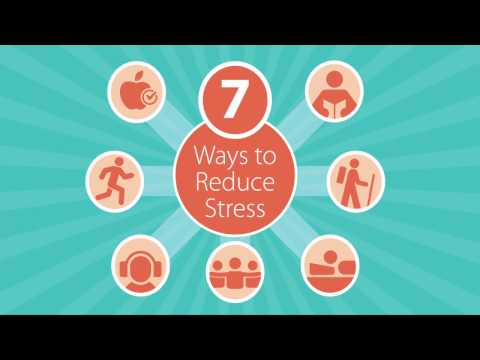
So how do we tackle this? Here are some effective strategies for reducing those pesky cortisol levels:
- Exercise regularly: Yep, moving your body is a great way to kick cortisol to the curb. Whether it’s a brisk walk, yoga, or hitting the gym hard, find something you enjoy! When I started running just a little bit each week, I noticed a big change in my mood and energy levels.
- Meditation and mindfulness: Seriously, taking just 10 minutes a day to breathe and focus on the present can work wonders. Think of it like pausing your favorite video game for a breather after an intense battle—you come back feeling refreshed! Guided meditations are everywhere these days; you can check them out on apps or YouTube.
- Get enough sleep: We all know lack of sleep is bad news. Chronic sleep deprivation keeps cortisol up there on its throne! Aim for 7-9 hours a night. Create a bedtime routine that helps you wind down; maybe light reading or listening to calming music while drifting off.
- Nourish yourself: Your diet plays a huge role in how your hormones behave! Focus on whole foods—fruits, veggies, lean proteins—and try to cut back on sugar and caffeine. Those sugary snacks might taste great but they can send your cortisol skyrocketing!
- Connect socially: Spending time with friends or family can be super helpful. Don’t underestimate the power of good company! Having someone to talk things out with lightens the load of stress you carry.
A quick note here: While these strategies are beneficial for many people dealing with high cortisol levels, keep in mind that they’re not substitutes for professional help if you really need it. It’s always smart to consult with a healthcare provider if you’re facing persistent issues.
The signs of high cortisol aren’t fun to deal with—a racing heart or feeling irritable more often than not can be red flags you shouldn’t ignore. By incorporating some of these strategies into your daily life, you may find yourself feeling lighter and more balanced over time!
So seriously consider what might work best for you from this list—small changes add up!
You know, life can throw some serious curveballs our way, and sometimes we feel like we’re just trying to keep it all together. Stress is a big part of that—like, it can creep in when you least expect it. One of the main players in this stress game is cortisol, often called the «stress hormone.» If your cortisol levels are running high, it’s like having a constantly revved-up engine. So let’s take a minute to chat about some signs that might mean your cortisol levels are higher than they should be.
First off, how’s your sleep? If you’re tossing and turning every night or waking up feeling like you’ve been run over by a truck, that’s a red flag. I remember when I was under pressure at work; I couldn’t fall asleep without my mind racing about the next day’s meetings. It’s exhausting. Poor sleep is often linked to high cortisol levels because your body is basically in fight-or-flight mode—even when you’re trying to snooze!
Then there’s weight gain—especially around the belly area. It’s like one day you look in the mirror and say, “Whoa! Where did this come from?” Cortisol can mess with your metabolism and make it super easy to pack on those extra pounds. It’s frustrating and can feel really unfair.
Also pay attention to how you’re feeling emotionally. Ever notice you’re more irritable or anxious than usual? Or maybe you’re on edge for no reason? Your cortisol might be playing tricks on you if that’s happening regularly. I’ve had days where even small annoyances felt monumental because of stress; it’s like everything is amplified.
Don’t forget about cravings either! When cortisol spikes, guess what? You might find yourself reaching for sugary snacks or comfort food way too often. It’s your body seeking quick energy boost because it thinks you’re always in survival mode.
And if you’re dealing with headaches or muscle tension more than normal—yep, cortisol could be behind that as well! Stress tightens things up; muscles get tense holding all that emotional baggage.
So why do any of this matter? Well, ignoring these signs could mean running into bigger health issues down the line. Your body is trying to tell you something important—like hey buddy, slow down!
It’s so easy to brush these things off as just «life» or «getting older,» but really listening to those signals can lead you towards healthier habits and maybe even a bit of peace amidst the chaos of life. Just remember—you don’t have to face it all alone!