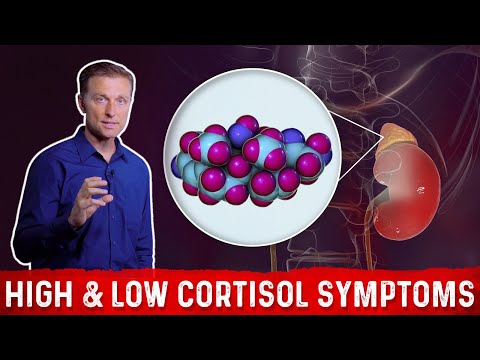
Hey, you! Let’s chat about something that might be sneaking around in your life: cortisol. Sounds fancy, right? But it’s just a little hormone that can sometimes go a bit haywire.
Este blog ofrece contenido únicamente con fines informativos, educativos y de reflexión. La información publicada no constituye consejo médico, psicológico ni psiquiátrico, y no sustituye la evaluación, el diagnóstico, el tratamiento ni la orientación individual de un profesional debidamente acreditado. Si crees que puedes estar atravesando un problema psicológico o de salud, consulta cuanto antes con un profesional certificado antes de tomar cualquier decisión importante sobre tu bienestar. No te automediques ni inicies, suspendas o modifiques medicamentos, terapias o tratamientos por tu cuenta. Aunque intentamos que la información sea útil y precisa, no garantizamos que esté completa, actualizada o que sea adecuada. El uso de este contenido es bajo tu propia responsabilidad y su lectura no crea una relación profesional, clínica ni terapéutica con el autor o con este sitio web.
You know cortisol as the stress hormone. And wow, it really kicks in when life gets tough. But what happens when it’s always high? That’s a bit of a problem.
I mean, picture this: you’re juggling work, family, and maybe even trying to keep up with friends. Stress is basically a sidekick at this point! But if cortisol doesn’t chill out, it can mess with your health in ways you wouldn’t expect.
So let’s spill the tea on why those cortisol levels might be racing and how it all affects you. Sound good? Cool!
The Main Causes of High Cortisol Levels: Understanding Stress and Its Impact on Your Health
So, let’s get right to it. You may have heard about cortisol, and you know what? It’s often called the «stress hormone.» But there’s a lot more to it than just that flashy title. Cortisol plays a role in your body’s response to stress—think of it as your body’s internal alarm system.
High cortisol levels can mess with your health in some serious ways. So what causes these levels to spike? Let’s break it down.
- Chronic Stress: This is a biggie. When you’re dealing with constant pressure—like feeling overwhelmed at work or juggling personal issues—your body reacts by releasing more cortisol. It’s like being stuck in an endlessly intense level of a video game. The longer you stay in the game, the harder it gets!
- Poor Sleep Quality: If you’re not catching enough Z’s, your body can go into overdrive producing cortisol. You know that feeling when you’ve had one too many late nights? Your body is basically telling you to hit pause and rest!
- Poor Diet: Eating loads of sugar or junk food can lead to inflammation in your body. In turn, this prompts an increase in cortisol production. It’s like putting bad fuel into a car; eventually, things just won’t run smoothly.
- Lack of Exercise: While it sounds counterintuitive, not moving around enough can actually spike your stress levels and increase cortisol—kind of like getting stuck on the couch during a marathon gaming session instead of hitting the gym.
- Medical Conditions: Certain conditions like Cushing’s syndrome or chronic inflammatory diseases can lead to elevated cortisol levels too. These aren’t something to brush aside and definitely need medical attention.
The effects of high cortisol don’t stop at just feeling stressed out all the time. When those levels stay elevated for too long, they can contribute to weight gain, anxiety disorders, digestive issues, and even heart disease! That sounds pretty scary, right?
I remember talking with a friend who was dealing with job burnout. She was constantly exhausted but couldn’t sleep well at night due to stress about work deadlines. Her doctor eventually told her that her high cortisol was messing with her entire system—from her energy levels down to her digestion! A classic case of how stress sneaks up on you and wreaks havoc without you even realizing it.
If you’re starting to suspect that high cortisol might be impacting how you feel or function daily, it’s important not to ignore those signs. Consulting a healthcare professional is crucial for getting tailored help because everyone’s situation is different!
All in all, managing stress through healthy habits—like getting good sleep, eating right, exercising regularly—not only keeps those cortisol levels in check but also helps ensure you’re living life feeling your best.
Top 10 Foods That Trigger Cortisol Levels and Their Impact on Stress Management
So, you know that feeling when life throws a ton of stress your way? Your body responds by cranking up the production of cortisol, that sneaky little hormone often dubbed the «stress hormone.» But did you know that what you eat can actually affect those cortisol levels? Let’s break it down and look at some foods that can trigger cortisol release and how they play into stress management.
1. Sugar
Sugary snacks, like pastries and candy bars, can cause spikes in insulin, leading to increased cortisol. So, when you think you’re treating yourself to a pick-me-up, it might backfire. Your body can go on a rollercoaster ride of energy highs and lows.
2. Caffeine
Yeah, coffee lovers might wanna listen up! While that morning brew can help wake you up, too much caffeine can elevate cortisol levels. It’s like your body is in constant alert mode—like being chased in an endless video game.
3. Processed Foods
Think fast food or frozen dinners—they’re convenient but clogging your diet with unhealthy fats and additives. These foods may lead to inflammation in the body, which is another trigger for cortisol release.
4. Alcohol
A drink might seem relaxing at first, but alcohol can actually ramp up your cortisol levels as your body processes it. It’s like you’re momentarily escaping stress but knocking on its door later!
5. High-Sodium Foods
You know when you’re munching on chips while binge-watching shows? These salty snacks are not only bad for blood pressure but also elevate cortisol levels over time due to their impact on overall health.
6. Trans Fats
Found in many fried foods and baked goods (think donuts), trans fats can lead to chronic inflammation pretty quickly—yup, you guessed it! Increased inflammation means higher cortisol production.
7. Refined Carbohydrates
Foods like white bread and pastries quickly turn into sugar in your bloodstream, sending insulin skyrocketing and leading to higher cortisol as well. It’s kind of like racing through a game only to hit a wall afterward!
8. Dairy Products
Some people find that dairy triggers stress reactions—even if they aren’t lactose intolerant! If milk or cheese sends your tummy into turmoil, it could be raising those pesky cortisol levels.
9. Red Meat
While protein is important for muscle repair and energy, too much red meat often comes with unhealthy fats that may contribute to increased inflammation—leading back to our friend cortisol.
10. Fast Food
We’ve all had those days when fast food feels like the best option—hello drive-thru! But frequent consumption typically leads to poor nutrition choices overall which puts extra pressure on your body and mind.
All these foods have one thing in common: they might taste good or give a quick boost of energy but come with long-term consequences for your mental health because high cortisol levels are linked to anxiety and other health issues over time.
It’s important to note though: while adjusting what you eat can help manage stress better, it’s no replacement for professional help if you’re feeling really overwhelmed or anxious all the time. You gotta listen to your body! Be kind to yourself; finding balance is key in this whole food-and-stress relationship thing.
Identifying Symptoms of High Cortisol Levels in Women: A Guide to Understanding Physical and Psychological Effects
Sure! Let’s jump into the world of cortisol and how it can impact women in various ways. Cortisol is often known as the «stress hormone.» Your body produces it in response to stress, but when you have too much of it floating around, things can get a bit rocky.
Understanding High Cortisol Levels
When we’re talking about high cortisol levels, it’s all about balance. Cortisol plays a vital role in your metabolism, inflammation reduction, and even helps you respond to stress. But an overload? Not good!
So what causes these high levels? Stress is number one on the list. Things like work deadlines, relationship problems, or even financial worries can raise your cortisol levels. It’s like a video game where monsters keep appearing—you just gotta keep fighting them off!
Other factors include:
- Poor sleep
- Caffeine overload
- Unhealthy diet
- Medical conditions like Cushing’s syndrome
Physical Symptoms of High Cortisol Levels
Okay, let’s get into what this looks like in real life because symptoms can be pretty sneaky!
You might notice:
- Weight gain—especially around the belly area.
- Skin changes, such as thinning or easy bruising.
- Increased blood pressure.
- Digestive issues—like bloating or indigestion.
Imagine you’re trying to fit into your favorite jeans and they just won’t budge anymore—that’s kind of how weight gain from high cortisol feels!
Psycho-emotional Effects
But it’s not just about the body; there are psychological effects too. Think of your mind as a computer that keeps crashing due to too many tabs open. Here’s what could happen:
- Anxiety and heightened feelings of stress.
- Difficulty concentrating—like trying to focus while someone’s playing loud music next to you!
- Mood swings that leave you feeling up one minute and down the next.
- Sleep disturbances—ever feel like you’re tossing and turning all night?
These symptoms can really throw off your groove.
Coping with High Cortisol Levels
Managing high cortisol levels isn’t something you should tackle alone! If you’re noticing these symptoms persistently, reaching out to a healthcare professional is essential.
In addition to professional advice (which is super important!), here are some strategies that may help:
- Meditation or mindfulness practices—these help calm the mind.
- A healthy diet including plenty of fruits and veggies—isn’t that always a wise choice?
- Regular exercise—think of it as leveling up your character!
- Adequate sleep—you know how critical those power naps are!
Alrighty then! The main takeaway here is understanding how cortisol affects us can really make a difference in managing our health and well-being.
Remember, while knowing these symptoms is helpful, this doesn’t replace seeking professional help if you’re experiencing persistent issues. You deserve support when dealing with stressors in life!
You know, cortisol often gets a bad rap. It’s that hormone your body releases when you’re stressed, and while it plays a crucial role in your survival—like helping you manage stress and providing your body with energy—high levels of it can really mess with your health. Seriously, let’s break it down a bit.
There are a ton of reasons why your cortisol might be through the roof. Stress is the big one, obviously. Think about that time you had a huge project at work or dealt with a particularly tough breakup. Those moments make everything feel like it’s crashing down, and your body reacts by pumping up that cortisol level to help you deal. But when stress becomes chronic—like when you’re constantly in overdrive—it can lead to problems.
And then there are other things too: lack of sleep, poor diet, and even certain medical conditions like Cushing’s syndrome can push those levels higher than they should be. It’s kind of overwhelming when you realize how many factors play into this hormonal rollercoaster.
Now, let’s talk about the effects on health because that’s where it gets serious. High cortisol can contribute to weight gain—especially around the belly—disrupt sleep patterns, and even lead to anxiety or depression. I remember chatting with a friend who was juggling multiple responsibilities at work and home; she started gaining weight despite exercising regularly and eating well. Turns out her cortisol was skyrocketing due to all that pressure she was under!
Another issue is heart health; if you keep those levels high for too long, you might be looking at an increased risk of issues like hypertension or heart disease. Not exactly what anyone wants to hear, right?
So basically, the thing is to find ways to manage stress effectively—a little exercise here or some mindfulness practices there can make a world of difference! And hey, don’t forget about proper sleep; it sounds simple but it’s super crucial for keeping those cortisol levels in check.
In the end, being aware of what’s happening inside our bodies helps us take better care of ourselves. So take a breather once in awhile—breathe deep! Your body will thank you later!