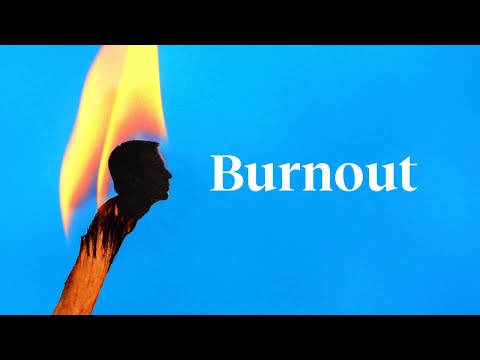
Hey you! So, let’s talk about something we all know too well: fatigue and stress. Seriously, it’s like they sneak up on us when we least expect it, right? You’re busy living your life, and then suddenly, boom! You feel like you’ve run a marathon without even moving.
Este blog ofrece contenido únicamente con fines informativos, educativos y de reflexión. La información publicada no constituye consejo médico, psicológico ni psiquiátrico, y no sustituye la evaluación, el diagnóstico, el tratamiento ni la orientación individual de un profesional debidamente acreditado. Si crees que puedes estar atravesando un problema psicológico o de salud, consulta cuanto antes con un profesional certificado antes de tomar cualquier decisión importante sobre tu bienestar. No te automediques ni inicies, suspendas o modifiques medicamentos, terapias o tratamientos por tu cuenta. Aunque intentamos que la información sea útil y precisa, no garantizamos que esté completa, actualizada o que sea adecuada. El uso de este contenido es bajo tu propia responsabilidad y su lectura no crea una relación profesional, clínica ni terapéutica con el autor o con este sitio web.
Maybe you’re nodding your head right now. I mean, who hasn’t felt that heavy weight dragging them down? And the crazy part is, sometimes we don’t even realize how stressed out or tired we are until it hits us like a ton of bricks.
So let’s break it down together. We’ll chat about those sneaky signs that show up when fatigue and stress start taking over your life. You with me? Let’s figure this out!
Recognized Symptoms of Fatigue: Understanding Physical and Psychological Signs
Fatigue can really sneak up on you, right? It’s not just feeling sleepy; it’s that overwhelming drain both physically and mentally. When life gets busy or stressful, your body can send some pretty clear signals. Let’s take a closer look at those symptoms, shall we?
Physical Symptoms of Fatigue:
- Tiredness: This one seems obvious! You might feel like you’ve run a marathon after just a long day at work or school.
- Mood changes: Ever noticed how cranky you get when you’re worn out? Fatigue can lead to irritability or mood swings.
- Pain and aches: Muscle soreness or headaches might crop up. Your body is telling you it needs a break.
- Changes in sleep patterns: You could either have trouble falling asleep or feel the need to nap constantly—which just makes everything worse!
I remember one day after pulling an all-nighter for exams. I was convinced caffeine could carry me through, but by midday, every inch of my body felt like a bowling ball. Seriously, dragging myself to classes was like trying to move through mud!
Psychological Symptoms of Fatigue:
- Lack of motivation: You might find it hard to even want to do things you usually enjoy. Like skipping game night with friends because you can’t muster up the energy!
- Cognitive difficulties: Ever tried focusing on something only to realize your mind is wandering? That’s fatigue messing with your concentration.
- Anxiety or stress: Feeling overwhelmed? Constantly stressed? Fatigue can make these feelings worse, creating a nasty cycle.
You know what? All of these symptoms—physical and psychological—can overlap. It’s like they team up against you! Imagine playing an intense video game where both your health and mental stamina are getting drained at the same time—it becomes impossible to win!
If you’re nodding along thinking “wow, that sounds familiar,” don’t ignore these signs. Taking care of yourself is key. Sometimes, we need to recharge our batteries—whether that’s through rest, relaxation techniques, chatting with friends, or even seeking help from a professional if things feel too heavy.
The bottom line is this: fatigue isn’t just something that can be pushed aside. Recognizing those symptoms allows you to take early action before they become overwhelming. Listen to your body—it knows what it needs.
If anything I said resonates with you or feels like more than typical tiredness, maybe consider reaching out for some support from someone who knows their stuff—like a doctor or therapist. You don’t have to go through it alone!
Understanding the 5 P’s of Fatigue: Key Factors Impacting Energy and Well-Being
Fatigue can creep up on anyone. You know that feeling when you just can’t seem to muster the energy to get off the couch? Well, let’s talk about the 5 P’s of Fatigue – these are key factors that seriously impact your energy levels and overall well-being.
The first “P” is Physical. This one’s pretty straightforward: your body gets tired. Think about it; if you’ve spent hours running around or even just sitting slouched over your laptop, your body needs a break. Common symptoms include muscle weakness, headaches, or even that heavy eyelid thing, right? It’s like your body’s saying, «Hey! I need some rest!»
Next up is Psycho-emotional. This is all about your mental state. Stress, anxiety, or any emotional turmoil can weigh you down like a backpack filled with bricks. Remember that time when you had back-to-back exams? You probably felt drained emotionally and physically. It’s not just in your head—it affects everything!
Then we have Personality. Yes, how you deal with life actually matters here! If you’re more of a perfectionist or always caught up in doing things for others without taking time for yourself, guess what? You’re likely to feel fatigued more often! It’s like playing a game on hard mode with no power-ups.
- Psycho-emotional: Effects of stress and anxiety
- Physical: Your body’s natural fatigue signals
- Personality: Coping styles and their impact on energy
- Your Environment: Noise levels or even clutter can drain you.
- Your Lifestyle Choices: Sleep patterns and diet play big roles.
The fourth “P” is Your Environment. This one might surprise you but think about it: if you’re stuck in a noisy space or surrounded by chaos, it drains your energy faster than completing an entire gaming marathon without breaks! Clutter can be distracting and exhausting. A calm space helps to recharge those batteries.
The final “P” relates to Lifestyle Choices. Ever heard someone say “You are what you eat”? Well, they weren’t joking! If you’re living off caffeine and junk food while skipping sleep—hello fatigue! How’s that for an energy zapper? Balance is key here; think healthy meals and some good ol’ sleep hygiene!
So there you have it—the 5 P’s of Fatigue. Each factor plays its role in how energetic or drained you feel daily. And hey, recognizing these signs early might just help prevent total burnout later on.
If you’re feeling overwhelmed by fatigue all the time or it’s affecting your daily life significantly (like making simple tasks feel impossible), consider chatting to someone who can help. Remember: raising awareness about what’s draining us is super important—and no one has to go through this alone!
Identifying Stress-Related Fatigue: Key Signs and Symptoms to Recognize
Stress-related fatigue can sneak up on you, hitting like a ton of bricks when you least expect it. You might be cruising through life, juggling work, relationships, and maybe even trying to pick up a new hobby. But then, bam! You start feeling worn out and overwhelmed. Recognizing the signs of this fatigue is key to keeping your well-being in check.
Physical Signs
Let’s start with the body. When stress is piling up, your body starts sending out SOS signals. You could notice things like:
- Tiredness: Not just “I had a long day” tired, but more like you can’t shake off that heavy blanket feeling.
- Headaches: Tension headaches can become your unexpected sidekick if you’re stressed.
- Muscle tension: Your shoulders feel like they’re carrying the weight of the world. Feeling tight? It’s probably stress talking.
- Sleep problems: Either you’re tossing and turning or sleeping like a log—neither is ideal.
You know how in video games when your character has low health? That’s kind of how it feels when you’re not getting enough rest or peace of mind.
Mental and Emotional Signs
Then we have the mental side—this is where things get tricky sometimes. Your brain might feel foggy, and making decisions could feel overwhelming.
- Difficulty concentrating: It’s hard to focus on tasks when your mind’s racing 100 mph.
- Irritability: Small things that usually wouldn’t bother you start pushing all the buttons.
- Anxiety or worry: You find yourself stuck in a loop of what-ifs and worst-case scenarios.
- Lack of motivation: Activities that used to bring you joy suddenly don’t seem worth the effort anymore.
It’s like trying to play your favorite game but having lag issues—you know something’s off, and it’s driving you mad!
Behavioral Changes
Now let’s talk about how this stress fatigue can alter behaviors. If you’ve noticed changes in how you’re interacting with others or even taking care of yourself, pay attention:
- Social withdrawal: You might start ghosting friends or canceling plans more often than usual.
- Caffeine use: How many cups are too many? Sometimes people lean on caffeine in an attempt to power through fatigue—this may backfire!
- Napping during the day: Catching Zs at odd times might become common because you’re just too drained at night.
- Poor eating habits: Stress can lead to either overeating comfort food or missing meals completely—it’s a rollercoaster!
You see how it all ties together? Like pieces of a jigsaw puzzle that don’t quite fit right when one piece is missing!
The Importance of Recognizing These Signs
Recognizing these signs early can make all the difference in how effectively you manage stress-related fatigue. Ignoring them doesn’t do any favors; it only compounds the issue. Sometimes reaching out for help from friends or professionals is exactly what you need.
If any of this resonates with you, consider taking steps toward better self-care practices. But always remember: these tips don’t replace professional help if that’s what you need.
So take care out there! Your well-being matters—you deserve that level-up!
Fatigue and stress can sneak up on you like that friend who shows up uninvited. One minute everything feels fine, and the next you’re wondering how the heck you got so worn out. But hey, it’s super important to recognize those signs before they become a big deal.
Let me tell you a little story. A few months ago, I was juggling work deadlines, social commitments, and family responsibilities—classic overachiever stuff. I thought I was handling it all pretty well until one morning, I woke up feeling like I’d been hit by a truck. My body felt heavy, and getting out of bed felt like climbing a mountain. You know that feeling? It’s like your mind wants to run a marathon while your body just wants to throw in the towel.
Fatigue can show itself in different ways. You might feel exhausted even after a full night’s sleep or find yourself yawning all day long—classic indicators! But there’s more than just physical tiredness; mental fatigue is very real too. Sometimes, when stress hits hard, it can cloud your brain like fog on an early morning drive. You might struggle to concentrate or forget things that just happened five minutes ago.
Oh, and let’s not overlook emotional symptoms either! You may find yourself more irritable than usual—snapping at loved ones over small stuff or feeling down for no clear reason at all. Honestly? That was me last month: snapping at my roommate for leaving the dishes in the sink when really it was just my stress bubbling over.
Recognizing these signs is key because if we ignore them long enough, they can snowball into something bigger—like anxiety or even burnout. It’s kind of alarming how quickly things can escalate if we don’t take time to check in with ourselves.
So what do you do if you notice these signs creeping in? Well, first off, give yourself permission to take a break! Even small moments of rest can make such a difference. Maybe try shutting down your laptop early one day or spending some time outdoors—the fresh air does wonders for clearing out that foggy brain!
If you’re still feeling overwhelmed despite resting, consider talking to someone about it—a friend or perhaps even a professional who can help sort through those feelings with you.
In the end, life can throw a lot at us—and it’s okay not to have it all figured out. Just remember: recognizing those sneaky symptoms of fatigue and stress is the first step towards finding balance again. Seriously! Look out for yourself; you deserve it!