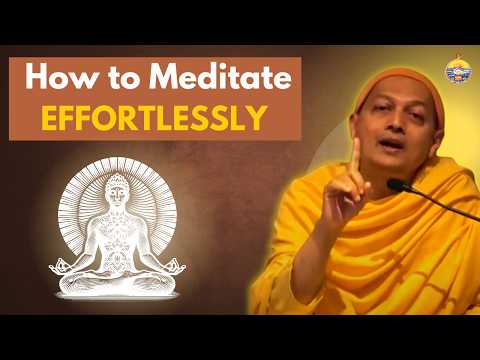
Swami Vivekananda. You might’ve heard of him, right? An incredible guy who blended Eastern and Western philosophies. He had some pretty deep thoughts about meditation.
Este blog ofrece contenido únicamente con fines informativos, educativos y de reflexión. La información publicada no constituye consejo médico, psicológico ni psiquiátrico, y no sustituye la evaluación, el diagnóstico, el tratamiento ni la orientación individual de un profesional debidamente acreditado. Si crees que puedes estar atravesando un problema psicológico o de salud, consulta cuanto antes con un profesional certificado antes de tomar cualquier decisión importante sobre tu bienestar. No te automediques ni inicies, suspendas o modifiques medicamentos, terapias o tratamientos por tu cuenta. Aunque intentamos que la información sea útil y precisa, no garantizamos que esté completa, actualizada o que sea adecuada. El uso de este contenido es bajo tu propia responsabilidad y su lectura no crea una relación profesional, clínica ni terapéutica con el autor o con este sitio web.
Meditation isn’t just about sitting cross-legged and humming, you know? It’s a way to tap into your inner self, find some peace, and really connect with the world around you. And Vivekananda? He had his own unique take.
Imagine him sharing ideas on how to make meditation relatable for everyone. It’s like he took this ancient practice and wrapped it in a cozy blanket for us all to enjoy. No lofty language or mystical vibes—just real talk about improving yourself.
So, if you’re curious about finding more calm in the chaos of life, or just want to see what Vivekananda had to say, stick around! His approach might just inspire you to meditate in ways you never thought possible.
Comprehensive Guide to Ancient Meditation Techniques: Downloadable PDF Resource
It seems you’re curious about ancient meditation techniques, especially Swami Vivekananda’s approach. Meditation has been a part of our tradition for thousands of years, and modern science is only just scratching the surface of its benefits. So, let’s break it down, shall we?
Swami Vivekananda was a key figure in introducing meditation to the West. He believed that **meditation** could help individuals connect with their inner selves and achieve a higher state of consciousness. His methods were simple yet profound. He emphasized that meditation isn’t just sitting quietly; it’s about focusing your mind and embracing stillness.
- Understanding the Mind: Vivekananda taught that our thoughts are like waves on the ocean, constantly moving. To meditate effectively, you need to calm those waves.
- Posture Matters: Finding a comfortable position is crucial. Whether it’s sitting cross-legged or on a chair, your body should be relaxed yet alert.
- Breath Control: Controlled breathing helps center your mind. He often recommended focusing on your breath as a way to anchor your thoughts.
- Visualization: Picture yourself in a peaceful place or visualize light filling your body. This technique can deepen your meditation experience.
You might be wondering why it’s interesting? Well, I remember when I first tried meditating; I found it hard at first! My mind raced with all sorts of thoughts—what’s for dinner? Did I forget to reply to that email? But gradually, after practicing regularly, those thoughts became like clouds passing by rather than storms.
Vivekananda also stressed the importance of **devotion** in meditation. It’s not just about quieting your mind; it’s about connecting with something bigger than yourself. Whether that’s nature or a higher power is up to you!
Another cool aspect is his idea of **self-awareness** during meditation. It was all about reflecting on who you are and what you desire from life. It provides incredible insights and clarity.
So if you’re thinking about dipping into these ancient techniques, remember: it takes practice and patience! Don’t rush yourself; it’s not like level one in a video game where you quickly master skills. Instead, it’s more like leveling up slowly through experience.
One last thing—the practices promoted by Vivekananda don’t replace professional help if you’re dealing with deeper psychological issues; they can complement other forms of well-being but aren’t substitutes for therapy.
In essence, Swami Vivekananda’s approach is both accessible and profound: it encourages inner peace through awareness, focus on breath, and appreciation of stillness. Each bit builds on itself over time—a journey rather than a finish line!
So are you ready to give these ancient techniques a shot? You might find they open doors to peace you’ve never known before!
Essential Guide to Spiritual Meditation: Downloadable PDF Resource for Personal Growth
Spiritual meditation has been a part of various cultures for centuries. One influential figure in this realm is Swami Vivekananda, who brought the ideas of meditation and spirituality from India to the West. His approach focused on personal growth, self-awareness, and the power of the mind. So, let’s break down what you need to know about spiritual meditation through Vivekananda’s lens and how it can contribute to your journey.
Vivekananda believed that meditation isn’t just about sitting quietly with your eyes closed. It’s about connecting with your true self. He emphasized concentration—the ability to focus your mind on a single point. You know how in video games when you’ve got to concentrate on one enemy or task to win? That’s similar! Meditation requires that same level of focus.
Here are some key principles from Swami Vivekananda’s teachings:
- Self-Realization: Meditation helps you discover who you really are beyond societal roles and expectations.
- Introspection: It encourages looking within yourself to understand your thoughts and feelings.
- A Balance of Mind: A calm mind leads to better decision-making and emotional stability.
- Universal Love: Meditation fosters compassion towards yourself and others, breaking down boundaries.
One interesting anecdote: when I first tried meditating, I was overwhelmed by my racing thoughts—like trying to juggle while riding a unicycle! But as I practiced focusing on my breath, things began to shift. Slowly but surely, I found more peace within me. This is exactly the kind of transformation Vivekananda spoke about.
Vivekananda also discussed different types of meditation practices:
- Raja Yoga: This is a meditative approach that combines physical postures with mental discipline.
- Bhakti Yoga: This focuses on devotion and love towards a higher power or universal energy.
- Karma Yoga: Here, actions are performed selflessly, which can be meditative in itself!
There’s something essential in understanding that spiritual meditation can lead to profound changes in your life. It isn’t just a trendy thing; it’s rooted deeply in a quest for meaning.
But while exploring this path can be incredibly rewarding, it’s important to note that spiritual meditation doesn’t replace professional help if you’re facing mental health challenges. It complements other healing methods rather than substitutes them.
Remember that every person’s journey is unique. Some days will feel natural and easy; others might be tough—just like leveling up in any game! And that’s totally okay.
So if you’re curious about incorporating spiritual meditation into your routine or want deeper insights into Swami Vivekananda’s philosophies, consider journaling your experiences or even seeking out local classes or online resources.
In essence, spiritual meditation promotes personal growth through self-discovery and an enhanced sense of connection with yourself and the world around you. It’s not just about finding quiet time; it’s about transformational experiences that shapes who you are!
And hey, since we’re talking about personal growth here: take it slow! Like building up skills in a game level by level—you’ll find what works best for you through practice over time.
Swami Vivekananda was such an interesting figure, you know? He had this way of blending ancient wisdom with a fresh perspective that resonates even today. When it comes to meditation practices, he really opened up new doors for people, making it accessible and relatable.
So, picture this: you’re sitting in a park, surrounded by the hustle and bustle of life. Kids are laughing, people are jogging, and maybe someone’s walking their dog. It can feel overwhelming, right? Now imagine Vivekananda stepping in with his calm demeanor, encouraging you to find that stillness within yourself—even amid the chaos. His approach wasn’t about sitting cross-legged for hours on end; it was more about finding moments of peace wherever you could.
He emphasized that meditation is not just some mystical experience hidden away in a cave somewhere. It’s really about connecting with your true self. He believed anyone could engage with this practice—regardless of background or beliefs. That’s something I find incredibly empowering!
Vivekananda also talked about the importance of concentration. Like, think about how often we get distracted nowadays—our phones buzz constantly, right? He taught that focusing your mind is like training a puppy; at first it might be all over the place, but with patience and practice, you can guide it to lie down quietly. This idea can be so relatable when you’re trying to meditate on your own.
There was this time I sat down to meditate but found my thoughts racing like they were competing in the Olympics! I remembered Vivekananda’s advice to gently redirect my thoughts back each time they strayed. It felt almost comforting to know that struggles in meditation are completely normal!
He also introduced the concept of universal love—meditating not just for yourself but for everyone around you. It’s like sending out good vibes into the universe instead of just tuning into your own little bubble. That openness can help shift perspectives and create connections with others.
Overall, Swami Vivekananda’s approach encourages us to embrace meditation as a daily practice rather than a daunting task reserved only for yogis or monks living on mountaintops. So next time life feels chaotic or you’re struggling to find focus amidst distractions—a little bit of his wisdom might just guide you back home to yourself!