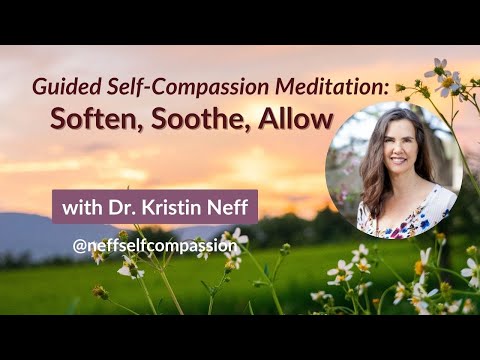
Hey, you! So, let’s chat about something that can really change the way we talk to ourselves. You know that inner voice? The one that’s sometimes a total critic? Yeah, that one.
Este blog ofrece contenido únicamente con fines informativos, educativos y de reflexión. La información publicada no constituye consejo médico, psicológico ni psiquiátrico, y no sustituye la evaluación, el diagnóstico, el tratamiento ni la orientación individual de un profesional debidamente acreditado. Si crees que puedes estar atravesando un problema psicológico o de salud, consulta cuanto antes con un profesional certificado antes de tomar cualquier decisión importante sobre tu bienestar. No te automediques ni inicies, suspendas o modifiques medicamentos, terapias o tratamientos por tu cuenta. Aunque intentamos que la información sea útil y precisa, no garantizamos que esté completa, actualizada o que sea adecuada. El uso de este contenido es bajo tu propia responsabilidad y su lectura no crea una relación profesional, clínica ni terapéutica con el autor o con este sitio web.
Well, self-compassion is like giving it a warm hug instead of a kick in the gut. It’s all about treating yourself with kindness when things go south. Trust me, it’s a game changer.
Kristin Neff has this awesome way of showing you how to do it through meditation. Seriously, don’t roll your eyes just yet! It’s not all woo-woo or something complicated.
Imagine taking a breather and just being kind to yourself for once. Sounds nice, right? So, stick around while we dive into practical ways to bring some of that sweet self-love into your life!
Self-Compassion Meditation Script by Kristin Neff: A Guide to Practicing Self-Kindness
Self-compassion is all about treating yourself with the same kindness you’d offer to a friend. Kristin Neff, a pioneer in this field, has crafted a meditation script that helps make this practice more accessible. Let’s break it down in a way that’s easy to understand.
First off, what’s self-compassion? It’s basically recognizing that being human means we mess up sometimes. Neff defines it through three main components:
- Self-kindness: Instead of harsh judgment, you treat yourself kindly.
- Common humanity: You realize that everybody goes through tough times. You’re not alone.
- Mindfulness: You’re aware of your thoughts and feelings but don’t let them overwhelm you.
Now, let’s look at how you can practice self-compassion through meditation. You don’t need to be a Zen master here; just follow along.
Start by finding a comfortable seat. You could be in your favorite chair or even on the floor, whatever feels right. Close your eyes gently or keep them softly focused on the ground in front of you.
Take some deep breaths. Inhale deeply… and exhale slowly. **Feel your body relax** as you breathe out. With every breath, imagine letting go of tension and stress.
Next, think of a situation that’s bothering you right now—maybe it was an embarrassing moment at work or not living up to your own expectations during a game night with friends (yes! we all have those). Focus on how this situation makes you feel.
Now comes the cool part: instead of burying those feelings or beating yourself up about them, remind yourself:
- You are human; everyone makes mistakes.
- This feeling is something many people have felt before.
- You’re not alone in this; it’s part of being alive.
After acknowledging these feelings, say to yourself: “May I be kind to myself in this moment.” Repeat it slowly and let it sink in.
As you sit with these thoughts, bring in some *mindfulness*. Notice any discomfort without trying to change it—like how Mario feels when he loses his last life in a game—just observe without judgment.
After spending some time with these feelings and affirmations (try around five minutes), shift back into breathing deeply again. Fill yourself with compassion like you’re inhaling warm sunlight and exhaling cool shadows.
When you’re ready, open your eyes gently and take stock of how you’re feeling now versus when you started. Have things changed? Maybe just slightly? Or maybe it’s more significant than that?
This meditation practice doesn’t replace professional help if you’re struggling deeply—it’s more like **a supportive buddy** cheering from the sidelines as you work through stuff with someone who can really help.
Using Neff’s guidance can make self-kindness part of your daily routine—think of it as leveling up in the game called life! When challenges come knocking (and oh boy do they!), you’ll be better prepared to face them with grace instead of guilt. So give it a go!
Self-Compassion Meditation Script PDF: A Practical Guide for Mindfulness and Emotional Well-Being
Self-compassion meditation is all about treating yourself with the same kindness you’d offer a good friend. Imagine you’re having a tough day—maybe you messed up at work or faced rejection. Instead of beating yourself up, what if you just took a moment to breathe and acknowledge your feelings? That’s where self-compassion comes in.
Kristin Neff’s approach emphasizes three main components: mindfulness, common humanity, and self-kindness. Each part helps create a nurturing space for your emotions. So, let’s explore this idea!
Mindfulness is just being aware of your thoughts and feelings without judgment. Picture this: you’re playing a video game, and you lose a level. Instead of screaming at the screen or blaming yourself, take a step back. Recognize that it’s part of playing the game! You can apply this to life too.
Common humanity reminds you that everyone struggles sometimes. When you realize you’re not alone in your experiences, it can lighten that heavy feeling in your heart. Think about how people cheer for each other during difficult challenges like marathons—everyone has their battles, right?
Self-kindness is the warm hug you give yourself when things go wrong. Instead of harsh criticism, try embracing gentleness. If you’ve ever seen someone fall in a game and laugh it off instead of getting upset—that’s self-kindness in action!
Here are some ways to incorporate self-compassion meditation into your routine:
- Set aside time: Just five to ten minutes daily can make a difference.
- Create a comfortable space: Find a quiet spot where you can relax.
- Breathe deeply: Focus on your breath to center yourself.
- Acknowledge feelings: Recognize what’s happening inside without trying to change it.
- Soothe yourself: Use kind words; tell yourself it’s okay to feel like this.
Meditation may feel tricky initially—don’t get discouraged! Like learning any new skill, practice makes perfect. And remember, if you’re really struggling with emotional issues, reaching out for professional help is always important.
Well, that’s a bit about self-compassion meditation! It may seem simple but can drastically change how you view life’s ups and downs. By embracing mindfulness practices like these with an open heart, you’re opening doors for emotional well-being—and that’s something worth celebrating!
Download Free PDF of Kristin Neff’s Self-Compassion: A Psychological Guide
Self-compassion is all about treating yourself with kindness and understanding, especially when things get tough. Kristin Neff, a pioneer in the field, has created some fantastic resources to help you tap into this powerful practice. One of her main focuses is on self-compassion meditation, which can guide you in developing a more nurturing approach towards yourself.
When you’re feeling down or facing difficulties, it’s super easy to be your own harshest critic. Think of it like a video game where every mistake leads to a game over. Instead of resetting and trying again, you end up stuck in negative thoughts. With self-compassion, however, it’s like gaining an extra life! You refill your health by acknowledging your feelings without judgment.
Here are some key points about Neff’s approach:
- Mindfulness: This is the first step. You want to recognize when you’re struggling without suppressing those feelings.
- Common Humanity: Realizing that suffering is part of being human helps us feel less isolated. Everyone messes up sometimes!
- Self-Kindness: Treat yourself as you would treat a good friend. Would you berate them for making mistakes? Probably not!
Neff’s book offers practical exercises that encourage you to harness these principles through guided meditations and reflections. One exercise I love involves placing your hand on your heart and repeating compassionate phrases, almost like giving your inner child a hug!
But hey, let’s be real—self-compassion isn’t always easy. There might be days when it feels foreign or even uncomfortable. You might think, «Am I really deserving of kindness?» It’s normal! Just remember that showing compassion towards yourself isn’t selfish; it’s essential for growth.
If you’re interested in exploring Neff’s work more deeply but can’t afford the book right now, searching for free PDFs online might be tempting (but always check if the materials are legally available). There are also lots of videos of her self-compassion meditations out there; give them a shot!
And remember: while self-compassion can be an incredible tool for better mental health, it’s not meant to replace professional help if you’re struggling with deeper issues or mental illness. Think of self-compassion as one piece of a bigger puzzle that’s all about feeling whole and okay with yourself.
So give yourself permission to be kind—remember that everyone slips up sometimes. You’re not alone in this game called life!
You know, it’s funny how we often treat ourselves with less kindness than we’d show a friend. I mean, seriously—if your buddy was having a tough day, you’d probably tell them it’s okay to mess up and that they’re doing their best, right? But when it comes to us? Oof. That inner critic really knows how to ruin a day!
That’s where self-compassion meditation comes in, and honestly, Kristin Neff is kind of a rock star in this area. She breaks it down into something that feels really doable. It’s not about ignoring your pain or being all sunshine and rainbows when you’re struggling; it’s about acknowledging those feelings without judgment. Like, if you’re feeling sad or frustrated, instead of spiraling into a whirlwind of self-blame—thinking things like “I shouldn’t feel this way” or “I always mess everything up”—you give yourself permission to just *be*. I mean, isn’t that such a relief?
I tried it once after a particularly challenging week at work. You know the kind where everything seems to go wrong? It was like my mind was throwing a tantrum filled with harsh words about my performance. So I sat down and focused on my breath for just a few minutes while repeating gentle phrases like “It’s okay to be imperfect” and “I’m doing the best I can.” At first, I felt silly—and maybe even resisted it—but slowly, something clicked. It was kind of like giving myself a warm hug from the inside out.
Self-compassion meditation is like training your brain to be your own cheerleader instead of that grumpy critic who throws shade whenever you stumble. Oh! And it’s cool because you can do it anywhere! A quick session in the morning or wind down at night could change how you feel about yourself on the daily.
Sure, some days are going to be harder than others, but rather than letting those moments define us, this practice encourages us to acknowledge our struggles while reminding us we’re not alone in our experiences. There are so many people out there feeling just as lost or imperfect.
So if you’re ever in doubt or feeling rough on yourself—try giving yourself the compassion you’d offer someone else. You might find it transforms not just how you see yourself but also how you connect with others around you!