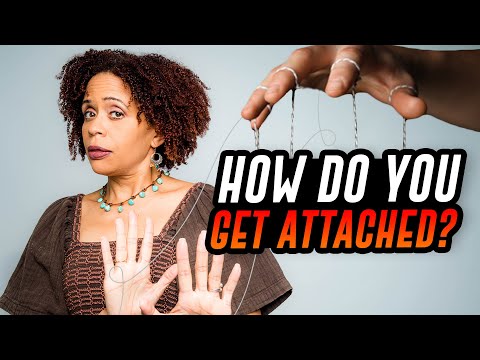
You know that feeling when you can’t stop checking your phone for texts? Like, you just gotta know if they’re thinking about you too?
Este blog ofrece contenido únicamente con fines informativos, educativos y de reflexión. La información publicada no constituye consejo médico, psicológico ni psiquiátrico, y no sustituye la evaluación, el diagnóstico, el tratamiento ni la orientación individual de un profesional debidamente acreditado. Si crees que puedes estar atravesando un problema psicológico o de salud, consulta cuanto antes con un profesional certificado antes de tomar cualquier decisión importante sobre tu bienestar. No te automediques ni inicies, suspendas o modifiques medicamentos, terapias o tratamientos por tu cuenta. Aunque intentamos que la información sea útil y precisa, no garantizamos que esté completa, actualizada o que sea adecuada. El uso de este contenido es bajo tu propia responsabilidad y su lectura no crea una relación profesional, clínica ni terapéutica con el autor o con este sitio web.
Yeah, that can be a sign of unhealthy attachment. It sneaks up on us, doesn’t it?
Sometimes, we get so wrapped up in someone that we forget about our own needs. It’s easy to lose yourself in a relationship. And trust me, I’ve been there.
But it doesn’t have to be this way! There are some signs to look out for and consequences that might surprise you. So let’s just chat about it—because knowing this stuff can totally help you or someone you care about.
Understanding Unhealthy Attachment in Relationships: Key Signs and Effects
Alright, let’s chat about something that can really mess with your relationships: unhealthy attachment. You know, it’s one of those things that sneaks up on you and can turn love into a rollercoaster ride—one filled with ups and downs, twists and turns that leave you feeling dizzy.
So, what exactly is unhealthy attachment? It’s when your emotional bond with someone becomes too strong or too dependent. Imagine playing a game where you’re so focused on winning that you forget to enjoy it. That’s how it feels when attachment gets skewed. You end up clinging to your partner for validation or happiness instead of just being there together.
Here are some key signs of **unhealthy attachment**:
- Jealousy: If you find yourself feeling envious over small things—like who they’re texting—you might be in deep waters.
- Fear of abandonment: Do you freak out at the idea of them leaving? It’s like playing hide-and-seek but never wanting to be found!
- Lack of trust: Always questioning their loyalty or intentions is a major red flag. It’s like trying to solve a puzzle without all the pieces.
- Control issues: If you’re trying to manage who they hang out with or what they do, it might feel protective, but it’s not healthy.
- Difficulty being alone: Relying solely on your partner for happiness even when they’re not around? That’s a sign things may need rethinking.
So let’s break it down further!
When you’re feeling jealous all the time, it can create tension in the relationship. Instead of trust, you’re left with doubt and suspicion—totally exhausting! And fear of abandonment? It can lead you to act in ways you wouldn’t normally choose. Maybe you’ve sent an “are we okay?” text way too many times because you’re worried they’ll walk away.
Now don’t get me wrong—trust issues don’t just come from nowhere. They often stem from past experiences or trauma which makes moving forward tough! When you’re constantly watching every move they make like it’s an episode of a gripping drama series, it takes away from actually enjoying each other. You should be writing your own story together, not solving mysteries!
But here’s the kicker: these signs lead to bigger consequences in your relationship:
- Tension and conflict: The more you cling and doubt, the more arguments arise. It’s like adding fuel to a fire that shouldn’t even be burning!
- Loss of individuality: You start losing yourself in this bond instead of growing together as two whole people.
- Diminished intimacy: When there’s more fear than love, physical and emotional connections fade away
- A cycle of dependency: The more dependent you become on them for happiness, the harder it is to break free—think quicksand!
Feeling overwhelmed already? Totally get it! Just remember these feelings aren’t your fault; they happen! What matters is recognizing them before they spiral outta control.
If any part resonates with you—or if you’ve been through something similar—don’t hesitate to talk about it! Having those heart-to-heart chats makes all the difference rather than going through this alone. I mean seriously, no one needs to fight their battles solo!
In short: Relationships should feel supportive and freeing—not restrictive and anxious. So pay attention if things start feeling off because that intuition is usually spot-on. And hey, if things get heavy or tough to handle on your own? Seeking help can seriously help untangle those feelings!
Effective Strategies to Break a BPD Attachment and Foster Emotional Independence
So, let’s chat about something pretty heavy but super important: breaking unhealthy attachments, especially for those dealing with Borderline Personality Disorder (BPD). It can feel like you’re stuck in a game where the rules keep changing and no matter how hard you try, you can’t win. This emotional rollercoaster can lead to dependency on others for your self-worth. But fear not, there are strategies to help you foster emotional independence!
Recognizing Unhealthy Attachment
First things first, you gotta recognize when the attachment isn’t serving you right. Some signs might include:
- Constantly seeking validation: You find yourself needing someone else’s approval to feel okay about yourself.
- Extreme fear of abandonment: Even small separations feel like the end of the world.
- Feeling incomplete without a partner: Like a character in a video game who can’t level up until they get that magical item!
These feelings can lead to serious consequences in relationships. Picture this: you’re always on edge, waiting for your partner to validate your feelings or stick around. It drains everyone involved.
Understanding Emotional Independence
Now, emotional independence doesn’t mean cutting yourself off from others; it’s more like leveling up your character so they don’t need those power-ups all the time. It’s about relying on yourself for love and validation instead of putting that pressure on someone else.
So how do we break these patterns? Here are some strategies:
- Create Healthy Boundaries: Boundaries are crucial, gotta keep that space healthy! Start with small ones—like saying “no” when you need some time alone without feeling guilty.
- Practice Self-Compassion: Be kind to yourself! When negative thoughts come creeping in like a sneaky enemy in a stealth game, remind yourself that everyone struggles sometimes.
- Diversify Your Relationships: Surround yourself with different types of friends or family members who support you in various ways. Think of it as building a team with unique skills! Each one brings something special to your life.
Anecdote Time
A friend of mine once felt completely lost after her breakup. She used to rely heavily on her ex for emotional support—she was like a player who didn’t know how to play solo. After some tough self-reflection and chatting with someone she trusted (not a therapist just yet), she took small steps toward finding joy outside that relationship—hiking solo, trying new hobbies, even exploring her own city! Over time she realized she didn’t need someone else’s approval; her adventures filled her heart.
You Are Not Alone!
Remember it’s okay to seek professional help if things get too overwhelming. A therapist can help guide this tricky journey towards emotional independence and healthier attachments.
There’s no one-size-fits-all solution here—what works for one person might not work for another—but taking conscious steps helps shift the balance from reliance on others back towards yourself!
The bottom line? Breaking free from unhealthy attachments takes time and patience. But each step you take can be empowering! Grab your controller and start playing at being the hero in your story—you’ve got this!
Recognizing Unhealthy Attachment Signs and Their Impact on Adult Relationships
When we talk about attachment, we’re diving into some pretty deep waters. You know, how you connect with others can shape not just your friendships, but your romantic relationships too. Unhealthy attachment styles can sneak into our lives like a ninja and mess things up without us even realizing it. So, let’s break down some signs of unhealthy attachment and what they might mean for your adult relationships.
What Are Unhealthy Attachment Styles?
Attachment styles come from the bonds you formed in childhood with your caregivers. If things were shaky back then, you might develop an unhealthy attachment style, which can make it tricky to connect with others as an adult. It’s like trying to play a multiplayer game where you keep losing connection; frustrating, right?
Signs of Unhealthy Attachment
- Excessive Neediness: Do you feel like you constantly need your partner’s attention? Like if they don’t text back right away, a wave of panic washes over you? That could be a sign.
- Fear of Abandonment: If the thought of your partner leaving sends you spiraling into anxiety, that’s a big red flag. You might even start to cling or act out in ways that push them away!
- Lack of Trust: Trust issues can manifest as jealousy or suspicion without any proof. Imagine always thinking someone is playing a prank on you when they’re just busy leveling up their own life.
- Difficulties Setting Boundaries: Healthy relationships have boundaries—like not trying to control what your partner does after work. If you’re constantly overstepping those lines, it’s time for a reality check.
The Impact on Adult Relationships
Bots and glitches in games happen when coding goes wrong; similarly, unhealthy attachments can create chaos in love lives. They could lead to cycles of drama, heartbreak, or conflicts that seem never-ending.
- Cycles of Conflict: When both partners are caught in their unhealthy patterns, it’s like being stuck in an endless loop—the more you try to escape it, the more tangled up you get!
- Difficulties with Intimacy: If you’re so scared of getting hurt that you build walls or retreat into your shell—that closeness becomes hard to reach.
- Low Self-Esteem: An unhealthy attachment often feeds self-doubt and makes it tough to feel good about yourself or the relationship itself.
You know what? Recognizing these signs is the first step towards breaking free from this cycle! It can feel overwhelming—kind of like playing against the final boss when you’re under-leveled—but awareness gives you power over those feelings.
A Final Thought
If you’re feeling stuck in any of this or find yourself relating too much to these signs, reaching out for help is super important! Talking to a therapist can help clarify things and pave new paths toward healthier connections. Just remember: recognizing unhealthy attachments isn’t about blaming anyone; it’s all about growing and learning together! Okay?
Your relationships deserve care and love—so take steps toward making them better every day!
You know when you’re in a relationship, and it feels like you can’t live without the other person? Yeah, it’s sweet at first—like, «Wow, we’re so connected!» But sometimes that connection isn’t all roses. Let’s chat about unhealthy attachment. It’s one of those things that can sneak up on you.
Imagine you’ve got this friend, Sarah. She used to be super independent, always going off on adventures by herself. But then she fell for Jake. At first, everything was great! But soon enough, Jake was her entire world. She stopped hanging out with her friends, canceled plans just to be with him, and wouldn’t make any moves without asking him first. It was like she’d become someone else entirely.
So what are the signs of unhealthy attachment? Well, if you find yourself constantly worried about how your partner feels or constantly needing their approval for everything—yeah, that’s a big red flag! Another sign is feeling anxious when they’re not around or getting upset over small things because they seem bigger than they actually are.
And here’s where it gets a bit deeper: these unhealthy attachments can lead to some serious consequences. There’s this thing called «codependency,» which basically means you might rely on your partner for your happiness or self-worth. Sounds familiar? That can totally drain both people involved. You end up losing bits of yourself while trying to please them.
Let’s take Sarah again—she started feeling anxious whenever Jake wasn’t around. Sometimes she’d check his messages without asking just to feel reassured he still cared about her. And honestly? This caused jealousy and arguments between them because he felt suffocated by it all.
In the end, unhealthy attachment can be really tricky to navigate but there is hope! Recognizing these patterns is step one toward building healthier relationships where both people feel free and supported without losing themselves in each other. So if you’re feeling trapped in a relationship like Sarah did or see yourself in any of those signs we talked about—maybe take a step back and reflect on what healthy love looks like for you! It’s all about balance—you know?