Hey there! So, you know how life can sometimes feel like a giant rollercoaster? Ups, downs, and all those crazy loops in between. Well, that’s where mindfulness and self-compassion come into play.
Este blog ofrece contenido únicamente con fines informativos, educativos y de reflexión. La información publicada no constituye consejo médico, psicológico ni psiquiátrico, y no sustituye la evaluación, el diagnóstico, el tratamiento ni la orientación individual de un profesional debidamente acreditado. Si crees que puedes estar atravesando un problema psicológico o de salud, consulta cuanto antes con un profesional certificado antes de tomar cualquier decisión importante sobre tu bienestar. No te automediques ni inicies, suspendas o modifiques medicamentos, terapias o tratamientos por tu cuenta. Aunque intentamos que la información sea útil y precisa, no garantizamos que esté completa, actualizada o que sea adecuada. El uso de este contenido es bajo tu propia responsabilidad y su lectura no crea una relación profesional, clínica ni terapéutica con el autor o con este sitio web.
Imagine giving yourself a big ol’ hug when things get tough. Seriously! It’s about treating yourself the way you’d treat a good friend. You wouldn’t be harsh on them, right?
This workbook is like your personal guide to finding that gentle voice inside you. It helps you navigate through those rough patches with kindness and understanding.
You’ll discover some cool tools to help you grow, feel better, and embrace who you really are—flaws and all! Ready to explore what it means to be kind to yourself? Let’s jump in together!
Understanding the Three Steps of Kristin Neff’s Self-Compassion Framework
Kristin Neff’s self-compassion framework is like a cozy blanket for your soul. It’s three main steps help you be kinder to yourself during tough times. I mean, who doesn’t need a little TLC now and then? This isn’t about saying “everything’s fine” when it’s not but rather recognizing that we all have struggles. You know how sometimes you just want to give yourself a hug? That’s basically what self-compassion is all about.
First up, we have mindfulness. This means being aware of your feelings without judgment. Think of it as watching your thoughts float by like clouds in the sky instead of getting stuck in them. For example, when you’re feeling down because you messed up at work, rather than ruminating on those feelings, just acknowledge them: “Okay, I feel bad about this.” It sounds simple, right? But it can be powerful!
Next, there’s common humanity. This part reminds us that we’re not alone in our struggles. Everyone messes up or faces challenges – seriously! Picture playing a team game with friends; sometimes you score big and other times you miss the goal altogether. But you know what? Everyone’s been there! When you’re feeling like an outsider because of your mistakes or hardships, remember that we all share this messy human experience.
Finally, let’s talk about self-kindness. This is where the real magic happens! It encourages you to treat yourself with the same kindness you’d offer a friend who was going through a rough patch. Instead of beating yourself up for not meeting expectations—or maybe even flunking that final exam—try saying something supportive: “It’s okay; I’m doing my best.” Give yourself grace! After all, would you ever tell your best bud they’re worthless? Probably not!
So here’s a quick recap:
- Mindfulness: Acknowledge your feelings without judgment.
- Common Humanity: Remember that everyone faces challenges.
- Self-Kindness: Treat yourself as you would treat a friend.
These three steps are essential for creating a more compassionate relationship with yourself—one that allows for growth and learning from experiences instead of getting stuck in negativity. And hey, while this framework can be super helpful for personal growth, it’s important to remember that if you’re dealing with deeper issues or mental health problems, reaching out to a professional is always a smart move.
So go ahead and give self-compassion a try—you might just find it adds some sunshine to those cloudy days!
Exploring Kristin Neff’s Relationship with Buddhism: Insights and Perspectives
Kristin Neff has become a well-known name in the realm of psychology, especially when it comes to the concept of self-compassion. Her work beautifully intertwines with the principles of Buddhism, which is all about compassion and mindfulness. So let’s break down how Neff’s teachings resonate with Buddhist ideas and what that means for personal growth.
Neff often speaks about self-compassion as being made up of three components: self-kindness, common humanity, and mindfulness. These concepts align closely with Buddhist teachings. For example:
- Self-kindness: Instead of beating yourself up for failures or mistakes—come on, we’re all human!—you treat yourself like you would treat a friend who is struggling.
- Common humanity: Recognizing that suffering is part of life can free you from feeling alone in your struggles. It’s not just you, everyone experiences hard times.
- Mindfulness: This means being present with your thoughts and feelings without judgment. Rather than ignoring pain or obsessing over it, you acknowledge it kindly.
Think about a time you tried really hard at something—maybe a game where the stakes felt high. When you lost, did you think “I’m such a loser”? Or did you remind yourself that everyone loses sometimes? That’s basically Neff’s philosophy in action!
Now, let’s chat about how this all ties back to Buddhism. Neff draws heavily from Buddhist practices which focus on mindfulness and compassion toward oneself and others. In Buddhism, they say that true happiness comes from understanding suffering—not just your own but everyone else’s too.
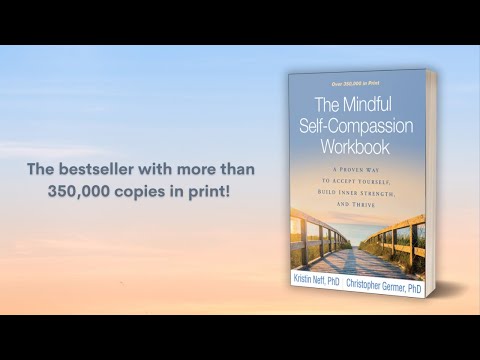
In her workbook titled “The Mindful Self-Compassion Workbook for Personal Growth,” Neff provides exercises inspired by these principles to help people cultivate self-compassion in their daily lives. This isn’t just about feeling better; it’s about growing as a person by acknowledging imperfections without judgment.
For instance, one activity might ask you to write a letter to yourself during tough times using compassionate language—as if you’re comforting a friend. You’d be amazed at how differently we talk to ourselves!
But remember, this doesn’t replace professional help if you’re really struggling. It’s like having tools in your backpack for when the going gets tough; they help lighten the load but are not substitutes for deeper care when needed.
In summary, Kristin Neff’s work tells us so much about blending modern psychology with ancient wisdom from Buddhism. It encourages us to be kinder to ourselves and recognize our shared experiences as humans while also practicing mindfulness—a powerful recipe for growth! Just imagine carrying that kindness and awareness throughout your day; it could change everything!
Understanding Kristin Neff’s Theory of Self-Compassion: Key Concepts and Applications
Kristin Neff’s theory of self-compassion is honestly like a warm hug for your soul. It’s about treating yourself with the same kindness you’d offer a friend when life gets tough. Instead of beating yourself up over mistakes, you recognize that it’s part of being human. Let’s break down the main concepts, so you can see how it all connects to your everyday life.
Self-Kindness
This part is all about being gentle with yourself. Imagine you’ve just bombed a presentation. You might think, “Ugh, I’m such a failure.” But wait! Instead, try telling yourself, “It’s okay to mess up sometimes.” Self-kindness means approaching your flaws and failures with warmth rather than judgment.
Common Humanity
Ever felt alone in your struggles? This concept reminds us that suffering and personal inadequacy are part of the shared human experience. When you’re feeling down, remember: everyone messes up. Picture this like a big multiplayer game where everyone has their own set of challenges. Just like in those games, we’re all playing together and facing our battles!
Mindfulness
This isn’t just about sitting cross-legged and humming; it’s about being aware of your thoughts without getting swept away by them. You notice when negative thoughts creep in but don’t let them control you. For example, if you’re feeling anxious before an exam, take a beat to acknowledge those feelings without spiraling into panic.
So how can we apply these ideas in our daily lives? Here are some ways:
- Practice Self-Talk: Catch those harsh words you use when you mess up and flip ‘em on their head.
- Share Your Feelings: Talk to friends or family about what you’re going through. It feels good to know others relate!
- Meditation: Even if it’s just five minutes of focused breathing each day—you’ll be amazed at how much clarity it brings.
- Create Affirmations: Write out kind phrases that resonate with you and place them where you’ll see them every day.
One time, I was really stressed out before an important event—like forgetting my lines during an improv show! A friend reminded me that everyone stumbles sometimes; even the pros screw it up occasionally! And yeah, I got through it and laughed at myself later.
In this journey towards self-compassion, remember: it’s totally okay to seek professional help if you’re feeling overwhelmed or struggling deeply. Self-compassion isn’t meant to replace therapy—it complements it beautifully.
So there you have it! Neff’s approach isn’t just some fluffy idea; it’s practical stuff that can genuinely improve how we treat ourselves on a daily basis—and honestly, who doesn’t want that? You know? It’s like leveling up in your own personal game of life!
You know, the whole idea of self-compassion is really fascinating. I mean, we’re often our own worst critics, right? When I first heard about “The Mindful Self-Compassion Workbook,” I thought it was just another self-help book. But honestly, it’s more like a gentle push to treat yourself as you would a friend.
So there’s this story I want to share. A while back, I had a particularly rough week where everything just seemed off. Work was stressful, and my little mishaps felt like giant failures. One evening, I flopped onto my couch like a deflated balloon and scrolled through social media—classic move, huh? But then something clicked in me. Why was I beating myself up?
That’s when the idea of self-compassion popped into my mind—and boy did it change the game! It made me realize that instead of sulking over these tiny “failures,” what if I treated myself with kindness instead?
That workbook talks about being present with your feelings and acknowledging them without judgment—it’s super refreshing! Instead of saying things like “I can’t believe you messed up again,” you might say something softer like “Hey, everyone makes mistakes.” That shift can be so powerful.
You know what’s cool? The exercises help you practice this approach daily. They encourage you to check in with yourself regularly, almost like having a heart-to-heart chat with your own mind! Imagine giving yourself permission to breathe deeply and accept where you are in life without shame or fear—seriously empowering!
But here’s the thing: It’s not about ignoring your flaws or pretending everything’s peachy keen all the time. It’s more about embracing those imperfections as part of being human. Who doesn’t trip up now and then?
In short, if you’re looking for ways to ease that inner critic and foster personal growth, that workbook could be worth checking out! It might just be the nudge you need toward treating yourself with the same care you’d offer someone else who is feeling down.
So yeah, try it out if you’re curious! You never know how much compassion can transform those little bumps in your journey into stepping stones for growth!