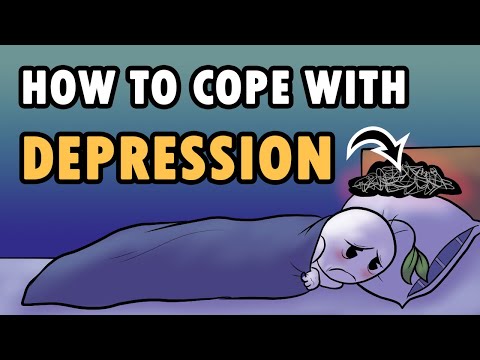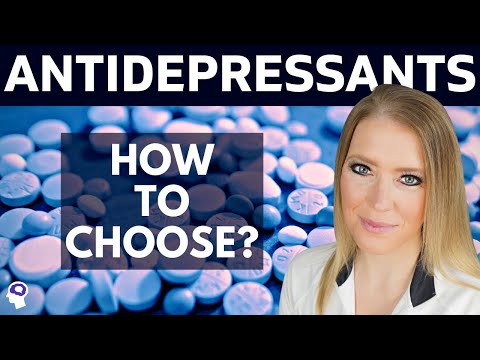
Hey there! So, let’s chat about something super important – mental health. You know, life can throw some pretty heavy stuff at us, and sometimes it feels like it’s too much to handle.
Este blog ofrece contenido únicamente con fines informativos, educativos y de reflexión. La información publicada no constituye consejo médico, psicológico ni psiquiátrico, y no sustituye la evaluación, el diagnóstico, el tratamiento ni la orientación individual de un profesional debidamente acreditado. Si crees que puedes estar atravesando un problema psicológico o de salud, consulta cuanto antes con un profesional certificado antes de tomar cualquier decisión importante sobre tu bienestar. No te automediques ni inicies, suspendas o modifiques medicamentos, terapias o tratamientos por tu cuenta. Aunque intentamos que la información sea útil y precisa, no garantizamos que esté completa, actualizada o que sea adecuada. El uso de este contenido es bajo tu propia responsabilidad y su lectura no crea una relación profesional, clínica ni terapéutica con el autor o con este sitio web.
If you’ve ever felt that way, you’re definitely not alone. Seriously. Many women face challenges like anxiety and depression. It can be tough figuring out what to do about it.
Now, antidepressants are just one of those options you might hear about. They can really help some people feel a bit better, but there’s a ton of info out there that makes it confusing.
That’s why I wanted to break things down for you – in a way that’s easy to get! We’ll look at some of the top antidepressants for women and how they might fit your needs. So, grab your favorite drink, get comfy, and let’s dive in!
The Most Popular Antidepressant for Women: A Comprehensive Overview
The most popular antidepressants for women tend to fall into a few categories, with many women trying them out at some point in their lives. You know how life can get heavy sometimes? Antidepressants can help lighten that load, but each medication works differently and affects everyone uniquely. Let’s break it down a bit.
Selective Serotonin Reuptake Inhibitors (SSRIs) are often the go-to choice. These include medications like fluoxetine (Prozac) and sertraline (Zoloft). SSRIs mainly work by increasing serotonin levels in the brain, which can boost mood and make you feel a bit more “yourself.” You might say they’re like that trusty companion in a video game who helps level you up when things get tough.
- Fluoxetine (Prozac): This has been around for ages and is often prescribed first because it generally has fewer side effects.
- Sertraline (Zoloft): Another popular choice, especially for anxiety, which often tags along with depression.
Serotonin-Norepinephrine Reuptake Inhibitors (SNRIs) are another class to consider. Think of these as the double agents of antidepressants; they boost both serotonin and norepinephrine levels. Medications like venlafaxine (Effexor) are common here. They may be recommended if SSRIs don’t quite hit the mark.
- Venlafaxine (Effexor): It’s known for being effective but might come with some withdrawal symptoms if you stop it abruptly.
- Duloxetine (Cymbalta): Often used not just for depression but also for chronic pain, which can be a big deal for many women.
Atypical Antidepressants round out the options. They don’t fit neatly into other categories but still work wonders for some folks. One well-known example is bupropion (Wellbutrin), which can help with both mood and motivation.
- Bupropion (Wellbutrin): Good news – it’s less likely to cause weight gain compared to others!
- Mirtazapine (Remeron): Sometimes helps people sleep better too, which is great since sleep issues often accompany depression.
It’s important to highlight that while these meds can be helpful, they’re not one-size-fits-all solutions. Everyone’s experience differs due to genetics, life circumstances, or even overall health — so communication with your doctor is key!
Don’t forget about therapy! Combining medication with talking things through with a mental health professional can really amplify benefits—much like teaming up with friends in a co-op game!
In the end, if you or someone you know is considering antidepressants, chatting with a healthcare provider is vital. They’ll guide on what could work best based on personal situations and needs.
So remember: while antidepressants can shed light on dark days, they’re part of a bigger picture involving support systems, lifestyle changes, and self-care practices!
Top 5 Most Effective Antidepressants: A Comprehensive Overview
I’m really glad you’re interested in the world of antidepressants. It’s a complex topic, and understanding what’s out there can really help you, or someone you know, make informed choices. So let’s break it down, using approachable language.
First off, antidepressants are medications designed to help ease the symptoms of depression. Now, it’s essential to remember that what works for one person may not work for another. Everyone’s brain is like a unique puzzle, and these meds are just one piece.
1. SSRIs (Selective Serotonin Reuptake Inhibitors)
These are often the first choice when treating depression. They increase levels of serotonin in your brain, a chemical that helps regulate mood. Some common SSRIs include:
- Fluoxetine (Prozac)
- Citalopram (Celexa)
- Sertraline (Zoloft)
I remember talking to a friend who said Zoloft helped her see colors again after months of feeling gray. It was like turning on a light switch for her!
2. SNRIs (Serotonin-Norepinephrine Reuptake Inhibitors)
These work similarly to SSRIs but also target norepinephrine, another important neurotransmitter linked with mood and energy levels. Some examples are:
- Venlafaxine (Effexor XR)
- Duloxetine (Cymbalta)
Imagine your brain as a video game where both serotonin and norepinephrine need to be optimized for maximum fun! These meds can help level you up.
3. Atypical Antidepressants
This group doesn’t fit neatly into the others but can still be effective. Bupropion (Wellbutrin) is one of the most well-known here; it works differently by affecting dopamine levels, which can boost energy and focus.
Think about it this way: if your brain was a car engine running low on fuel, Wellbutrin could give it that extra kick to get going again.
4. Tricyclic Antidepressants
These older meds are not usually the first line of defense anymore but can still be useful for some people who haven’t found success with newer types. Examples include:
- Amitriptyline
- Nortriptyline (Pamelor)
They’re kind of like classic video game consoles—sometimes they’ve got some hidden gems that newer systems just don’t have!
5. MAOIs (Monoamine Oxidase Inhibitors)
These are also older types of antidepressants and aren’t prescribed as frequently today since they can interact with certain foods and other medications in tricky ways.
You’ve got to be careful with these guys! Imagine having to avoid certain foods just like avoiding spoilers on a game—you’ve got to play it safe!
Overall, picking an antidepressant is like choosing a character class in an RPG—it depends on your story and what skills you need right now! But—and this is super important—always consult with a healthcare professional before starting any medication because they’ll know what fits best based on your specific situation.
Remember: while antidepressants can help many people find their footing again, they’re typically most effective when combined with therapy or other supportive measures—like good ol’ self-care or talking things out with someone trusted.
So take care of yourself out there!
Top Antidepressants for Boosting Energy and Enhancing Motivation
When it comes to feeling low, sometimes it feels like a never-ending battle, doesn’t it? Antidepressants can be a helpful tool in this fight. They might not be the magic fix, but they sure can help boost energy and enhance motivation for some folks. Here’s a closer look, focusing on some common ones that have been noted for these effects.
First off, let’s talk about **SSRIs** (Selective Serotonin Reuptake Inhibitors). These are often the first line of defense because they tend to have fewer side effects. You might hear names like **Fluoxetine** (Prozac) or **Sertraline** (Zoloft). Studies have shown that these can help with both mood and motivation over time. Imagine leveling up your character in a game after completing a tough quest; that’s kind of how these meds work—gradually helping you feel more like yourself again.
Then there are **SNRIs** (Serotonin-Norepinephrine Reuptake Inhibitors), which include **Venlafaxine** (Effexor) and **Duloxetine** (Cymbalta). These are interesting because they tackle two brain chemicals: serotonin and norepinephrine. Norepinephrine is linked to energy, so for some people, SNRIs can really help kickstart that motivation engine. It’s like adding turbo boost to your favorite racing game—you get faster and more focused!
Let’s not forget about **Wellbutrin** (Bupropion). This one is often used when others don’t quite hit the mark. It’s unique because it affects dopamine levels too, something crucial for motivation. Many people report feeling more energetic on Wellbutrin—as if they’ve hit that sweet spot where everything just clicks into place.
- SSRIs: Like Fluoxetine and Sertraline—great for mood and gradual energy boost.
- SNRIs: Such as Venlafaxine and Duloxetine—help with motivation by affecting norepinephrine.
- Wellbutrin: Can improve energy levels thanks to its impact on dopamine.
But hold your horses! While antidepressants can be super helpful, they’re not a one-size-fits-all solution. What works wonders for one person may not do much for another—it’s all about finding what fits you best. Always keep an open dialogue with your healthcare provider; your journey is personal without any doubt.
It’s also important to remember that these medications usually take time before you notice changes—think about how long you play a new level in a game before mastering it! Patience is key here.
So if you’re considering antidepressants for boosting energy or enhancing motivation, just know there are options out there. Chat with someone who knows their stuff in mental health—they’re your best ally in this journey!
You know, the world of antidepressants can feel like a maze—especially when you’re trying to figure out what’s best for you or someone close to you. It’s an emotional journey for many people, and when it comes to women, there’s often this extra layer of complexity. Hormones, life stages, and societal pressures all play into how we feel and respond to medication.
I remember a friend of mine who struggled with depression during her pregnancy. It was tough for her to navigate the options available. She was weighing the potential risks of taking medication against how miserable she felt without it. That struggle is real, and it highlights just how personal this experience can be.
So let’s chat about some common types of antidepressants that are often considered. You’ve probably heard of SSRIs—these are selective serotonin reuptake inhibitors. They work by increasing serotonin levels in your brain, which helps improve mood. Think about them like turning up the volume on your favorite song; everything just feels a bit better.
Then there are SNRIs—serotonin-norepinephrine reuptake inhibitors—which are kind of like SSRIs but with an added bonus; they also amp up norepinephrine levels! Norepinephrine is linked to energy and alertness, so these meds might help if you’re feeling particularly sluggish along with your sadness.
Of course, everyone’s body reacts differently to meds, so what works wonders for one person might not do much for another. It’s a bit like trying on shoes until you find the perfect fit—uncomfortable at first but totally worth it once you find what feels right.
You might also hear about atypical antidepressants that don’t fit neatly into those categories I mentioned before. Some women find relief with these options because they target other brain chemicals besides serotonin and norepinephrine. They’re sometimes the wildcards in this game!
It’s also important not to forget therapy as part of the equation here. Medication can be super helpful but pairing it with talk therapy? Wow! That combo can really be powerful in addressing emotional struggles more holistically.
In any case, if you’re considering antidepressants or guiding someone who’s thinking about it, chatting with a healthcare professional is key—they’ll have insights tailored just for you or your friend based on individual needs and history.
At the end of the day, this is about finding what makes you feel more like yourself again—you know? And while it’s important to explore medication options available, don’t overlook the support from friends or professionals who understand what you’re going through—it can make all the difference!