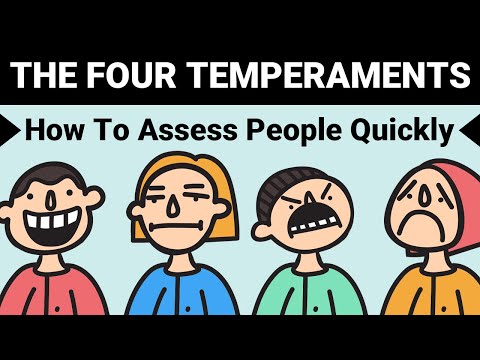
Alright, let’s talk temperament. Yeah, that vibe you get from people? It’s more than just a feeling.
Este blog ofrece contenido únicamente con fines informativos, educativos y de reflexión. La información publicada no constituye consejo médico, psicológico ni psiquiátrico, y no sustituye la evaluación, el diagnóstico, el tratamiento ni la orientación individual de un profesional debidamente acreditado. Si crees que puedes estar atravesando un problema psicológico o de salud, consulta cuanto antes con un profesional certificado antes de tomar cualquier decisión importante sobre tu bienestar. No te automediques ni inicies, suspendas o modifiques medicamentos, terapias o tratamientos por tu cuenta. Aunque intentamos que la información sea útil y precisa, no garantizamos que esté completa, actualizada o que sea adecuada. El uso de este contenido es bajo tu propia responsabilidad y su lectura no crea una relación profesional, clínica ni terapéutica con el autor o con este sitio web.
You know how some folks are just sunshine and rainbows, while others seem to navigate life like they’re stuck in a thunderstorm? That’s temperament at work!
It’s basically the mix of traits that shapes how we think, feel, and act. Crazy how it impacts everything from friendships to job choices, right?
So grab a comfy seat and let’s dive into the different kinds of temperaments. You might even discover a thing or two about yourself or your friends along the way!
Understanding the 4 Temperaments: Key Characteristics and Insights
So, you might have heard people talk about “temperaments” before. It’s like a way of understanding how people behave based on their personality traits. The idea goes way back to ancient times, but hey, it’s still totally relevant! There are four primary temperaments: **sanguine**, **choleric**, **melancholic**, and **phlegmatic**. Each one comes with its own vibe and characteristics. Let’s break this down a bit!
- Sanguine: These folks are the life of the party! They’re friendly, social, and often seen as enthusiastic. Imagine someone who’s always up for a good laugh or spontaneous adventure—yup, that’s a sanguine person for you! They tend to be optimistic and love interacting with others.
- Choleric: Now, this temperament is all about leadership. Cholerics are assertive, determined, and can sometimes come off as bossy. They want results and aren’t afraid to take charge—think of them like the strategic players in a game who always have a plan ready to go. They can be direct but also highly driven.
- Melancholic: If you know someone who’s deep-thinking or sensitive, they might just be melancholic. These folks often analyze situations and have a rich inner life; they can be perfectionists too! Picture the artistic type who pours their heart into every piece they create—they really feel things deeply.
- Phlegmatic: Last but not least, we’ve got the phlegmatics. These individuals are calm, reliable, and great at mediating conflicts. They’re often seen as peacemakers in groups because they avoid drama like it’s going out of style! Think of them as those players who support everyone else while keeping the vibes chill.
Now that you’ve got an idea of what each temperament looks like day-to-day, let’s think about how these traits can affect relationships or teamwork.
You know that moment when you’re playing a cooperative game with friends? A sanguine person might be cracking jokes while trying to boost everyone’s morale. Meanwhile, the choleric player is probably barking orders about strategies while keeping everybody focused on winning! On the flip side, melancholics could be analyzing every move before making decisions—taking their time to ensure they don’t mess anything up—and phlegmatics will likely keep things steady by mediating any conflicts that pop up.
These temperamental traits aren’t just fun facts; they can really change how we communicate or function in different settings too. Understanding these differences helps us appreciate each other more.
But hey! Remember that this isn’t just about pigeon-holing people into categories; it’s more about recognizing patterns in behavior and how we connect with each other in various ways.
If you find yourself curious or struggling with interpersonal dynamics in your life or work—well—you might want to chat with a professional who can guide you through all this complexity! This stuff is worthwhile for personal growth but engages wholeheartedly requires some introspection too.
In essence? Temperaments give us insights into our personalities and how we interact in our daily lives—like navigating through an exciting game full of different characters! So next time you notice someone acting a certain way, consider which temperament they might align with—and see if it shifts your view on them!
Understanding the 7 Temperament Traits: A Guide to Personality Insights
So, let’s talk about temperament traits. These are like the building blocks of our personalities. They shape how we interact with the world and each other. The idea here is to get a better grip on different temperaments and how they play out in our lives.
1. Sanguine
Sanguines are like the life of the party! They’re cheerful, social, and everything seems to excite them. Think about that friend who can make any situation feel fun, you know? They crave connection and thrive in social settings, sometimes leaning towards being a bit over-the-top or impractical when their enthusiasm takes over.
2. Choleric
Then there’s the choleric type, often seen as leaders or go-getters. They’re assertive, driven, and love to take charge. Imagine that person in a group project who just takes control of everything; it’s their nature! But every rose has its thorn—sometimes their intensity can come off as bossy or impatient.
3. Melancholic
Now let’s not forget about melancholics. These folks are deep thinkers and often sensitive or artistic. Picture your friend who loves poetry—yep, that’s them! They tend to reflect more on emotions than others and can sometimes seem moody or overly introspective if they get stuck in their thoughts.
4. Phlegmatic
Phlegmatics are calm and easygoing, kind of like that buddy who never seems to stress out during finals week! They’re reliable and good at mediating conflicts because they’re so laid back. But here’s the catch: they might struggle to motivate themselves when things get tough because they’re so comfortable in their chill zone.
5. Supine
Now we move onto supine personalities—they’re nurturing and seek harmony in relationships. Think about the friends who always remember your birthday or bring snacks for everyone! They’re great listeners but sometimes have trouble asserting themselves because they prioritize others’ needs first.
6. Idealist
Idealists are visionaries who dream big! If you know someone who’s always looking for ways to make the world better—whether through art, activism, or community service—that’s your idealist right there! However, they might become disillusioned when reality doesn’t match up to their lofty ideals.
7. Rational
Finally, we have rational types who prioritize logic above all else—kind of like a computer without emotions! They analyze problems methodically but may struggle with emotional connections since things like empathy can be hard for them sometimes.
All these traits mix together differently in each person; it’s not all black and white! Plus they fluctuate based on life experiences or situations you find yourself in—you might feel more choleric one day at work but more phlegmatic during a relaxing weekend.
Recognizing these temperament traits helps you understand yourself better too—like why you react certain ways under stress or why some friendships click while others don’t quite fit right!
And hey, no one trait is inherently better than another; it’s all about understanding your own mix so you can navigate life with all its ups and downs a little easier!
But remember: this isn’t professional counseling by any means; there’s a lot more nuance when it comes to personality than just seven traits! So if you’re feeling really lost—or if things get heavy—it might be good to chat with someone who knows this stuff inside-out!
Understanding the 5 Types of Temperament and Their Meanings
When we talk about temperament, we’re really delving into the unique ways people respond to the world around them. Think of it like your personal style of interacting, feeling, and thinking. There are five main types of temperament, each with its own quirks and traits. So, let’s break them down in a way that’s easy to digest!
1. Sanguine
Sanguines are the life of the party! They’re outgoing, enthusiastic, and social butterflies. Imagine someone who lights up a room as soon as they walk in – that’s a sanguine for you. They tend to be spontaneous and love to engage with others.
- Key Traits: Friendly, talkative, lively.
- Strengths: Great at making friends and being optimistic.
- Weaknesses: Can be disorganized or forgetful.
You know that friend who always has a new idea for a weekend adventure? Yep, that’s your classic sanguine showing off their fun-loving spirit!
2. Choleric
Now let’s get into cholerics. These folks are leaders through and through! They’re ambitious and driven but can sometimes come off as bossy or too intense. Cholerics prefer to take charge in situations.
- Key Traits: Determined, confident, goal-oriented.
- Strengths: Good at decision-making and problem-solving.
- Weaknesses: May struggle with patience or being overly critical.
Think of a choleric as the player in a strategy game who always has a plan ready to go – they’re taking control and leading their team to victory!
3. Melancholic
Melancholics are reflective souls who tend to be more introspective. They’re often sensitive and appreciate beauty in art or nature but can also fall into overthinking.
- Key Traits: Thoughtful, creative, detail-oriented.
- Strengths: Excellent at planning and analyzing situations.
- Weaknesses: Might struggle with mood swings or pessimism.
Picture someone who loves diving deep into storylines in video games – not just for the gameplay but for all those emotional layers within the narrative.
4. Phlegmatic
Phlegmatics are your laid-back friends who just go with the flow! They’re calm, reliable, and generally not ones for drama (thank goodness!).
- Key Traits: Easy-going, patient, supportive.
- Strengths: Great listeners and easy to get along with.
They’re like that player who’s always there to support you during your gaming quests – unshakeable even when things get tough.
5. Mixed Temperament
So maybe you’re a bit like that character in an RPG game who’s got versatility – adapting their skills based on what challenge lies ahead.
In wrapping this up (not really “wrapping,” but you know what I mean!), understanding these temperaments helps you connect better with yourself and others around you. It’s all about recognizing differences in how we tick! If you’re curious about temperament’s influence on mental health or relationships – talking it out with someone qualified is always smart!
Remember: knowing your temperament doesn’t replace professional help if that’s something you need; it’s just another tool to understand yourself better!
So, let’s chat about temperament, shall we? It’s one of those things that shapes who we are—like a personal vibe that influences how you think, feel, and even act. You know those people who are just calm in the storm? Or the ones who light up a room when they walk in? Yup, that’s temperament at work!
I remember back in high school, I had this friend named Max. He was always the life of the party—bouncing around with energy and cracking jokes. Then there was Sarah, his best friend. She was more introverted but had such a warm presence. You could see her smile from across the room; she’d often listen more than she spoke. Both were awesome in their own ways, and their different temperaments really balanced each other out. Max brought excitement, while Sarah provided depth.
Now, temperament is usually broken down into a few key characteristics: easy-going vs. difficult, introverted vs. extroverted, and maybe even sensitive vs. tough-minded. Basically, these traits can affect everything from how you handle stress to how you interact with others. An easy-going person might shrug off setbacks while someone with a more difficult temperament might take things pretty hard—resulting in two totally different reactions to the same situation.
But hey—you don’t have to be stuck in a box! Temperament isn’t your destiny; it’s just part of your personality puzzle. Life experiences mix in with those traits as well! Picture your temperament like clay: it can be molded by experiences and relationships over time.
When you understand your own temperament—and maybe that of others—you can navigate life a bit better. You ever have one of those conflicts where it feels like you’re just not clicking with someone? Often, it boils down to differences in temperament.
In the end, embracing who you are (and respecting others’ quirks) makes for smoother sailing through all that interpersonal stuff we deal with every day! Just remember: learn from each other and maybe throw some good vibes their way as well! So what do you think? Does any part of this hit home for you?