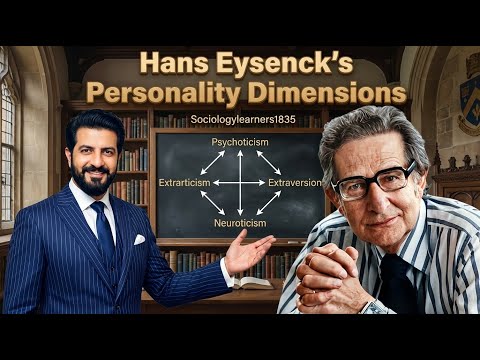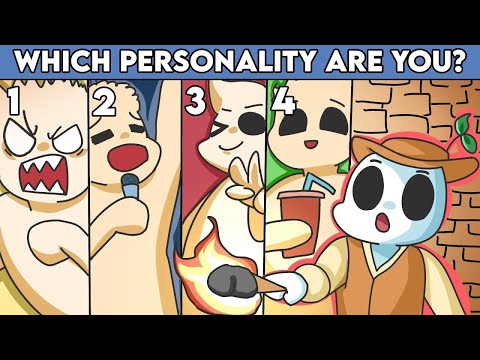
Hey you! Let’s chat about something that’s all around us but kinda gets overlooked: personality and individual differences.
Este blog ofrece contenido únicamente con fines informativos, educativos y de reflexión. La información publicada no constituye consejo médico, psicológico ni psiquiátrico, y no sustituye la evaluación, el diagnóstico, el tratamiento ni la orientación individual de un profesional debidamente acreditado. Si crees que puedes estar atravesando un problema psicológico o de salud, consulta cuanto antes con un profesional certificado antes de tomar cualquier decisión importante sobre tu bienestar. No te automediques ni inicies, suspendas o modifiques medicamentos, terapias o tratamientos por tu cuenta. Aunque intentamos que la información sea útil y precisa, no garantizamos que esté completa, actualizada o que sea adecuada. El uso de este contenido es bajo tu propia responsabilidad y su lectura no crea una relación profesional, clínica ni terapéutica con el autor o con este sitio web.
Isn’t it wild how every single person you meet has their own unique vibe? I mean, some folks light up a room while others are more like, you know, cozy shadows in the corner.
Think about your friends. They all show up with different quirks and styles that make them who they are. What shapes these differences?
Let’s explore this together! You’ll see how factors like upbringing or culture can play a huge role. Seriously, it’s more fascinating than you might think!
Key Factors Influencing Individual Differences: Understanding Personal Variability in Behavior and Traits
Okay, so let’s talk about what makes us all a bit different from each other! Seriously, ever wonder why your friend reacts differently to stress than you do? Or how one person can be super outgoing while another shies away in a crowd? That’s where individual differences come into play.
First off, it’s crucial to understand that our backgrounds shape us. Think of it as the game of life – where you start, the cards you’re dealt, and the choices you make all affect your personality. Here’s what contributes:
- Genetics: Yeah, our DNA plays a huge role. Some people are just born more laid-back or more anxious. It’s like being naturally good at Tetris or Candy Crush – some folks just have that genetic edge.
- Environment: This includes everything from family dynamics to cultural influences. Let’s say you grew up in a big city versus a small town; your experiences will change how you see people and situations.
- Life Experiences: Picture this: someone who faced challenges growing up might develop resilience and empathy, while others may struggle with trust issues because of past betrayals.
- Cognitive Styles: Some people think logically and systematically—like planning every move in chess—while others rely heavily on intuition. These styles impact how we approach problems and social situations.
- Trauma and Stress: Stressful situations can leave marks on our personality. Someone who’s faced significant trauma may become more cautious or wary; it’s like when game characters get certain traits after battling tough foes!
I mean, it’s wild to think about all these factors combining into who you are today! For instance, take gaming again; if you’re an aggressive player in FPS games, it might reflect how you tackle challenges in real life too—boldly or with calculated risks!
The situation also matters a lot. You might be outgoing at parties but introverted at work. That doesn’t mean you’re two-faced! Instead, consider it adapting your strategy based on the game level you’re on!
The interaction between all these influences leads to different traits. Some folks are more open-minded while others are sticklers for routine. Think of personality traits as character classes in games – each comes with its own special abilities and weaknesses!
If someone seems overly serious or reserved during a casual hangout, remember they could be having an off day or just processing things differently than most people around them.
The thing is, understanding these differences helps cultivate empathy and better communication among us humans. We can appreciate how your buddy might need extra time to warm up in social settings compared to someone who’s chatty right outta the gate.
This isn’t a one-size-fits-all explanation; the truth is human behavior is complex! And yeah, if you’re feeling particularly overwhelmed by any aspect of this stuff (or anything really), don’t hesitate to reach out for professional help!
So next time you find yourself puzzled by someone else’s behavior—or even by yours—take a step back and think about everything that’s shaped that person into who they are today. It’s kind of beautiful when you think about it! So many layers making each individual unique.
5 Key Factors That Shape Personality: Understanding Their Impact
So, let’s talk about what shapes your personality. It’s pretty wild when you think about it. You’ve got your quirks, your habits, and that little something that makes you, well, you! There’re a bunch of factors that drive this whole personality thing. Here are five key influences:
- Genetics: This is like the starting point of who you are. Ever notice how some traits run in families? Maybe your dad has a great sense of humor, or your mom is super organized. These traits can be passed down through genes. It’s not all written in stone, but it gives you a basic outline.
- Environment: Where you grow up and the people around you play a massive role too. For instance, if you grew up in a big family where everyone had to share attention, you might end up being extra sociable or maybe even prefer solitude as an adult because of the noise! Your surroundings really shape how comfortable you feel in different situations.
- Experiences: Yep, those ups and downs in life leave marks on us too. Imagine two kids who both faced bullying at school; one becomes shy and withdrawn while the other stands up for others and becomes an advocate. How we cope with experiences can define our personality traits over time.
- Culture: The culture you’re part of — values, beliefs — contributes significantly to how you see the world and interact with it. If you’re raised in a community that emphasizes teamwork over individualism—you might end up prioritizing group harmony over personal ambition!
- Social Interactions: Last but definitely not least are the relationships we build throughout life. Friends influence each other more than we realize. Think about it like this: if all your pals love video games and spend their weekends gaming together, chances are you’ll vibe with them more than someone who’d rather hike mountains every weekend.
These five factors work together like pieces of a puzzle to create your unique personality profile! You know what? Sometimes I think about how my love for video games as a kid shaped my social skills today—like teaming up with friends in co-op modes helped me learn to communicate better!
It’s important to remember that while these factors are huge influences on who we become, they don’t seal our fate completely; people can change and grow even after years of experiences shaping them.
So there it is—your personality isn’t just one thing; it’s this incredible tapestry woven from genetics, environment, culture, experiences, and social interactions! Each string matters and pulls at different times in life.
But hey—if you’re ever feeling stuck or confused about yourself or others around you—it’s always cool to chat with someone who’s trained to help sort things out!
Understanding the 5 Key Factors of Personality: A Comprehensive Guide
So, let’s chat about personality. It’s that intricate mix of traits that makes you, well, *you*. Now, when we dig into the world of psychology, we often bump into something called the “Big Five” personality traits. These are like the core ingredients in the recipe of who you are. Let’s break them down together:
1. Openness to Experience
This one’s all about how much you enjoy new ideas and experiences. If you’re high in openness, you might be the kind of person who loves traveling to new places or trying out quirky foods. Think of characters like Ellie from *Up*—always looking for the adventure! But if you’re more on the low side? You probably prefer routine and stability, like a cozy evening with your favorite book.
2. Conscientiousness
This trait speaks to your level of organization and dependability. Are you someone who keeps a meticulous planner or makes lists? Then congratulations! You’re likely high in conscientiousness. Picture Hermione from *Harry Potter*—always prepared and on top of her game! Those with lower conscientiousness might be more spontaneous and relaxed about plans—like Ron sometimes, going with whatever sounds fun at the moment.
3. Extraversion
Extraversion is all about how energized you feel around other people versus being alone. If you’re extraverted, social gatherings really pump you up; meeting new people feels like a breath of fresh air! It’s like being in a multiplayer game where you’re always teaming up with others—there’s excitement everywhere! On the flip side, introverts recharge by spending time alone or in smaller groups; they’re more like those players who prefer strategizing solo before jumping into action.
4. Agreeableness
This trait reflects how friendly and compassionate you are towards others. Those high in agreeableness tend to be cooperative and warm-hearted—just think of a character like Sam from *Lord of the Rings*, always ready to lend a helping hand! But if you’re lower on this scale, maybe you come off as more competitive or skeptical—a little bit like that villainous character everyone loves to hate.
5. Neuroticism
Finally, we have neuroticism—a fancy way to describe emotional stability and how well you handle stress. People high in this area often feel anxious or easily upset—kind of like when your favorite game glitches right before winning an amazing achievement! In contrast, those low in neuroticism tend to remain calm even during chaos; they experience life’s ups and downs without getting too shaken up.
So there they are—the Big Five personality traits! Each factor plays a role in shaping our behavior and perspectives, making every one of us unique in our own quirky way.
And remember: understanding these key factors can boost your self-awareness but it doesn’t replace professional help if you’re dealing with bigger emotional challenges or mental health issues—it just gives some insight into why we vibe with certain things over others!
You know what? Embracing your personality traits can be pretty liberating! Celebrate what makes you tick—you’re one-of-a-kind just as much as every character in an epic story or game!
You know, personality is such a fascinating topic, isn’t it? I mean, every person you meet has this unique vibe. Some people light up a room just by walking in, while others might keep to themselves. Why is that? Well, personality and individual differences play a huge role.
Think about it like this: have you ever had a friend who’s super outgoing and always the life of the party? And then there’s that one friend who’s more reserved but has the best taste in music or books? It just shows how varied we all are. These differences are often influenced by traits that can be categorized in some way. You’ve probably heard of the Big Five traits: openness, conscientiousness, extraversion, agreeableness, and neuroticism. Each of us has a different mix of these traits that shapes how we experience life.
And honestly, it makes me reflect on my own experiences. I remember back in college when I teamed up with this incredibly outgoing classmate for a project. She was all about brainstorming ideas with everyone while I preferred to quietly jot down thoughts first before sharing them. It was eye-opening! Her energy pushed me to step outside my comfort zone. That’s another key factor here—how our personalities interact with each other.
Culture also plays a big part too! Different cultures shape how we express our personalities and how we perceive others’. Imagine someone from a collectivistic culture where harmony matters most meeting someone from an individualistic culture who values self-expression highly. Those encounters can be so enriching but sometimes confusing too!
In the end, personality and individual differences aren’t just labels; they’re what make our interactions rich and textured. The thing is, appreciating these quirks can lead to more genuine connections and understanding between people. So next time you meet someone who seems totally different from you—embrace it! They might teach you something awesome about yourself or the world around you. Isn’t that what makes life so interesting?