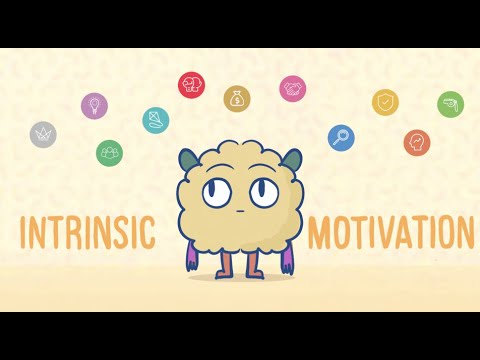
Hey, you! Let’s talk about motivation. You know, that push that gets us out of bed in the morning or drives us to finish that Netflix series instead of doing laundry.
Este blog ofrece contenido únicamente con fines informativos, educativos y de reflexión. La información publicada no constituye consejo médico, psicológico ni psiquiátrico, y no sustituye la evaluación, el diagnóstico, el tratamiento ni la orientación individual de un profesional debidamente acreditado. Si crees que puedes estar atravesando un problema psicológico o de salud, consulta cuanto antes con un profesional certificado antes de tomar cualquier decisión importante sobre tu bienestar. No te automediques ni inicies, suspendas o modifiques medicamentos, terapias o tratamientos por tu cuenta. Aunque intentamos que la información sea útil y precisa, no garantizamos que esté completa, actualizada o que sea adecuada. El uso de este contenido es bajo tu propia responsabilidad y su lectura no crea una relación profesional, clínica ni terapéutica con el autor o con este sitio web.
There are two main types: extrinsic and intrinsic. Like, one comes from outside and involves rewards or recognition, while the other is all about what’s inside you. Pretty interesting, right?
You might be surprised at how these two affect us in different ways. Think about it: when you win a trophy versus when you just feel great about achieving something personal. It’s like comparing apples to oranges!
Stick around as we unravel these differences and how they shape our lives. Trust me, this is gonna be a fun ride!
Understanding Intrinsic and Extrinsic Motivation Theory: Key Insights and Applications
Motivation is super interesting, isn’t it? It shapes how we act and even influences our feelings. When we talk about motivation, we often bump into two main types: intrinsic and extrinsic. Let’s break these down.
Intrinsic motivation comes from within. It’s about doing something because you genuinely enjoy it or find it fulfilling. For example, think of a kid who loves painting. They grab a brush not for praise or prizes but just to express themselves. That joy is totally intrinsic! You might have a hobby that fills you with excitement too, right?
On the flip side is extrinsic motivation. This one comes from outside influences, like rewards or recognition. Imagine playing a video game where you’re chasing achievements or points. You’re motivated by those shiny trophies popping up on your screen, not just the fun of playing the game itself. So, in this case, winning isn’t just about enjoying the game; it’s also about those external rewards.
Here are some key differences between the two:
- Pursuit: Intrinsic motivation is all about personal satisfaction; extrinsic motivation focuses on external rewards.
- Sustainability: Activities driven by intrinsic motives tend to last longer because they’re enjoyable in themselves.
- Performance: People often perform better when intrinsically motivated compared to when they rely mostly on extrinsic factors.
- Satisfaction: The satisfaction from intrinsic activities can lead to greater happiness and fulfillment over time.
You know what’s cool? Combining both types can be really effective! For instance, in education, if students love learning (intrinsic) but also see good grades as an achievement (extrinsic), it can boost their overall performance and enjoyment of school.
I remember a friend who started running. At first, she was all about the medals from races—classic extrinsic motivation! But as she got better and found her groove, she started enjoying the runs themselves more than any medal. That shift was huge for her mental health and overall happiness!
The thing is—balancing these motivations is important in various fields like education and work environments. While teachers might motivate students with grades or awards (extrinsic), instilling a love for learning (intrinsic) can foster lasting engagement.
If you’re ever feeling stuck with your own motivation levels, reflecting on what drives you might help—exploring whether it’s more internal joy or external rewards could spark some change.
This discussion on motivations isn’t just fluff; understanding them can genuinely impact your choices and actions every day. But remember: if you’re struggling with motivation in a way that feels heavy or overwhelming? Seeking help from a professional could be just what you need!
Understanding the Difference Between Intrinsic and Extrinsic Motivation: Clear Definitions and Practical Examples
So, let’s chat about motivation. It’s kind of a big deal, right? Motivation can really shape how you approach things in life. And when we break it down, we find two main types: intrinsic and extrinsic. Each has its quirks, and understanding them can help you figure out what drives you—and maybe even improve your daily grind!
Intrinsic motivation is all about finding joy or satisfaction in an activity itself. Think of it like this: when you do something because you enjoy it—not for a reward or recognition—that’s intrinsic motivation. Maybe you love painting simply because creating art feels good. Or perhaps you dive into a book not because you’re trying to impress anyone but just because the story pulls you in.
On the other hand, we have extrinsic motivation. This is when you’re driven by outside factors—like rewards or avoiding punishment. Imagine playing a video game where you’re grinding to unlock special features or earn trophies. You’re motivated to score high points not just for fun but to show off your achievements or get some sweet loot.
Here are some key differences between these two types of motivation:
- Source: Intrinsic comes from within—like personal satisfaction; extrinsic is external—like money or praise.
- Sustainability: Intrinsic tends to last longer since it’s tied to passion; extrinsic can fade if the reward isn’t enticing enough.
- Effects on performance: Intrinsically motivated folks often show higher creativity and persistence; extrinsic rewards can sometimes undermine intrinsic interest.
- Coping with challenges: When faced with obstacles, those intrinsically motivated may persist longer than those who are only chasing external rewards.
Let’s take a look at some real-life examples! Say you’re learning how to play the guitar. If you’re jamming out just because you love music—that’s intrinsic! But if you’re trying to impress someone at a party or hoping for accolades—that’s extrinsic motivation kicking in.
In school settings, students might write essays out of genuine interest (intrinsic) versus writing them just to secure grades (extrinsic). The former usually leads to deeper learning and engagement.
By understanding these motivations, you can start tweaking your habits and goals in a way that resonates more with what truly excites you! Maybe you’ll realize certain tasks that felt like chores could be made more enjoyable by tapping into intrinsic values.
But hey, remember: while this info is helpful, it doesn’t replace talking with someone who can guide you through your unique experiences if things get tough. If motivation issues impact your well-being seriously, reaching out for professional support is always a wise move.
So next time you’re gearing up for a challenge or task, pause and think about what motivates you! Are you doing it for the love of the game—or chasing that shiny reward? Both forms have their place—you just gotta figure out which one gets your engine revving!
Comparing Intrinsic and Extrinsic Motivation: Key Differences Explained in PDF Format
Intrinsic and extrinsic motivation are two sides of the same coin when it comes to why we do what we do. It’s like having a pizza, where one half is topped with all your favorite ingredients (intrinsic) and the other half is kind of plain but still gets the job done (extrinsic). Let’s break it down a bit!
Intrinsic motivation comes from within you. It’s the stuff that makes you feel good just by doing it. Imagine playing a game because you love the challenge or want to explore its worlds. Here are some key points about intrinsic motivation:
- Satisfaction: You find joy in completing a task for its own sake.
- Creativity: It fuels your imagination and allows for personal expression.
- Persistence: You’re more likely to stick with something if you’re genuinely interested.
Now, let’s switch gears and look at extrinsic motivation. This is all about outside factors pushing you to do something. Think of those video game achievements or rewards—like unlocking a new skin or earning points—that keep you going. Here are some highlights:
- Rewards: You do something in hopes of gaining prizes or recognition.
- Avoiding Punishment: Sometimes, it’s about not getting in trouble for not doing something.
- External Validation: You seek out praise or approval from others for your efforts.
So, how do these two types of motivation stack up against each other? Well, they can be quite different in their effects on performance and well-being.
With intrinsic motivation, you might find that you’re more engaged and enthusiastic about tasks. Picture yourself really diving into that complex level of a game just because it feels rewarding! On the other hand, extrinsically motivated actions can sometimes feel less satisfying once the rewards fade away. For example, if you only play a game to level up fast without enjoying it, you might eventually lose interest.
Now imagine someone who loves painting purely for joy (intrinsic) versus someone who only creates art to sell it (extrinsic). The first person is likely to have a more fulfilling experience!
However, don’t get too caught up thinking one type of motivation is better than the other; they can actually coexist! Sometimes extrinsic factors—like deadlines or competition—can help boost intrinsic desires by creating an environment where your interests can thrive.
Ultimately, knowing what motivates you can lead to greater self-awareness and better decision-making when choosing goals or activities. Just note that if you’re feeling stuck on either front, chatting with a professional could really help clarify things for you.
In short—from finding joy in what we love to chasing after external recognition—motivation shapes our lives every day!
You know, when you think about what drives us to do things, it’s really fascinating how motivation can come from different places. Take a moment to consider the difference between extrinsic and intrinsic motivation. It’s like two sides of the same coin, really.
So, extrinsic motivation is all about those outside rewards—the stuff you get as a result of your actions. Like when you ace a test and get a shiny sticker or a new video game as a reward. Pretty cool, right? But then there’s intrinsic motivation, which is more personal and inside your own heart. It’s that feeling of satisfaction you get from learning something new or helping someone out because it just makes you feel good.
I remember this one time in high school when I was studying for exams. I found myself super excited about history—not because I needed to pass the class or anything like that but because I genuinely loved learning about different cultures and events. That thrill of discovering something new? That was pure intrinsic motivation! It pushed me to dig deeper and actually enjoy studying, rather than just trying to chase after grades.
But here’s where things can get tricky: relying too much on extrinsic rewards can sometimes backfire. If every little thing we do is tied to an outside reward—a trophy, cash prize, or praise—we may end up doing things just for those incentives instead of finding our own joy in them. It’s like training a pet with treats; they might sit on command but aren’t really connected to what they’re doing.
On the flip side, intrinsic motivation often leads to more sustainable engagement. When you’re engaged in something because it fulfills you personally—like painting when you love art—it tends to stick around longer. You keep doing it even when no one is watching; it feels satisfying on its own.
But life isn’t black and white—you might need both types of motivation at different times! A little external nudge like a reward can kickstart your journey toward finding that internal drive.
In the end, understanding the balance between these two motivations can be super helpful in figuring out what gets us going! Whether it’s showing up for work each day or pursuing a passion project in your spare time, it’s all valid as long as it resonates with where you’re at emotionally. So next time you’re feeling stuck—or even totally fired up—think about what fuels your fire!