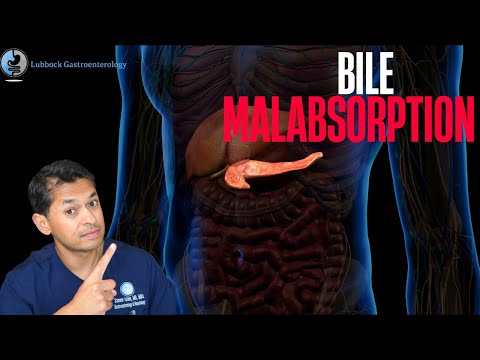
Hey you! Have you ever felt that kind of bone-deep tiredness that just doesn’t seem to fade? Like, no matter how much sleep you get, it’s like dragging a heavy backpack on a hike?
Este blog ofrece contenido únicamente con fines informativos, educativos y de reflexión. La información publicada no constituye consejo médico, psicológico ni psiquiátrico, y no sustituye la evaluación, el diagnóstico, el tratamiento ni la orientación individual de un profesional debidamente acreditado. Si crees que puedes estar atravesando un problema psicológico o de salud, consulta cuanto antes con un profesional certificado antes de tomar cualquier decisión importante sobre tu bienestar. No te automediques ni inicies, suspendas o modifiques medicamentos, terapias o tratamientos por tu cuenta. Aunque intentamos que la información sea útil y precisa, no garantizamos que esté completa, actualizada o que sea adecuada. El uso de este contenido es bajo tu propia responsabilidad y su lectura no crea una relación profesional, clínica ni terapéutica con el autor o con este sitio web.
Well, there’s this thing called bile acid malabsorption fatigue that might be playing a part. Sounds fancy, right? But really, it’s just your body struggling to absorb fats properly.
The result? Yup, pure exhaustion! You might be feeling foggy and drained for no clear reason. It can be super frustrating.
Let’s chat about what causes it and how to manage those pesky feelings of fatigue. Seriously, you’re not alone in this!
Understanding Recovery Time from BAM: Timeline and Psychological Considerations
Hey, let’s jump into the topic of recovery from Bile Acid Malabsorption (BAM). Ever felt so tired that even binge-watching your favorite series felt like a marathon? Well, BAM can really zap your energy, and understanding the timeline for recovery can help you feel a bit more in control.
BAM leads to fatigue among other uncomfortable symptoms. The reason behind this fatigue usually relates to how bile acids are properly absorbed in your digestive system. When they aren’t, it can set off a cascade of physical issues that make you feel drained.
The recovery timeline can vary widely among individuals. It usually depends on several factors including your overall health, lifestyle choices, and how well you manage the condition. Here’s a quick breakdown:
- Initial Phase: Right after diagnosis or treatment begins, you might feel pretty wiped out for a few weeks. This is normal as your body adjusts and starts healing.
- Short-term Recovery: After around 1 to 3 months, many people start noticing improvements in their energy levels as they manage their symptoms better.
- Long-term Management: Full recovery could take several months to even years. It really depends on how well you adhere to dietary changes and other management strategies.
You might be wondering, what about those pesky psychological considerations? Well, when you’re physically unwell, your mental state often takes a hit too. Feelings of frustration or sadness are common when dealing with chronic conditions like BAM.
A friend of mine had her own battle with BAM. She described her recovery journey as playing an open-world game—you know how it is; at first everything feels scattered and chaotic! But as she learned more about her condition and tackled each challenge little by little, she started piecing together the map to her recovery. Seriously though—she made dietary adjustments that helped lessen her symptoms and gradually found her groove again!
This brings us to some psychological strategies for managing BAM-related fatigue:
- Stay Informed: Knowledge is power! Learning about the condition helps reduce anxiety.
- Cognitive Behavioral Techniques: These can help challenge negative thoughts related to fatigue and pushback against feelings of helplessness.
- Build a Support Network: Talking with others who understand what you’re going through can provide emotional relief!
If you’re feeling stuck or overwhelmed at any point during your recovery journey, please reach out for professional help! It’s totally okay to seek guidance here—sometimes we all need a bit of extra support when navigating tricky health waters.
In short, BAM recovery has its ups and downs but knowing what to expect makes the ride less bumpy. Remember to be gentle with yourself along the way—you’re doing better than you think!
How I Overcame Bile Acid Malabsorption: A Personal Journey to Healing and Wellness
Bile acid malabsorption can feel like a tricky maze, and trust me, I know this from experience. It was tough navigating through the fatigue, discomfort, and confusion that came alongside it. When bile acids don’t get reabsorbed properly in your intestines, it leads to a bunch of symptoms like diarrhea and fatigue that can really mess with your daily life.
First off, let’s talk about why fatigue happens. Your body needs those bile acids to digest fats and absorb vitamins. When they’re not working right, you might miss out on essential nutrients. This deficiency is a huge factor in feeling tired all the time.
Here’s how I started tackling this issue:
- Diet Changes: I had to rethink my meals completely. Reducing high-fat foods was essential because they just made everything worse. Instead, I focused on lean proteins and plenty of fruits and veggies.
- Supplements: After talking to my doctor (always a must!), I added some vitamins. Vitamin D and B12 became my best friends since those were two things I was lacking.
- Medication: My doctor prescribed cholestyramine, which helped bind the bile acids in my intestines. It sounds technical but think of it as giving my body a helping hand when it needed it most.
- Minding Stress: Stress can make digestive issues worse! So finding ways to chill out helped too. For me, this meant hanging out with friends or diving into my favorite video games after a long day.
You know what? It wasn’t an overnight fix! There were lots of ups and downs along the way. Sometimes I’d feel great for days but then BAM—fatigue would hit me like a brick wall again! Keeping track of what foods worked for me and which ones didn’t became crucial.
One day while gaming with friends (yup, “Rainbow Six Siege” was our jam), I noticed that laughter really lifted my spirits! It reminded me how important it is to take breaks and enjoy life amidst all the health juggling.
But here’s where it gets real: you have to connect with professionals along this journey. Everyone’s body responds differently–what works for one person might not work for another. So having regular chats with your healthcare team is vital!
Over time, implementing these strategies led me towards feeling more in control of my health—and eventually less fatigued overall. Sure, some days are still harder than others but navigating this winding road made me appreciate the small victories even more.
Finding balance in managing bile acid malabsorption isn’t just about diet or medication; it’s also about nurturing your mental well-being during this journey too! If you’re facing similar issues or symptoms—please chat with a doctor because they can guide you through tailored solutions that work best for you.
In short: bile acid malabsorption doesn’t have to define you. With patience and good strategies (plus a sprinkle of humor), healing is totally possible!
Essential Guide to Foods to Avoid for Bile Acid Malabsorption
Bile acid malabsorption (BAM) can be a real hassle, leading to some pretty frustrating symptoms like **fatigue**, diarrhea, and bloating. When bile acids aren’t absorbed properly, they can wreak havoc on your digestive system. So, let’s chat about the kind of foods you might want to steer clear of if you’re dealing with this issue.
First off, when it comes to BAM, certain **high-fat foods** can be messing with you. You see, when bile acids are low or not working right, your body struggles to digest fats efficiently. Think about creamy sauces or fried foods—it might be time to say goodbye (for now).
- Fried Foods: Yep, those crispy fries might taste great but could lead to discomfort.
- Dairy Products: Full-fat milk and cheese might be too heavy for an upset stomach.
- Processed Meats: Sausages and fatty cuts of meat are notorious for being tough on digestion.
- Baked Goods: Think twice before indulging in pastries packed with butter and sugar.
Carbs are tricky too! High-fiber foods can actually help at times. However, some complex carbs like wheat and bran products could be harder for your body to handle if BAM is in play. You may want to look out for:
- Whole Wheat Products: Like whole grain bread or pasta; they could make things worse.
- Certain Fruits: While fruits are generally good for you, high-fiber ones like pears may cause more gas or bloating.
Now here’s something interesting: stress can also play a role in how your body manages these aches. Picture this—imagine you’re playing a game where every time you make a mistake under pressure, not only do you lose points but it also affects how quickly your character can recover health! Stress operates similarly; if you’re constantly tense or anxious, it affects your gut health even more.
And let’s not forget about sugar! Foods laden with sugar may exacerbate diarrhea since they don’t help regulate bile acid:
- Sugary Drinks: Those sodas and sweetened coffees might feel refreshing at first but then lead to an upset stomach afterward.
- Candies and Sweets: The infamous candy bar? Possibly not worth the aftermath!
Another layer to consider is the gluten issue. Some people find that they react poorly even to small amounts of gluten-containing grains:
- Breads and Cereals: If you’ve noticed issues after eating these items, they might be best avoided.
This doesn’t mean all hope is lost! Finding what works for your body is key. Keeping a food diary might help pinpoint triggers.
And remember: everyone’s different! What messes with me might not bother you at all. So it’s always good idea to talk with healthcare professionals who know their stuff.
In short? Watch out for those high-fat goodies as well as sugary treats—it’s worth being mindful of them while managing bile acid malabsorption! Stay tuned into what helps or hurts because tuning into your body is a game changer too!
Alright, so let’s chat about something that might not come up in everyday conversation, but can really impact how you feel: bile acid malabsorption fatigue. It sounds heavy, huh? But I promise we’re going to break it down together.
So here’s the scoop. Bile acids are like little helpers in your digestive system. They work hard to break down fats and absorb nutrients from your food. But when those bile acids don’t do their job quite right—due to conditions like Crohn’s disease or after certain surgeries—it can lead to all sorts of issues, including fatigue.
I remember when my friend Sarah started feeling constantly drained. No matter how much she slept, she still felt like a walking zombie. After some doctor visits and tests, turns out she had bile acid malabsorption! It was an eye-opener for all of us. Imagine being tired all the time and not knowing why; it’s frustrating and exhausting, both mentally and physically.
Now let’s talk about the «why.» Why does this happen? Well, when you can’t absorb those essential nutrients because of messed up bile acids, your body might be craving energy without even realizing it. You could be missing out on vitamins or minerals that keep your energy levels up. It’s like trying to drive a car with no gas; you just can’t run on empty!
Managing this isn’t always straightforward either. The first step is usually working with a healthcare provider who understands the situation—seriously, don’t go it alone! They often recommend dietary changes or medications that can help regulate bile acids better.
One approach is focusing on a low-fat diet since too many fats might worsen the absorption issue. You could also look into supplements if you’re lacking specific vitamins because of this malabsorption thing. Talking to a dietitian could be super helpful too; they can help you figure out what works best for you.
But wait! It’s not just about the food—lifestyle changes play a part too! Stress management techniques like yoga or meditation can be great for keeping your energy levels stable; plus they help with overall well-being.
So here’s the bottom line: fatigue from bile acid malabsorption is real and can throw life out of whack if you’re not careful. But with the right strategies in place—from diet tweaks to lifestyle adjustments—you can regain some control over how you feel day-to-day. Just remember you’re not alone in this journey!