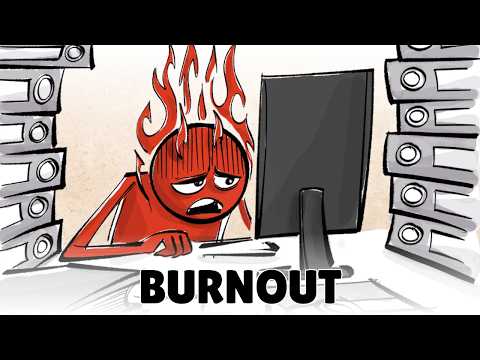
So, you know that feeling when you’re stressed out, and suddenly your stomach starts acting up? Yeah, that’s the worst.
You’re just trying to get through a hectic day, and boom—heartburn hits like a freight train. Ugh!
Este blog ofrece contenido únicamente con fines informativos, educativos y de reflexión. La información publicada no constituye consejo médico, psicológico ni psiquiátrico, y no sustituye la evaluación, el diagnóstico, el tratamiento ni la orientación individual de un profesional debidamente acreditado. Si crees que puedes estar atravesando un problema psicológico o de salud, consulta cuanto antes con un profesional certificado antes de tomar cualquier decisión importante sobre tu bienestar. No te automediques ni inicies, suspendas o modifiques medicamentos, terapias o tratamientos por tu cuenta. Aunque intentamos que la información sea útil y precisa, no garantizamos que esté completa, actualizada o que sea adecuada. El uso de este contenido es bajo tu propia responsabilidad y su lectura no crea una relación profesional, clínica ni terapéutica con el autor o con este sitio web.
Well, it turns out there’s a reason for that. Stress and acid reflux are like two peas in a pod. They just can’t seem to break up!
Let’s chat about what happens in your body when stress rolls around and how it can lead to some serious tummy trouble. You with me?
The Connection Between Emotions and Acid Reflux: Understanding Triggers and Relief
Acid reflux can be such a pain—literally! But did you know that your emotions might play a big role in it? Yeah, it’s true. Stress and anxiety don’t just mess with your mind; they can also wreak havoc on your stomach.
When you’re stressed, your body goes into «fight or flight» mode. Your brain sends signals to your body to prepare for action, and this can lead to all sorts of physical reactions. In fact, studies show that stress increases the production of stomach acid. So if you’re feeling overwhelmed or anxious, you might find yourself dealing with uncomfortable heartburn or acid reflux.
You might wonder how exactly these emotions trigger reflux. Well, think about it this way: when you’re tense or anxious, your digestive system doesn’t function as well as it should. It’s like trying to play a video game while someone’s yelling right next to you—super distracting! Your body’s not focused on digesting food; it’s too busy dealing with the stress.
Here are some key points that help explain the connection between emotions and acid reflux:
- Stress Responses: Stress can lead to changes in how your stomach produces acid.
- Nervous Habits: Under stress, you might eat faster or gulp down food without chewing properly, leading to more air in the stomach.
- Lowered Resistance: Chronic stress may weaken the muscle at the bottom of your esophagus (the lower esophageal sphincter), allowing acid to escape upward.
- Trigger Foods: When we’re stressed, we often reach for comfort foods which are usually high in fat and sugar—not great for reflux!
Let’s take a moment here—think about that time you had a huge deadline at work or school. Maybe you were so stressed that you grabbed a slice of pizza right before running out the door? Not surprisingly, later on, you’d find yourself dealing with some intense heartburn! It’s like putting too much pressure on an overstuffed balloon; eventually, something’s gotta give.
To ease symptoms related to stress-induced acid reflux, consider these approaches:
- Relaxation Techniques: Yoga or deep breathing exercises can help calm both your mind and body.
- Meditation: Just taking a few minutes each day to sit quietly and breathe helps reduce overall stress levels.
- Avoid Trigger Foods: Try steering clear of spicy and fatty foods when you’re feeling particularly frazzled.
It’s important to remember: if you’re frequently experiencing symptoms of acid reflux—especially during stressful times—it might be worth talking things over with a healthcare professional. They can help figure out what’s going on beyond just emotions.
In the end, tackling both emotional well-being and physical health can really make a difference in managing acid reflux symptoms. So next time life’s getting overwhelming, be kind to yourself—and maybe go for some calming chamomile tea instead of that greasy pizza!
Identifying Stress as a Potential Cause of Acid Reflux: Key Signs and Insights
Stress can be a sneaky little monster. You might not think about it, but it can mess with your body in some pretty significant ways. One of those ways? Acid reflux. Yeah, you heard that right! When life gets overwhelming, it can lead to some uncomfortable tummy troubles.
So how does stress connect to acid reflux? Well, here’s the deal. When you’re stressed, your body goes into fight-or-flight mode. This means your brain is telling your body to prepare for battle or run away. Your heart races and muscles tense up, but what happens to digestion? It kind of takes a backseat! That’s when things start going south— literally.
Here are some signs that stress might be triggering your acid reflux:
- Chronic Heartburn: If you’re feeling that burning sensation frequently, especially after eating or when lying down, take note.
- Regurgitation: Ever felt sour stuff coming back up? Yikes! Stress can increase stomach acid production.
- Bloating: If your stomach feels like a balloon after meals, stress could be the culprit.
- Nausea: Feeling queasy when you’re anxious? Yeah, that’s not just in your head!
- Difficulty Swallowing: If it feels like food is stuck in your throat during stressful times— well that’s not fun!
I remember a friend who would get super stressed before exams. She’d study all night and then complain about heartburn so fierce she thought she was on fire! But as soon as the exams were over and she relaxed, her symptoms eased up too. Totally wild how tied up everything was!
The connection isn’t just physical; there are psychological aspects too! People often resort to unhealthy coping mechanisms during stressful times—like comfort eating junk food or drinking too much coffee or soda. These choices can exacerbate acid reflux and create a vicious cycle!
If you think stress is at play here for you or someone you know, it’s really important to consider some relaxation techniques like meditation or deep breathing exercises. Your mental health matters!
And hey, while identifying these patterns is super useful, this isn’t a substitute for seeing a healthcare professional if you’re having serious symptoms. They’ll help map out the best path for tackling both stress and any digestive issues that come along with it.
In the end, being aware of how our minds affect our bodies can make all the difference. So keep an eye out for those signs and take care of yourself!
Effective Strategies to Reduce Stress and Prevent Acid Reflux
Stress is a sneaky little monster, isn’t it? You might be going about your day when suddenly, BAM! Your stomach starts acting up, and boom, you’re dealing with acid reflux. It’s way more connected than you think. Let’s chat about some effective strategies to keep that stress—and the reflux—at bay.
Understand the Connection
Stress messes with your body in all kinds of ways. When you’re feeling anxious or overwhelmed, your body produces excess stomach acid. That’s when reflux can rears its ugly head. The *fight-or-flight* reaction kicks in, and your digestive system takes a backseat.
Mindfulness and Meditation
One of the best ways to combat stress is through mindfulness. Seriously! Just taking a few moments each day to focus on your breath can make a huge difference.
- Try Deep Breathing: Spend five minutes inhaling deeply through your nose and exhaling slowly through your mouth.
- Meditation Apps: Consider using apps like Headspace or Calm for guided sessions.
I remember being super stressed during finals week in college. I stumbled upon a breathing technique that helped clear my head and made studying easier—no more stomach issues!
Regular Exercise
Staying active is another great way to keep both stress and reflux at bay. You don’t have to hit the gym like a bodybuilder; even gentle forms of exercise work wonders!
- Walking: A simple 30-minute walk can lower anxiety levels.
- Yoga: This combines movement with breath control—perfect for calming the mind.
A friend of mine started doing yoga when she felt her stress levels spiking at work. Yeah, it took some time, but she saw major improvements not only in her anxiety but also in her digestion.
A Balanced Diet
What you eat can make a big difference too! Eating mindfully—not just scarfing down lunch while scrolling through social media—helps manage both stress and reflux.
- Avoid Trigger Foods: Steer clear of spicy foods or caffeine if they bother you.
- Stay Hydrated: Drink plenty of water but avoid sipping too much during meals!
Last summer, I decided to try meal prepping for the week ahead instead of grabbing fast food. Not only did I eat healthier meals, but it also helped keep my mind off stressors throughout my busy days!
Sufficient Sleep
Let’s not forget about sleep! A good night’s rest is crucial for managing stress levels.
- Create a Sleep Routine: Aim for 7-9 hours by going to bed at the same time every night.
- No Screens Before Bed: Turn off phones or TVs an hour before snoozing!
I learned this one the hard way after binge-watching shows late into the night! It seriously impacted both my mood and how my stomach felt in the morning.
Add Supportive Relationships
Having someone to talk things out with can dramatically decrease that feeling of overwhelm.
- Pursue Connections: Reach out to friends or family when you’re feeling blue.
- Ditch Isolation: Avoid spending too much time alone; social activities boost mood!
Once, I was having an awful week where everything seemed overwhelming until I met up with some pals over coffee. It completely changed my perspective!
In short, managing stress effectively not only benefits your mental health but also plays an important role in preventing those annoying bouts of acid reflux.
Remember though: these strategies are great additions to your routine but don’t replace professional help if things get too heavy or persistently uncomfortable! Take care of yourself out there!
Stress, right? It’s one of those things we all deal with, whether it’s from work deadlines, family drama, or just the hustle of everyday life. And here’s an interesting twist to it: stress can mess with your stomach in some pretty uncomfortable ways. Ever had that gnawing feeling after a particularly chaotic day? You’re not alone! Stress-induced acid reflux is a real thing, and it can be quite the nuisance.
You know what I mean? Imagine you’ve just wrapped up a huge presentation at work. Your heart’s racing, your palms are sweaty—classic stress signs. Then, bam! That burning sensation creeps up your throat. It’s like your body is saying “Whoa there! Slow down!” But instead of taking a breather, you chug down some water and keep pushing through.
So why does this happen? Well, when you’re stressed out, your body goes into fight-or-flight mode. That means your heart rate speeds up and blood pressure rises. But here’s the kicker: during this chaotic state, digestion takes a backseat—a sure invite for that pesky acid reflux to crash the party. The esophagus kinda gets confused and lets acid sneak through. No fun at all!
Let me share a little something personal. I remember one time when I had an important exam coming up—my stomach was doing somersaults all week long. Every time I tried to eat something light and calming like yogurt or rice, that familiar burn would remind me of my elevated stress levels. It honestly felt like my own body was sabotaging me!
And it’s not just about those big events either; everyday stressors matter too. Maybe it’s arguing with a partner or worrying about finances; these things build up over time and can fuel those uncomfortable symptoms.
Managing stress isn’t just about meditation or yoga (though they help); it’s also about recognizing when you need to step back and take care of yourself—listen to what your body needs! Sometimes simply talking to someone can lighten the load or even getting outside for fresh air.
Basically, stress-induced acid reflux is one of those reminders that our bodies are intricately connected—our mental state really does reflect in our physical health. So next time you’re feeling overwhelmed and that burn starts creeping in, take a minute to breathe and ask yourself if you’re giving yourself enough grace amidst all life’s chaos!