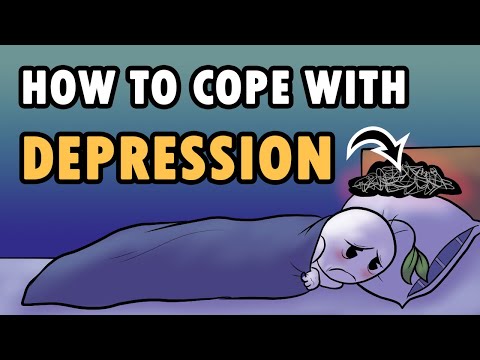
Hey there. So, let’s chat a bit about something that’s kinda tough to bring up—depression.
Este blog ofrece contenido únicamente con fines informativos, educativos y de reflexión. La información publicada no constituye consejo médico, psicológico ni psiquiátrico, y no sustituye la evaluación, el diagnóstico, el tratamiento ni la orientación individual de un profesional debidamente acreditado. Si crees que puedes estar atravesando un problema psicológico o de salud, consulta cuanto antes con un profesional certificado antes de tomar cualquier decisión importante sobre tu bienestar. No te automediques ni inicies, suspendas o modifiques medicamentos, terapias o tratamientos por tu cuenta. Aunque intentamos que la información sea útil y precisa, no garantizamos que esté completa, actualizada o que sea adecuada. El uso de este contenido es bajo tu propia responsabilidad y su lectura no crea una relación profesional, clínica ni terapéutica con el autor o con este sitio web.
I mean, it’s one of those things that can sneak up on you, right? One day you’re fine, and the next everything just feels heavy. We’ve all been there or know someone who has.
But here’s the thing: managing it isn’t about having a magic wand or something. It’s more like finding little ways to lighten that load.
And trust me, there are some pretty effective solutions out there! You with me?
Effective Strategies to Overcome Depression and Combat Overthinking
So, let’s chat about something that a lot of us deal with – depression and that pesky habit of overthinking. You know, those moments when your brain just won’t shut off? It can feel like a never-ending loop of negative thoughts and emotions. But here’s the good news: there are effective strategies to tackle this head-on. And while talking to a pro is super important if you’re feeling really low, these ideas might help lighten the load.
First off, let’s talk about creating a routine. Having a consistent daily structure can be really grounding. Think about it – waking up, eating meals, doing activities at set times helps bring some normalcy back into your life. It doesn’t have to be fancy. Just simple stuff can do wonders! Maybe you start each day with a cup of coffee, read a bit of your favorite book, or go for a walk in the park. Seriously, something small can turn into a big win.
- Physical activity: You don’t need to run marathons or lift heavy weights; just get moving! A short walk or stretching can boost your mood by releasing those feel-good chemicals called endorphins. Plus, fresh air works like magic!
- Meditation and mindfulness: This one’s all about being present in the moment instead of spiraling into what-ifs. Even five minutes focusing on your breath can help calm racing thoughts and reduce anxiety.
- Limit screen time: Yeah, scrolling through social media might seem harmless but it often adds to our worries without us even realizing it! Try setting boundaries for yourself – maybe no screens an hour before bedtime.
- Connect with others: Reach out to friends or family. Sometimes just chatting or hanging out can remind you that you’re not alone in how you feel.
- Journaling: Writing down your thoughts helps release them from your mind onto paper. You might find patterns in what triggers those overthinking moments or just vent out how you’re feeling – whatever works!
The thing is, it’s okay to ask for help when things feel too heavy. Talking to someone who gets it – like a therapist – can really shine some light on what you’re going through.
And let’s not forget about sleep! Seriously important! If you’re stuck in those long nights tossing and turning thinking about everything under the sun (or moon), it’ll wear you down fast. Establishing good sleep hygiene habits could mean creating a cozy bedtime routine where screens are off an hour before bed and maybe sipping herbal tea instead.
You might also want to try cognitive-behavioral strategies. This is where you actively challenge those negative thoughts popping up in your head. Instead of thinking “I’m never going to be happy,” try flipping that around to “I’m working toward my happiness.” Little shifts like this might make all the difference.
Mood-boosting activities are also key! Engaging in hobbies? Yes please! Whether it’s painting, gardening—anything that makes you smile helps lift spirits even when you’re feeling low.
All in all, remember this: overcoming depression and battling overthinking isn’t something that happens overnight; it’s more like leveling up in a game where practice makes progress! Celebrate every little victory along the way; they add up faster than you’d think.
If things ever get too overwhelming though (and trust me that’s totally okay!), reaching out for professional support is crucial. You deserve help when things get tough!
Effective Strategies for Overcoming Depression on Your Own
Depression can feel like a heavy fog, really. You might wake up some days thinking, «Ugh, not again,» and it’s tough to shake that feeling off. While professional help is crucial for many, there are some strategies you can try on your own to help lift that fog a bit. Here’s a look at some effective techniques you might find helpful.
- Routine Building: Creating a daily routine can provide structure during chaotic times. When I was feeling down, I made it a point to get up at the same time every day and do simple tasks like making my bed or watering my plants. It sounds small but trust me, it helped me regain a sense of control.
- Physical Activity: Moving your body is more powerful than you think. Even just walking around the block can release those feel-good chemicals called endorphins. Once, I started playing short sessions of basketball with friends after work; those little bursts of fun really shifted my mood over time.
- Mindfulness and Meditation: Taking time to be in the moment can do wonders for your mind. You don’t have to sit cross-legged on the floor chanting—just focus on your breathing for a few minutes. Apps like Headspace or Calm are great helpers if you’re unsure where to start.
- Social Connections: Isolation makes everything harder. Reach out to friends or family—even if it’s just sending a quick text saying you’re thinking about them! I remember feeling so alone one winter until I sent a meme to my best friend; it sparked a conversation that lifted my spirits immensely.
- Creative Outlets: Expressing yourself through art, music, writing—whatever you fancy—can be therapeutic. Last year, when I felt particularly down, I started doodling again after years. Just letting your thoughts bleed onto paper can feel freeing!
- Sufficient Sleep: The relationship between sleep and mental health is significant! Try developing better sleep habits; maybe set a bedtime routine that helps signal your brain it’s time to wind down. Seriously, falling asleep with your favorite book instead of scrolling through social media can make all the difference.
- Nourishing Your Body: Eating well doesn’t mean strict dieting; just try adding more fruits and veggies into your meals! Once upon a time when I was feeling low energy-wise, simply switching out chips for some carrot sticks gave me more pep in my step!
If something feels overwhelming or the strategies aren’t helping much at all? Don’t hesitate to reach out for professional help! There’s no shame in needing support from someone who understands what you’re going through.
Anyway, remember these tips aren’t meant as replacements for therapy or medication if that’s what you need—they’re just tools you can play around with while working towards feeling better overall! Every little step matters on this journey towards brighter days ahead!
Effective Strategies for Permanently Overcoming Depression
Depression can feel like a heavy fog that just won’t lift. Some days, it’s hard to even get out of bed. But there are ways to manage it that can really help—seriously, they can make a difference. Just remember, this info is for you to explore and shouldn’t take the place of talking to a professional.
Understanding Your Feelings
First things first: It’s crucial to understand what you’re feeling. Depression isn’t just sadness; it’s that lack of energy or motivation. Sometimes, it can feel like you’re in a game where you can’t figure out the controls. Recognizing these feelings is the first step.
Set Small Goals
When everything seems overwhelming, try setting small, achievable goals. You don’t need to climb Mount Everest; maybe just aim for your favorite mug of coffee in the morning. Completing tasks—no matter how little—gives you a sense of accomplishment.
- Start with simple tasks: Maybe make your bed or take a shower.
- Gradually increase: Once those feel manageable, think about stepping outside for a walk.
Routine is Your Friend
With depression, routines can be lifesavers. Creating one gives structure and predictability to your day. Think about it like playing your favorite video game every day at the same time—you know what to expect!
- Mornings: Try waking up at the same time each day.
- Nights: Wind down with a calming activity before bed.
Sneaky Self-Care
Don’t underestimate self-care—it’s not just bubble baths and face masks! It involves doing things that nourish your body and mind.
- Nourishing foods: Eating veggies doesn’t have to be boring! Find ways to make them fun—like trying new recipes!
- Mood boosters: Incorporate exercise into your routine, even if it’s just dancing around your living room.
The Power of Connection
Reaching out to others might be tough when you’re feeling down but connecting with friends or family can really light up that foggy brain space.
- A simple text or call: Let someone know you’re thinking of them!
- A support group: Look for local or online communities where people share their experiences.
Mental Health Tools
There are tools that might help clear up some of that fog too! Journaling is one way—you can jot down what you’re feeling without judgment. It’s like leveling up in understanding yourself.
- Meditation and mindfulness: Apps like Headspace or Calm offer guided sessions—all while you’re just chilling on your couch!
- Cognitive-behavioral strategies:This is fancy talk for flipping negative thoughts upside down.
Speaking with a therapist can also bring valuable insights! It’s kind of like having a coach in this game called life who knows all the shortcuts.
In the end, everyone’s journey through depression is unique; no one size fits all here. You may have days when things seem tougher than others—and that’s totally okay. Give yourself grace!
So seriously, if things ever feel too heavy or outta control? Don’t hesitate to reach out for professional help; they’ve got tools and resources that’ll make those clouds part faster than you’d think!
Remember: You’re not alone on this journey!
You know, depression can sometimes feel like the heavy gray cloud that just won’t budge. I’ve seen friends go through it, and honestly, it can be heart-wrenching. One of my pals, let’s call him Jake, once admitted that getting out of bed felt like running a marathon. And I mean, who hasn’t had those days where everything feels heavy?
Anyway, managing depression isn’t always about “snapping out of it.” It’s more complex than that. But there are definitely some effective solutions out there.
First off, reaching out is huge. I remember Jake finally talking to me about what he was feeling. It was tough for him at first but connecting with someone really lightened his load a bit—just knowing he wasn’t alone made such a difference. Talking to friends or seeking professional help can really open doors to understanding feelings better.
Also, don’t underestimate the power of routine! Seriously! Sometimes just getting up at a set time or even taking a shower can bring structure to chaotic thoughts. It’s like anchoring yourself in stormy weather.
Exercise? Yeah, it might sound cliché but trust me, moving your body releases those happy little chemicals called endorphins. Even if it’s just a short walk; you don’t have to run marathons! And hey, every little bit counts.
Diet plays a role too; I won’t get all science-y here but what you eat can seriously affect your mood. So maybe swap some chips for fruits or veggies? You’ll thank yourself later!
Then there’s mindfulness or meditation. Sounds fancy but really it’s just taking time to breathe and be present—no pressure! You could start simply by sitting in silence for five minutes and just focusing on your breath.
And let’s not forget sleep. Good sleep hygiene is like charging your phone: if you don’t plug it in regularly, it dies! Get some rest because being well-rested can help clear your mind and improve mood.
In the end, everyone’s journey is unique and what works for one person might not work for another—but trying different approaches makes sense, right? The biggest takeaway here is that it’s okay not to be okay sometimes and asking for help isn’t weakness; it’s strength.
So if you’re feeling down today—or know someone who is—maybe try reaching out or introducing small changes into your routine. You never know—it might just lift that cloud away little by little!