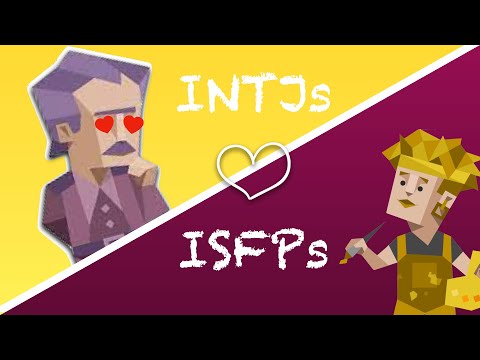
So, you’re curious about the INTJ and ISFP connection, huh? Well, buckle up! It’s a ride of contrasts, creativity, and some pretty fascinating dynamics.
Este blog ofrece contenido únicamente con fines informativos, educativos y de reflexión. La información publicada no constituye consejo médico, psicológico ni psiquiátrico, y no sustituye la evaluación, el diagnóstico, el tratamiento ni la orientación individual de un profesional debidamente acreditado. Si crees que puedes estar atravesando un problema psicológico o de salud, consulta cuanto antes con un profesional certificado antes de tomar cualquier decisión importante sobre tu bienestar. No te automediques ni inicies, suspendas o modifiques medicamentos, terapias o tratamientos por tu cuenta. Aunque intentamos que la información sea útil y precisa, no garantizamos que esté completa, actualizada o que sea adecuada. El uso de este contenido es bajo tu propia responsabilidad y su lectura no crea una relación profesional, clínica ni terapéutica con el autor o con este sitio web.
Imagine an INTJ—logical, strategic, a bit like the chess player in the game of life. Now picture an ISFP—artistic, free-spirited, more like a watercolor painting floating in the breeze.
You might wonder how these two seemingly opposite personalities vibe. Seriously, it’s like mixing peanut butter with jelly: sticky at times but oh so satisfying when it works out!
They approach the world with different lenses. But hey! That’s what makes their relationship so intriguing. You ready to dive deeper into this combo? Let’s go!
Understanding INTJ Relationship Dynamics: Ideal Partners for INTJs
When you think about personality types, INTJs and ISFPs might seem like an unlikely match at first glance. But let’s break it down a bit
. INTJs, known for their rational thinking and strategic planning, can sometimes feel overwhelmed by emotions. They’re the masterminds who love to figure things out and make sense of the world. Meanwhile, ISFPs are more like free spirits who embrace creativity and seek to enjoy the moment. Their emotional depth brings color to the often gray strategies of an INTJ.
Now, what really makes this pairing interesting is their approach to life and relationships:
- Different Strengths: INTJs are all about structure and future planning, while ISFPs focus on living in the here and now. For example, if you’re an INTJ planning a five-year goal map for your career, your ISFP partner might be more excited about spontaneous weekend trips.
- Complementary Skills: The practical skills of an INTJ can help ground the ISFP’s dreamy nature. Think of it like having a reliable map (the INTJ) while navigating through an enchanted forest (the ISFP’s creative spirit).
- Coping with Conflict: When disagreements arise—and they will—INTJs tend to analyze issues logically, whereas ISFPs may dive into their feelings. It’s important for both partners to openly communicate their feelings and perspectives without judgment.
A little story here: I remember my friend Sam (an INTJ) who dated Mia (an ISFP). Sam was always busy mapping out their future plans—where they’d travel in a few years or what career changes they might take. Mia? She just wanted them to enjoy each day together without stressing too much about what came next. They learned that a balance between Sam’s careful planning and Mia’s impulse was crucial for keeping both sides happy.
An ideal partnership for these two types relies heavily on mutual respect and understanding:
- Appreciation of Differences: Recognizing how different strengths contribute to the relationship is key. Sam learned that sometimes it was good to not plan everything—those impromptu trips created some of their best memories!
- Creative Collaboration: Engaging in shared activities that tap into both partners’ strengths can be enriching. Maybe try art projects together; they can encourage Mia’s creativity while allowing Sam a chance to structure something tangible from ideas.
- Pacing Each Other: Both partners need patience; speed bumps will happen! Taking time to understand each other’s needs and pacing in conversations lets them navigate emotional topics more easily.
You know what? It’s all about finding that balance between logic and feeling; making room for both styles can lead to growth! And while this post provides insights into an INTJ-ISFP dynamic, it doesn’t replace professional help if you need guidance in your relationship.
The key takeaway here is simple: When INTJs team up with ISFPs, there’s potential for growth through understanding each other’s perspectives. So keep exploring those differences together—it could lead you both somewhere fascinating!
Understanding ISFP Behavior and Reactions When Angry: A Practical Guide
Okay, so let’s talk about ISFPs, those delicate souls often referred to as “the artists” of the personality world. They’re all about feeling and being in the moment. But when anger bubbles up? Oh boy, it can be a whole different story!
ISFP Behavior When Angry
First off, you’ve got to understand that ISFPs tend to be pretty non-confrontational. They don’t typically like drama or conflict. So when they do get angry, it often comes as a surprise—not just to you but to them too! Think of it like a volcano; they usually keep it dormant until something really triggers an eruption.
Common Triggers
- Feeling misunderstood: ISFPs value their individuality and if someone doesn’t get them, it can hit hard.
- Lack of personal space: Everyone needs room to breathe, but for an ISFP, this is super crucial.
- Being told what to do: They prefer their own way of doing things and being micromanaged can push them over the edge.
Just imagine your friend who loves to paint and express themselves through art. If someone were to criticize their work harshly or force them into a box—yeah, that’s not going to vibe well at all.
Reactions You Might See
When anger strikes an ISFP, they might react in some pretty unique ways:
- Sulking: Instead of throwing a tantrum, they might withdraw—like your favorite RPG character sneaking back into the shadows after a battle gone wrong.
- Pouting: You’ll notice a change in body language; they may become quiet or distant. It’s like a player who suddenly stops interacting during a game because they’re upset.
- Crying: Emotions can overwhelm them! A quick cry session could happen as they try to process what just went down.
This doesn’t mean they’re throwing a fit; it’s more about processing emotions in their quiet way. And hey—you know how sometimes you feel like bursting out during Mario Kart when your friend bumps you off track? It’s kind of like that—except their anger may not be as playful!
Navigating Relationships: INTJ & ISFP Dynamics
If you’re dealing with an ISFP in relation to someone who’s more logical and strategic like an INTJ, there’s potential for misunderstanding. The INTJ might come off as cold or overly analytical while the ISFP is swimming in feelings and creativity.
- The INTJ may try solving problems rationally—which could frustrate the emotional ISFP even more.
- The communication styles differ significantly; INTJs love directness while ISFPs prefer subtle hints and emotional context.
You can see how this could lead to some epic miscommunication battles—kind of like two game characters from different worlds trying to team up without ever agreeing on strategy!
The Bottom Line
If you’re close with an ISFP—or dating one—and notice anger starting to brew, remember this isn’t just about what *you* want. They need understanding and space. Listen actively if they choose to share after cooling down. Or give them time alone if that’s what they prefer—it shows respect for their emotions!
A Quick Reminder:
This info isn’t meant as personal therapy advice or substitute for professional help—it’s just here so you can understand better how that beautiful artistic mind ticks! So take care & approach each situation with kindness!
Understanding INTJ and ISFP Compatibility in the Bedroom: Insights into Their Intimate Dynamics
So, let’s chat about the INTJ and ISFP compatibility, especially when it comes to their intimate moments. If you’re into these personality types, you know there’s a lot going on under the surface. They have different ways of viewing things that can blend beautifully in a relationship but can also cause some real hiccups.
INTJs are known as the “Architects” of the personality world. They’re deep thinkers, strategic planners, and usually pretty independent. They like to analyze everything—even their feelings! On the other hand, ISFPs are the “Adventurers.” They thrive on spontaneity and experience; they feel strongly but often live in the moment, which can be both refreshing and chaotic.
Now, let’s break down how these two types can get cozy in their own unique ways.
- Emotional Connection: INTJs often approach intimacy analytically. They might think about what their partner needs and plan for it—kind of like crafting a strategy for a game night! ISFPs crave connection more instinctively. They want to feel that emotional bond with their partner and may not always verbalize it.
- Physical Affection: For them, intimacy is not just physical; it’s an art form! INTJs may tend to look at physical affection as another thing on their to-do list while ISFPs see it as a way to express love freely. This difference can either create misunderstandings or really magical moments if they navigate it carefully.
- Communication Styles: It’s like playing two different video games with varying interfaces! INTJs prefer clarity and logic when discussing issues while ISFPs lean towards emotional expression. This combo means they have to find common ground—maybe use metaphors or creative expressions so both can understand each other better.
- Spontaneity vs Structure: The structured approach of an INTJ might clash with an ISFP’s free spirit—think of it like trying to play chess with someone who only wants to doodle on the board! Sometimes, using that spontaneity could lead to passionate encounters that surprise them both.
- Coping with Conflict: When disagreements arise—and believe me, they will—it’s crucial for both parties to respect each other’s styles. INTJs might want to analyze every detail while ISFPs may just want a hug or some quiet time first before talking things out.
A little personal story: I once knew a couple where the guy was an INTJ and his girlfriend was an ISFP. Their first few months were filled with awkward moments over sharing feelings after heated arguments—he’d throw out logical points while she’d express how hurt she felt. Eventually, they learned that cuddling before diving into serious talks made all the difference in bridging their differences.
At the end of the day, whether you’re looking at this pair from a romantic angle or just curious about their dynamics, you’ll find plenty of magic mixed with challenges in that bedroom chemistry. Just remember: keeping communication open is key here! And hey—you know what? It doesn’t hurt to learn about each other’s quirks along this wild ride.
And if things do get complicated? Don’t hesitate reaching out for professional advice—it really does help sometimes when navigating these unique dynamics!
You know, when you look at personality types, it’s like watching two different worlds collide. Take INTJs and ISFPs, for instance. On the surface, they seem pretty different. INTJs are all about plans and strategies, while ISFPs lean toward feelings and experiences. But honestly? That’s what makes their relationship dynamics so interesting.
My friend Sarah is an INTJ — a classic planner who loves to map out her future. And then there’s her boyfriend Alex, who’s totally an ISFP. He’s the type who would rather drop everything to chase the sunset than stick to a rigid schedule. One time, they were supposed to go to a concert that Sarah had bought tickets for ages in advance. But Alex woke up that morning feeling spontaneous and suggested a day trip instead. Sarah’s brain short-circuited for a moment; I mean, tickets were already bought! But in the end, she grudgingly agreed and they ended up having one of those magical adventures where nothing goes according to plan but everything feels perfect.
The thing is, both types have strengths that can complement each other beautifully if they let themselves blend their perspectives. INTJs often bring this incredible foresight into situations — thinking five steps ahead like chess masters — which can help ground an ISFP who might struggle with staying organized in life’s chaos. And on the flip side, ISFPs have that flair for creativity and spontaneity that helps draw INTJs out of their shells every now and then.
However, it isn’t always sunshine and rainbows between them—there’s definitely some tension too! An INTJ might feel frustrated with an ISFP’s tendency to go with the flow instead of sticking to a plan or making decisions based on reason alone. Meanwhile, an ISFP might feel stifled by that same structure-loving nature of their INTJ partner.
Communication is key here. When both sides make the effort to understand each other’s ways of processing things—like how one values structure while the other treasures freedom—they can really thrive together! It’s seriously amazing how conversations can bridge those gaps if you’re willing to meet halfway.
So yeah, while Sarah and Alex had that bump in the road over concert plans (which was hilarious looking back), they’ve learned to appreciate those differences over time. They’ve found ways to compromise—like planning spontaneous trips but keeping some days free for flexibility.
Basically, navigating life as an INTJ paired with an ISFP? It’s a dance between structure and spontaneity—a challenge worth taking on if you ask me! Just imagine all the color they can bring into each other’s lives by being open-minded and understanding them selves first! Don’t you think?