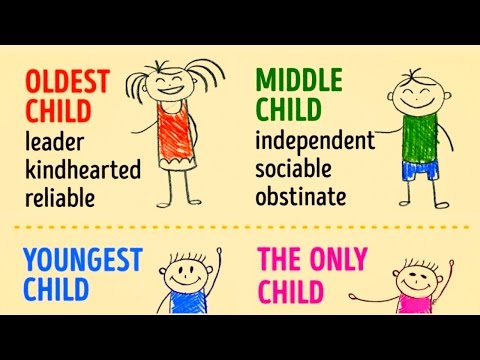
Okay, let’s talk about something we all experience but hardly ever think about—our birth order. Yep, that little detail can actually shape who you are as a person. Crazy, right?
Este blog ofrece contenido únicamente con fines informativos, educativos y de reflexión. La información publicada no constituye consejo médico, psicológico ni psiquiátrico, y no sustituye la evaluación, el diagnóstico, el tratamiento ni la orientación individual de un profesional debidamente acreditado. Si crees que puedes estar atravesando un problema psicológico o de salud, consulta cuanto antes con un profesional certificado antes de tomar cualquier decisión importante sobre tu bienestar. No te automediques ni inicies, suspendas o modifiques medicamentos, terapias o tratamientos por tu cuenta. Aunque intentamos que la información sea útil y precisa, no garantizamos que esté completa, actualizada o que sea adecuada. El uso de este contenido es bajo tu propia responsabilidad y su lectura no crea una relación profesional, clínica ni terapéutica con el autor o con este sitio web.
You know how it goes. There’s that older sibling who seems to have their life together and then there’s the middle kid who’s always trying to find their place. And let’s not forget the baby of the family—spoiled or super charming, you pick!
So, what if your spot in the lineup actually influences your personality? I mean, do first-borns really have that whole responsible vibe? Are youngest siblings really the free spirits they seem to be?
Let’s chat about how your birth order might just play a bigger role in shaping you than you thought. Sound good?
Exploring the Impact of Birth Order on Personality Traits
So, let’s talk about birth order and how it might shape who you are. You probably know the classic idea: firstborns are responsible, middle kids are peacemakers, and youngest ones are the free spirits. But is it really that simple? Well, not exactly.
Firstborns often carry a lot of weight on their shoulders. They’ve been called “natural leaders.” Think about it: they’re usually the first ones to try new things at home, like when your parents decide to have a kid and suddenly they have this whole new dynamic to manage. You might find them more achievement-oriented and organized, right? Maybe they even remind you of that serious character in your favorite movie who takes charge in a crisis!
On the flip side, middle children can be quite different. They often feel like they have to carve out their own identity since the firstborn steals some of the spotlight. This can make them more adaptable and good at negotiation. Like when you’re playing a multiplayer game and need two players to agree on strategy because no one wants to be left out—middle kids often step into that role.
Now for the youngest kids. Ah, the babies of the family! They tend to be fun-loving and charming. Many say they’re more outgoing because they’ve grown up with older siblings who already paved some paths for them—like having a cheat sheet for life! But they might also get used to being coddled a bit more, leading them to be a tad less responsible at times.
It’s interesting when you think about how these roles play out in real life. A study done by researchers (yeah, they’re always digging into this stuff) suggested that birth order can influence traits but isn’t necessarily a strict rulebook; there’s so much variation across families!
But hey, remember: **while** these traits can give us insight into personalities, they’re not set in stone. Environmental factors and personal experiences play huge roles too!
What’s fascinating is how people perceive themselves based on their positions in birth order. For instance, let’s say you’re a firstborn who feels pressure to succeed but also secretly envies your youngest sibling’s carefree approach—big feelings all around! This interplay is what makes each family dynamic unique.
So while birth order is common food for thought regarding personality traits—like why your oldest friend is always planning every detail of your hangout—the reality may just be more nuanced than we think.
And one last thing before I wrap up: if ever you feel like you’re wrestling with your personality or family dynamics isn’t what you’d hoped for—well that’s okay too! It might help to chat with someone professional about your experiences rather than treating birth order as an absolute guidebook.
In the end, whether you’re leading the pack or navigating between siblings’ big personalities, just know that there’s room for everyone at this wild table called life!
The Impact of Family Position on Personality Development: Exploring Birth Order and Its Psychological Effects
So, let’s talk about how your place in the family might shape who you are. You know, it’s pretty wild to think that being the firstborn, middle child, or baby can actually influence your personality traits. Seriously, these roles can set the stage for how we view ourselves and interact with others.
First off, let’s break down what I mean by birth order. This idea suggests that your position among siblings can determine certain characteristics or behaviors as you grow up. Researchers have spent a lot of time looking into this stuff, and while there’s no one-size-fits-all formula, patterns do emerge based on family dynamics.
Firstborns often take charge early on. They are like the mini-parents of the bunch. These kiddos usually feel responsible and tend to excel in leadership roles later in life. Think about Mario from Super Mario; he’s always leading his brother Luigi through adventures! But they might also be perfectionists and strict with themselves because they want to make their parents proud.
Now, how about those middle children? They’re often seen as peacemakers or negotiators within the family drama. Growing up with older siblings means they’ve got to sort of carve out their own identity—kind of like finding an alternate route in a game when you hit a dead end. Middle kids are usually adaptable and great at compromising but might struggle with feeling overlooked sometimes.
Lastly, let’s not forget our youngest siblings. These little ones often bask in the limelight of their older bro or sis’ achievements but also learn to be quite charming! You can think of them like Yoshi from Mario Kart—always looking for ways to stand out and enjoy life while others focus on responsibilities! However, they might grow up relying more on others’ support since they’re used to being babied a bit.
Of course, not every single person fits perfectly into these categories—life is way too messy for that! But being aware of these patterns helps us understand each other better. It’s important to note that while birth order influences personality development, it doesn’t define who you will become completely; many factors come into play here.
Here are some key points about birth order traits:
- Firstborns: Often responsible and achievement-oriented.
- Middle Children: Typically adaptable and peacekeeping.
- Youngest Siblings: Usually charming and free-spirited.
Understanding where you fit into this puzzle can really help when navigating relationships or even just getting along with family members. Imagine chatting over coffee with friends about childhood memories? You might notice these traits pop up all around!
In short, birth order’s role in personality development is fascinating but remember—it doesn’t determine everything about who we are! We’ve got experiences, environments, and personal growth factors that all matter just as much—if not more!
And hey? If you find yourself having some struggles stemming from family dynamics or anything else personal, talking things out with someone who knows what they’re doing can be super helpful too—don’t hesitate!
Comprehensive Birth Order Characteristics Chart: Understanding Personality Traits and Behavior Patterns
So, let’s talk about birth order and how it can shape our personalities. It’s kind of fascinating, isn’t it? Depending on whether you’re the firstborn, middle child, youngest, or even an only child, some common traits seem to pop up. But remember, this is just a general observation; everyone is unique and should be treated as such.
Firstborns often embody leadership qualities. They tend to be responsible and achievement-oriented. You might know someone like this—always the one organizing group projects or making sure everyone is on track. Think about a board game where one player naturally takes charge because they want to win; that’s your classic firstborn. Their drive for perfection can sometimes make them a bit bossy though!
- Responsible: Firstborns usually take their duties seriously.
- High achievers: They often want to impress their parents and can be perfectionists.
- Leaders: They’re often seen as the «mini-parents» in the family.
Now, onto the middle children. These folks can sometimes feel like they’re in no man’s land. Middle children are usually peacemakers; they adapt easily but may struggle with feeling overlooked compared to their older sibling. Imagine two players vying for attention in a multiplayer game while the third player quietly helps keep things running smoothly behind the scenes—that’s your middle child!
- Negotiators: They tend to mediate conflicts within the family.
- Tolerant: Middle children learn to share attention from an early age.
- Independent: Because they often have to carve out their own niche.
The youngest child? Oh boy! These little rascals can be quite charming! Youngest siblings are typically fun-loving and competitive, wanting to prove themselves against their older brothers or sisters. Think of them as the mischievous players who try creative strategies in games just to stand out—they usually get away with things older siblings wouldn’t dare!
- Spoiled?: Sometimes they get pampered by parents or siblings.
- Social butterflies: Often very outgoing and charming; they’ll make friends easily!
- Clever: Younger ones might find unique ways around rules since they’ve watched others go before them.
If you’re an only child, well, you’ve got your own set of traits too! Only children tend to be mature for their age since they’re often around adults more than kids. The downside? They might feel lonely at times or struggle with sharing since everything was theirs alone growing up. Picture a solo player in a game: skilled but sometimes missing out on teamwork experience!
- Mature: Only children often grow up quicker than peers due to adult interactions.
- Spoiled but independent?: Sometimes they get all the attention but also have freedom without siblings’ competition.
- Highly imaginative: Lack of playmates leads them to create elaborate games and scenarios solo.
Ultimately, while birth order does seem to influence personality traits and behaviors—don’t forget that individual experiences play a huge role too! Family dynamics, culture, and personal relationships matter just as much as where you fall in line at home. So keep this info in mind as a fun way of understanding yourself or others better—but definitely don’t use it as an excuse for bad behavior! If you ever feel overwhelmed by these traits or need deeper insights into your personality, reaching out for professional help is always a smart move.
You know how some people just seem to fit perfectly into their family roles? Like, if you ever had a friend who was the oldest sibling, you might have noticed they often act like mini parents. It’s pretty intriguing how the order in which you’re born can shape who you are.
Research shows that birth order can influence personality traits. Firstborns might be more responsible and achievement-oriented, while middle children could be the peacemakers, and youngest siblings often bring out their inner charmers, right? I mean, there’s something to be said about how dynamics play out in a household.
Take my friend Sarah. She’s the oldest and always organized everything when we were kids—like planning birthday parties down to the last detail. On the flip side, her brother Jake is the youngest and always seemed more carefree. He’d show up late to family dinners because he’d been playing video games or hanging with friends. Those roles were so obvious that it was almost like watching a sitcom unfold!
But it’s not just about being responsible or carefree; it’s also about how we handle challenges. Firstborns might take on leadership roles more easily since they feel this pressure to set an example. Middle kids often get used to negotiating their place in between siblings; they’re like little diplomats with social skills that could rival seasoned negotiators! Youngest ones might just approach life with a heavy dose of humor and charm—they’re really good at getting what they want.
Of course, there are other factors at play here too—parenting styles, family size, and individual experiences that can mix things up quite a bit. But still! It’s wild to think your birth order can leave such fingerprints on your personality.
So, think for a moment about your own family or maybe friends’ families. Do those birth order traits feel familiar? It’s kind of like piecing together an emotional puzzle when you start looking at how much our positions shape us—all without us even realizing it! The thing is: whether you’re the bossy firstborn or the laid-back baby of the family, there’s beauty in those quirks and differences that make us who we are.

