Hey you! So, have you ever taken one of those personality tests? You know, the ones where you find out if you’re a fun-loving extrovert or a cozy introvert?
Este blog ofrece contenido únicamente con fines informativos, educativos y de reflexión. La información publicada no constituye consejo médico, psicológico ni psiquiátrico, y no sustituye la evaluación, el diagnóstico, el tratamiento ni la orientación individual de un profesional debidamente acreditado. Si crees que puedes estar atravesando un problema psicológico o de salud, consulta cuanto antes con un profesional certificado antes de tomar cualquier decisión importante sobre tu bienestar. No te automediques ni inicies, suspendas o modifiques medicamentos, terapias o tratamientos por tu cuenta. Aunque intentamos que la información sea útil y precisa, no garantizamos que esté completa, actualizada o que sea adecuada. El uso de este contenido es bajo tu propia responsabilidad y su lectura no crea una relación profesional, clínica ni terapéutica con el autor o con este sitio web.
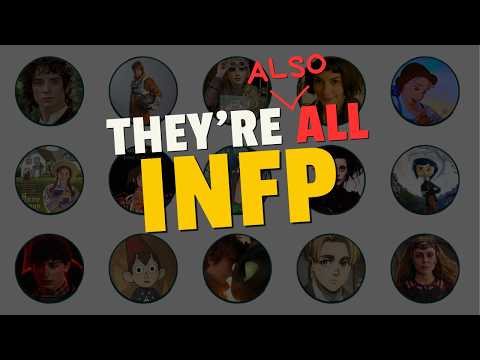
Well, today, I wanna chat about the INFPs. You might be asking yourself, «What’s that?» It stands for Introverted, Intuitive, Feeling, and Perceiving. Basically, it’s a vibe. These folks are deep thinkers and dreamers.
And guess what? Some of your favorite fictional characters are INFPs too! Seriously. They’re the sensitive souls who get lost in their thoughts or fight for what they believe in.
Let’s take a look at some famous characters who totally embody that INFP energy. You ready for this? It’s gonna be good!
Notable Female INFP Characters in Fiction: Exploring Their Traits and Influence
The INFP personality type, known as «The Mediator,» is characterized by deep empathy, idealism, and a strong sense of individuality. It’s fascinating to see how many female characters embody these traits in fiction. They often challenge the status quo and inspire others with their unique perspectives. So who are some of these remarkable characters? Let’s take a look!
- Anne Shirley from Anne of Green Gables: Anne is an imaginative girl with a vivid inner world. Her dreams and emotions drive her actions, showcasing that INFPs are dreamers at heart. Plus, she often sees beauty where others don’t!
- Luna Lovegood from Harry Potter: Luna’s quirky personality and open-mindedness make her a perfect example of an INFP. She embraces her individuality and supports her friends without judgment, showing the loyalty typical of this type.
- Pocahontas from Disney’s Pocahontas: With her strong connection to nature and belief in harmony between different cultures, Pocahontas embodies the values of peace and understanding inherent in many INFPs. Her character reflects the INFP’s desire to seek deeper meaning in life.
- Tami Taylor from Friday Night Lights: Tami is often seen as the emotional backbone of the show. Her nurturing nature and genuine concern for others highlight how INFPs can connect deeply with people around them.
- Korra from Legend of Korra: As a character who struggles with her identity and purpose throughout the series, Korra showcases the internal conflict often felt by INFPs—balancing personal ideals with external expectations.
These characters resonate with audiences for several reasons.
First off, they’re usually portrayed as empathetic. Their ability to understand others’ feelings adds depth to their relationships. This trait is fundamental for INFPs, who often strive to create harmony.
Next, many female INFP characters possess a strong sense of morality. They stick to their principles even when faced with obstacles or criticism. This makes them relatable because we all face moral dilemmas at some point.
Another important trait is their imagination. These characters often have creative outlets that help them express their rich inner lives. Whether it be writing like Anne or dreaming big like Pocahontas, they remind us that imagination can lead to change.
Plus, there’s always a touch of idealism. They may fight against societal norms or pursue lofty goals that seem out of reach—something that resonates deeply for those who identify as INFPs themselves.
Here’s where it gets emotional. Imagine being in high school when you felt totally misunderstood; your views seemed far out compared to your peers’. You might’ve found solace in someone like Luna Lovegood! Characters like her remind us that being different doesn’t mean you’re alone; it means you’re special.
All in all, female INFP characters shine through their empathy, creativity, and convictions. Through storytelling, they encourage readers or viewers to embrace their differences while fighting for what feels right—a true testament to the influence they wield in literature and beyond.
So if you ever resonate with one of these characters during tough times or feel inspired by their struggles—know that it’s okay! You’re not missing anything; you’re just connecting deeply on another level! Just remember though: fictional journeys can be eye-opening but they never replace professional help when it’s needed!
Exploring Notable Male INFP Characters in Fiction and Their Impact on Storytelling
Exploring notable male INFP characters in fiction is like taking a stroll through an emotional landscape. These characters often embody the dreamy, introspective personality typical of the INFP type. They bring depth to stories, touching on themes of individuality, morality, and emotional struggle.
- Holden Caulfield from «The Catcher in the Rye» is one of the most iconic male INFPs. He’s sensitive, critical of society, and deeply affected by loss. His journey is about finding authenticity in a world he finds phony.
- Frodo Baggins, from «The Lord of the Rings,» showcases classic traits too. He’s reluctant but brave, embodying loyalty and a quest for purpose while grappling with immense burdens.
- Amélie Poulain’s love interest, Nino Quincampoix from «Amélie,» represents the whimsical side of the INFP. He’s imaginative and gentle—qualities that help him connect with others in meaningful ways.
- Dante Alighieri, although historical rather than fictional, represents an idealistic essence through his works like «The Divine Comedy.» His exploration of love and morality shows off those deep INFP qualities.
So what really makes these characters tick? Well, they often face conflicts that resonate with many people—searching for identity or fighting against societal norms. This struggle embodies the classic battle between dreamers and reality.
Now let’s think about how their presence affects storytelling. These characters often serve as windows into deeper themes:
- Their internal conflicts allow readers to reflect on personal struggles.
- Their idealism can inspire hope or challenge traditional narratives.
- Absorbing their quests makes us think about our own journeys toward self-acceptance.
Take Frodo again; his struggle against overwhelming odds helps illustrate perseverance—something we all can relate to at some point.
And speaking of connections, these male INFP characters often display strong bonds with others, showcasing empathy and understanding. This dynamic not only enriches their stories but also provides opportunities for character growth.
In summary, by including male INFPs in fiction, authors are able to explore nuanced aspects of human emotions and interactions. They add layers we might not see otherwise—layers filled with struggles that mirror our own lives.
Just keep in mind that while exploring these characters offers insights into personality types like INFPs, it doesn’t replace professional help if you need it!
Exploring INFP Anime Characters: Traits, Behaviors, and Impact on Storytelling
INFPs, or the «Idealists,» are one of those personality types that often stand out in anime, and it’s no wonder why. They bring depth, creativity, and a touch of whimsy to the stories they’re in. If you haven’t noticed it yet, here’s a little breakdown of what makes INFP characters so intriguing.
- Deep Emotions: INFPs feel things intensely. They’re often portrayed as passionate about their beliefs and values. For example, take Shinobu from Demon Slayer. Her emotional journey is at the core of her character development.
- Imaginative Dreamers: These characters are creators at heart. They envision worlds where anything is possible! Think about Luffy from One Piece, whose dreams drive the narrative forward. It’s that sense of adventure and possibility that keeps viewers hooked.
- Empathy in Action: INFPs have this amazing ability to understand others’ feelings. Characters like Izuku Midoriya from Boku no Hero Academia showcase how empathy can lead to powerful connections and impactful story arcs.
- Struggles with Self-Doubt: They often wrestle with insecurity and self-esteem issues. Remember Rem from Re:Zero? Her battles with worthiness add layers to her character that resonate deeply with fans.
- A Desire for Authenticity: INFPs typically crave truth and authenticity in their relationships and surroundings. Characters like Shogo Makishima from Psycho-Pass challenge societal norms, highlighting this trait beautifully toward a thought-provoking narrative.
These characteristics create rich storytelling opportunities. It’s fascinating how INFP characters can inspire audiences by showcasing strength through vulnerability.
And let’s not forget about their quirks! , who struggles to break free from his family’s constraints while still navigating personal emotions and friendships.
But wait—here’s something you might find interesting: these characters often drive others’ growth too! You see them fostering change or instigating brave decisions in their friends.
When it comes to storytelling, INFPs challenge conventional narratives by adding deeper emotional layers. They sometimes take risks that other character types wouldn’t dare! Their idealistic nature often leads them on quests or struggles against overwhelming odds.
In short, whether they’re fighting for justice, dreaming big, or dealing with inner conflicts—these beloved characters show us what it means to be human in all our complexities.
So if you see yourself reflecting on an INFP character on screen or page? You’re probably grappling with some profound insights into who we are as people—chasing dreams while also just trying to figure it all out.
Just remember: while these traits can be intriguing mirrors for personal reflection, they don’t replace professional help if you need it! There’s no shame in reaching out when life gets a bit too tough; we all need support sometimes.
You know, when you think about INFPs, those dreamy idealists with such rich inner worlds, it’s kind of amazing to see how many characters in fiction reflect those traits. Seriously, from books to movies to even some historical figures, the INFP vibe is everywhere.
Take Frodo Baggins from «The Lord of the Rings.» I mean, he’s this humble little hobbit who is entrusted with an enormous task: carrying the One Ring to Mount Doom. His heart is guided by a deep sense of duty and a longing for peace. Isn’t that something we can all relate to? Sometimes I find myself wishing I could be as brave as him.
And then there’s Anne Shirley from «Anne of Green Gables.» Talk about an INFP! She’s imaginative and often misunderstood, but she sees beauty in everything around her. I remember reading about her escapades and thinking how she finds magic in life’s little moments. It reminds you that seeing the world through a different lens can bring so much joy.
Of course we can’t forget authors like J.R.R. Tolkien or William Shakespeare—so many argue they were INFPs too! They crafted entire worlds and complex emotions that resonate deeply with people even today. You got to appreciate how their quiet introspection brought forth creativity that shaped countless lives.
But here’s where it gets even more interesting: many real-life figures reflect these qualities too! Think about people like Vincent van Gogh or Princess Diana—both had a knack for empathy and brought light into the lives of others while sometimes struggling with their own inner battles. It just shows that being an INFP can come with its challenges but also incredible beauty.
The thing is, characters like these remind us that it’s okay to be sensitive or idealistic. It encourages us to embrace our quirks rather than suppress them—after all, wouldn’t we all love to change the world just a little? So next time you read a story or watch a movie featuring our beloved INFPs, take a moment and let yourself connect with their journey—it might inspire you in ways you didn’t expect!