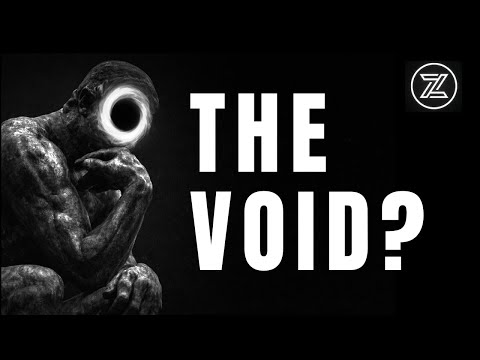
Hey, you ever feel like your emotions just… disappeared? Like, one minute you’re on top of the world, and the next, nada? Seriously, it’s wild how that happens.
Este blog ofrece contenido únicamente con fines informativos, educativos y de reflexión. La información publicada no constituye consejo médico, psicológico ni psiquiátrico, y no sustituye la evaluación, el diagnóstico, el tratamiento ni la orientación individual de un profesional debidamente acreditado. Si crees que puedes estar atravesando un problema psicológico o de salud, consulta cuanto antes con un profesional certificado antes de tomar cualquier decisión importante sobre tu bienestar. No te automediques ni inicies, suspendas o modifiques medicamentos, terapias o tratamientos por tu cuenta. Aunque intentamos que la información sea útil y precisa, no garantizamos que esté completa, actualizada o que sea adecuada. El uso de este contenido es bajo tu propia responsabilidad y su lectura no crea una relación profesional, clínica ni terapéutica con el autor o con este sitio web.
You’re not alone in this. Lots of people feel like they’re stuck in a fog sometimes. It’s like being a ghost in your own life! I mean, do you remember a time when everything was just… blah?
It can be super confusing and honestly kind of scary. But there’s more to it than meets the eye. Let’s break it down together. Sound good?
Understanding the Trauma Behind Emotional Disconnection: Key Causes and Impacts
Emotional disconnection can feel like trudging through a fog. It’s that numbness you experience when you can’t quite tap into your feelings. Sometimes, it’s as if a thick wall separates you from everything happening around you. You might laugh with friends but not really feel the joy; it’s just… there. So, what’s going on?
First off, emotional disconnection often roots itself in trauma. This trauma can stem from various experiences—childhood events like neglect or abuse, or even recent events such as loss or betrayal. Think of it like leveling up in a video game: every tough experience adds another layer to your character, but sometimes those layers protect you from feeling pain.
Here are some reasons this disconnect happens:
- Defense Mechanism: When you’ve been hurt, your mind might shut down emotions to protect itself. It’s like putting on armor—you can’t be wounded if you don’t let anything in.
- Overwhelming Emotions: Sometimes feelings can be so intense that the brain just decides to switch them off. Imagine playing an intense game where your character faces impossible odds; eventually, you’d want to throw down the controller.
- Chronic Stress: When you’re constantly stressed, your body can become exhausted and numb out emotions altogether, similar to a character in a survival game who loses all morale after too many battles.
- Coping Strategy: For some people, disconnect is their way of coping with ongoing challenges. Think about it—if being emotionally numb helps you get through tough situations, why wouldn’t you lean into that?
Now, let’s break down how this affects your life.
Emotional disconnection can lead to feeling isolated—even when surrounded by loved ones. You might notice that even during celebrations or quiet moments with friends and family, there’s still a sense of distance inside you. It’s frustrating! Relationships become strained because others may not understand why you’re not fully present.
This situation can also wreak havoc on mental health. Conditions like anxiety and depression often thrive in this emotional void; it’s almost like feeding off your numbness for energy.
Consider this: Have you ever played a game where communication is key but one player is simply not engaging? It messes up team chemistry and strategy because everyone feels the gap. That’s kind of what emotional disconnection does in real life—it creates gaps in connection and understanding.
But hey—you’re not alone in this! Many people experience similar struggles at different points in their lives. Remember though: while it’s valuable to understand these causes and effects, nothing beats reaching out for help when needed. Therapists or counselors are equipped to guide people through this terrain.
In short, emotional disconnection stems from various sources—including trauma—and impacts relationships and mental well-being significantly. If you’re feeling stuck behind those walls of numbness, know it’s okay to seek support; connections matter more than anything else!
Understanding the Risks of Emotional Numbness: Is It a Danger to Your Well-Being?
Feeling numb to emotions can be a pretty unsettling experience, like living in black and white instead of color. You might be sitting in your favorite café, sipping coffee, yet nothing seems to spark any joy or feeling. Emotional numbness isn’t just a mood thing; it can really affect your overall well-being.
So, what is emotional numbness? Well, it’s that sense of disconnect from your feelings. It’s like when you’re playing a video game and you hit a glitch—everything freezes up for a moment. You are still going through the motions of life but feeling detached from it all.
- Causes: This numbness can come from various sources. Trauma, stress, or even overwhelming emotions can lead your brain to shut down those feelings as a protective mechanism. Imagine if you were playing an intense game and the graphics started glitching; that’s kind of what happens when our minds try to protect us.
- Signs: Are you often finding it hard to connect with others? Maybe you’re feeling less joy in things you once loved? These could be signs of emotional disconnection. Think about how you feel when your favorite character dies in a game—there’s that gut punch of emotion. Now imagine not feeling anything at all about that moment.
- Consequences: If this numbness sticks around too long, it can lead to other problems like depression or anxiety. It’s like ignoring that little warning light on your car dashboard until one day the engine actually gives out on you.
- Addressing Numbness: While talking things out with friends or family helps, remember this isn’t a replacement for professional help if needed! Some people find therapies useful, while others may turn to creative outlets like art or writing—anything that expresses those hidden feelings.
A little story: I once had a friend who went through an incredibly tough breakup. At first, they felt everything deeply—the sorrow was palpable! After some time though, they turned into this emotional zombie: no tears, no laughter. It scared them because they used to feel so much! Seeking help was vital for them; slowly but surely they began reconnecting with their emotions and found their vibrant self again.
If you’re dealing with something similar—feeling lost in that vast sea of nothingness—don’t hesitate to reach out for support. Remember: it’s totally okay not to have all the answers right now! Just take it one step at a time.
This emotional numbness isn’t just something we shrug off; it’s something worth paying attention too. Understand where you’re standing emotionally and don’t hesitate to seek help if necessary! You deserve fully experiencing life’s ups and downs again!
Understanding Emotional Numbness: Causes, Symptoms, and Practical Coping Strategies
Emotional numbness can feel like you’re living in a fog, where feelings are more like a distant memory than something you can actually connect with. You might find yourself going through the motions of life, but really feeling nothing at all. It’s not uncommon, and it can happen for a bunch of reasons.
Causes of Emotional Numbness
- Trauma: Experiencing traumatic events often puts up emotional walls that protect you from pain. But these walls can also block out happiness.
- Anxiety and Depression: Both of these mental health challenges can lead to feeling disconnected from emotions. It’s like your mind is on autopilot.
- Medication: Some medications are designed to help mood disorders but they can also cause emotional dulling as a side effect.
- Substance Abuse: Using drugs or alcohol to cope can numb feelings temporarily, but long term it complicates things even more.
You know what? Imagine playing a video game where all the colors are muted and the characters don’t express any emotions. That’s kind of what emotional numbness feels like—you’re still in the game, but it’s like you’re just missing out on all the excitement and connection around you.
Symptoms of Emotional Numbness
- Lack of interest: You might find that activities or hobbies you once loved just seem… boring now.
- No emotional reaction: Even big life events (good or bad!) might not elicit any response—it’s as if you’re watching someone else’s life unfold.
- Isolation: Feeling disconnected from friends or family? It’s common when you’re emotionally shut down.
- Cognitive dissonance: Sometimes, you may recognize that there’s something wrong but not be able to pinpoint exactly what it is!
If this sounds familiar, don’t freak out! Recognizing what’s happening is the first step toward feeling better. A lot of people go through this, so you’re definitely not alone.
Coping Strategies
- Acknowledge Your Feelings: Take a moment to sit with your emotions—even if they seem nonexistent. Just being aware is powerful.
- Create a Routine: Structure helps! Having daily activities keeps your mind engaged and creates opportunities for re-connection with feelings—like scheduling walks or even movie nights with friends!
- Meditation and Mindfulness: These practices can ground you in the present moment, helping you tap back into your emotional self without pressure.
- Talk It Out: Seriously, sharing what you’re feeling with someone (or even just how weird things feel) helps lighten the load immensely.
You know how sometimes playing those open-world games lets you explore at your own pace? Healing from emotional numbness works in similar ways; it takes time and exploration. Everyone’s journey looks different. Just remember: if you’ve tried these strategies and still feel lost or stuck, don’t hesitate to reach out for professional help—sometimes we all need a little extra support!
The key takeaway here? Emotional numbness isn’t a permanent state; it’s often just a signal that something needs attention in our lives. You’re not broken; sometimes we just need some time to reconnect with our feelings again!
You know that feeling when you’re just going through the motions? Life seems to be happening all around you, but inside, it’s like you’ve thrown a switch and everything’s gone silent. That state of emotional disconnection can be tough to navigate. It’s almost like being on autopilot, with your heart and mind not quite synced up.
A while back, I had a friend who experienced this. Let’s call her Sarah. Sarah was in a rough spot—she had just gone through a breakup, and for months afterward, it felt like she was trapped in this bubble. Friends would invite her out, and she’d go because she didn’t want to seem rude. But when she was there? Everything felt muted—like she was watching life from behind a glass wall. Laughter happened around her, but she couldn’t quite feel the joy anymore. It was heartbreaking.
Emotional numbness can stem from various sources—stressful situations, trauma, or even overwhelming sadness. Some people experience this as a way to protect themselves from feelings that are too painful to handle. It’s sort of like putting on armor; the problem is that while it keeps the bad stuff out, it also blocks the good stuff too.
Sometimes we might even not realize we’re numb until someone points it out or until we find ourselves in a situation where we should feel something deeply—like at a friend’s wedding or during an emotional movie scene—and instead of tears or joy, there’s just… nothing.
So what do you do if you find yourself feeling disconnected? Well, everyday steps can help re-engage your emotions. For example:
- Try keeping a journal to express what you’re feeling (or not feeling).
- Explore new activities that challenge you emotionally.
- Talk openly with trusted friends about your experience.
All these actions can start slowly chipping away at that wall you’ve built around your feelings.
It might take time—sort of like peeling layers off an onion—and hey, sometimes the tears might fall unconsciously because those feelings have been bottled up for so long! But little by little, you’ll start to reconnect with yourself again.
Feeling numb isn’t the end of the road; it’s actually an invitation to explore your emotions more deeply when you’re ready. It’s okay if it takes some time; just remember you’re not alone in this journey!