You know what? Life can sometimes feel like a rollercoaster, right? One moment you’re riding high, and the next, you’re just holding on for dear life. Seriously, stress sneaks up on us when we least expect it.
Este blog ofrece contenido únicamente con fines informativos, educativos y de reflexión. La información publicada no constituye consejo médico, psicológico ni psiquiátrico, y no sustituye la evaluación, el diagnóstico, el tratamiento ni la orientación individual de un profesional debidamente acreditado. Si crees que puedes estar atravesando un problema psicológico o de salud, consulta cuanto antes con un profesional certificado antes de tomar cualquier decisión importante sobre tu bienestar. No te automediques ni inicies, suspendas o modifiques medicamentos, terapias o tratamientos por tu cuenta. Aunque intentamos que la información sea útil y precisa, no garantizamos que esté completa, actualizada o que sea adecuada. El uso de este contenido es bajo tu propia responsabilidad y su lectura no crea una relación profesional, clínica ni terapéutica con el autor o con este sitio web.
Maybe you’ve felt that knot in your stomach or the never-ending tension in your shoulders. You’re not alone. In fact, many of us go through this stuff but don’t really recognize the signs until it’s too late.
So, let’s chat about the sneaky symptoms of being over-stressed. It’s those little red flags that can tell us when our well-being is taking a hit. By catching them early, we can turn things around and reclaim some peace in our lives! Stick with me here!
Understanding the Importance of Recognizing Stress Symptoms for Better Mental Well-Being
Recognizing stress symptoms is super important for your mental well-being. When you can pinpoint those signs, you’re already on the path to taking care of yourself. Let’s break this down, shall we?
First off, stress isn’t just a feeling – it comes with physical and emotional symptoms that can really mess with your day-to-day life. Some common stress signs include:
- Physical symptoms: headaches or stomachaches, muscle tension, fatigue.
- Emotional symptoms: feelings of anxiety or irritability, trouble sleeping.
- Cognitive symptoms: difficulty concentrating, memory issues.
- Behavioral symptoms: changes in eating habits or social withdrawal.
Think about it this way. Imagine you’re playing a video game and your character starts making weird moves – maybe it’s slower or just not responding right. You’d pause the game to figure out what’s wrong, right? Same with our bodies and minds! When you notice these stress signs creeping in, that’s your cue to take a step back and assess what’s happening.
A while back, I had this ridiculously hectic week at work. I mean deadlines were looming like storm clouds! I started getting headaches and my sleep turned into this weird cycle of tossing and turning. At first, I thought it was just the coffee or maybe I wasn’t eating enough. But then I realized it was all that accumulated stress catching up to me! Once I recognized these signs, I took some time off and focused on relaxing. Seriously made a world of difference.
So why is recognizing these stress symptoms necessary for your well-being? Well:
- Prevention of burnout: Recognizing when you’re stressed helps you take action before reaching that breaking point.
- Improved relationships: When you’re less stressed, you’re generally more pleasant to be around!
- Increased productivity: You’ll work better when you’re in a good mental space instead of being overwhelmed.
And don’t forget about self-care! Once you know what stress looks like for you personally, it becomes easier to manage it effectively. It could be anything from meditation to playing your favorite video game – whatever helps soothe your mind.
Finally, remember that recognizing stress is just the first step. If things feel too overwhelming or if the stress becomes unbearable (which happens!), don’t hesitate to reach out for professional help. You deserve support when times get tough.
Being aware of your own mental health is like having a cheat code for life – helps you level up instead of losing lives! Just keep an eye out for those signs and give yourself the care you need when they pop up.
Understanding the 3 3 3 Rule for Managing Stress: A Practical Guide
Stress—ugh, we’ve all felt it, right? It creeps up in those moments when you’ve got too much going on, and you can barely catch a breath. That’s where the 3 3 3 Rule comes into play. It’s a simple approach to ground yourself when stress feels like it’s about to explode.
The 3 3 3 Rule is all about helping you notice your surroundings and bring your focus back to the present. So here’s how it works:
- Look around: Identify three things you can see. This might be your favorite mug on the table, a picture of your cat, or even that funky plant in the corner.
- Listen closely: Now pick out three sounds you can hear. Maybe it’s the hum of your fridge, birds chirping outside, or even the distant sound of traffic.
- Move a bit: Finally, touch three different things. This could be anything—your cozy sweater, a pen in your hand, or even the cool surface of your desk.
This isn’t just some random activity. The basic idea is to distract yourself from whatever’s stressing you out. Think of it like hitting pause in a video game when things get too intense—sometimes you just need to take a step back.
Now let’s talk about why this works. All that focusing on your senses really pulls you into the moment! And with stress often making us feel frantic or lost in our thoughts, this is like an anchor pulling you back to solid ground.
If you’re someone who often feels overwhelmed by little things—a bad day at work or an overloaded schedule—and starts noticing symptoms like irritability or physical tension in your jaw or shoulders, then this simple exercise could be just what helps shift things around for you.
You know what’s wild? People often underestimate how powerful these little techniques can be! It doesn’t solve everything (and let me be clear—it doesn’t replace professional help if you’re really struggling), but it gives you some tools to better manage those pesky moments of overwhelm.
The next time you’re feeling that tight knot growing in your chest or that tension behind your eyes, give this rule a shot. After all, managing stress doesn’t have to feel complicated—it can be as easy as taking a moment to notice what’s around you!
Your well-being matters! Take those small steps towards understanding and managing stress better; they might make more difference than you’d expect.
Understanding the 4 D’s of Stress: Practical Strategies for Effective Stress Management
Stress can be a sneaky little monster, right? You’re going about your day, and suddenly it feels like there’s a heavy weight on your shoulders. Sometimes it’s hard to really know what’s going on or how to deal with it. That’s where the **four D’s of stress** come into play: **deny, dull, defend, and distract**. Let’s break these down so you can recognize over-stress symptoms for better well-being.
Deny: This is when you refuse to acknowledge that you’re stressed. Maybe you’re slammed with work, but you keep saying “I’m fine.” I mean, we’ve all been there! But ignoring stress just puts off the inevitable explosion. Over time, this can lead to burnout or health problems.
Dull: Sometimes we try to dull our stress with things like binge-watching shows or eating junk food. Yeah, that temporary escape feels good! However, it doesn’t really solve the problem; it just makes things worse in the long run if you’re not addressing what’s causing your stress.
Defend: This one’s tricky because it might feel like you’re defending yourself against stressors. You know? Like snapping at friends or getting defensive at work? You may not even realize it! Stress can make us more irritable and reactive.
Distract: Ahh distraction! Scrolling through social media might feel like a break from reality. Or maybe playing video games becomes an escape hatch from your daily stresses, right? While distractions can be helpful in moderation, they shouldn’t replace dealing with what’s actually bothering you.
To manage stress effectively and turn those pesky D’s around:
- Acknowledge Your Feelings: Just admitting that you’re stressed is a big step! Keep a journal for these feelings; writing them down can help clarify what’s bugging you.
- Set Boundaries: It’s okay to say no sometimes! Whether it’s at work or in your personal life—knowing your limits is crucial.
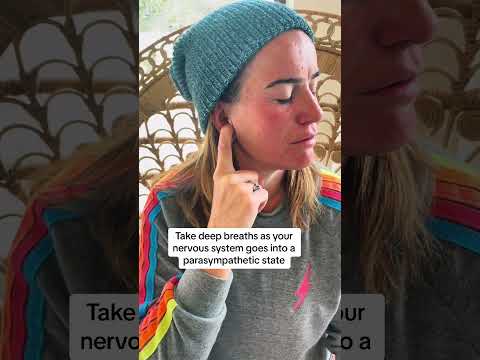
- Practice Mindfulness: Techniques like meditation or deep breathing exercises really help calm that racing mind of yours! Giving yourself just a few moments to breathe deeply can make a difference.
- Talk It Out: Seriously! Chatting with a friend or family member helps lighten the load. You don’t have to go through this alone!
Remember though: while these strategies are helpful for managing everyday stressors, they don’t replace professional help when needed. If your stress feels unmanageable or starts impacting your daily life severely; talking to someone trained is always the way to go!
In the end, understanding these four D’s gives you an upper hand in recognizing when you’re hitting those over-stress symptoms. It’s all about spotting them early and using those strategies like tools in your back pocket— ready whenever life throws challenges at you!
So, let’s talk about stress for a minute. You know how sometimes life just feels like too much? You go to work, juggle family stuff, and then there’s that never-ending pile of laundry waiting at home. Seriously, it can feel overwhelming. Stress can sneak up on you; one day you’re fine, and the next—boom! You’re feeling the weight of the world on your shoulders.
I remember a time when I was completely stressed out over a project at work. I stayed up late, caffeine became my best friend (which wasn’t great for my sleep), and my mood swung like a pendulum. I didn’t realize how stressed I was until a friend pointed out that I’d been snapping at everyone, even when they were just trying to help. It hit me hard—I wasn’t just tired; I was dealing with burnout.
Recognizing those over stress symptoms is crucial for your well-being. So often we think we can power through it, but ignoring those signs can lead to bigger issues down the line—like anxiety or physical problems that creep up when you least expect it.
So what should you look for? Well, physical symptoms might include headaches or stomach issues. Have you ever felt like your heart’s racing for no good reason? That’s another big red flag! Emotionally? You might find yourself more irritable or feeling super anxious about things that wouldn’t normally bother you. I mean, feeling a bit off is normal, but if it starts affecting your daily life and relationships—it’s time to pay attention.
And here’s the thing: it doesn’t have to be this way! Taking breaks becomes essential—whether that means stepping away from your desk for five minutes or going on a weekend getaway. You gotta find what works for you. Connecting with friends or family can be such an easy way to lighten your mood too. Seriously just sharing how you’re feeling—even if it’s venting over pizza—can make all the difference in the world.
So yeah, recognizing stress symptoms isn’t about labeling yourself as weak or anything; it’s about tuning into what your body and mind are trying to tell you. And taking action before things spiral out of control? That’s an act of self-love! Remember—your well-being truly matters in this crazy ride called life!