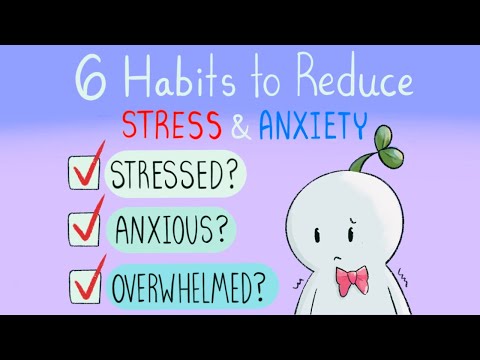
Hey you! Let’s chat about something that might hit close to home: stress. Not just any stress, but that intense, racing-heart kind. You know, the one that can creep up on you when you least expect it?
Este blog ofrece contenido únicamente con fines informativos, educativos y de reflexión. La información publicada no constituye consejo médico, psicológico ni psiquiátrico, y no sustituye la evaluación, el diagnóstico, el tratamiento ni la orientación individual de un profesional debidamente acreditado. Si crees que puedes estar atravesando un problema psicológico o de salud, consulta cuanto antes con un profesional certificado antes de tomar cualquier decisión importante sobre tu bienestar. No te automediques ni inicies, suspendas o modifiques medicamentos, terapias o tratamientos por tu cuenta. Aunque intentamos que la información sea útil y precisa, no garantizamos que esté completa, actualizada o que sea adecuada. El uso de este contenido es bajo tu propia responsabilidad y su lectura no crea una relación profesional, clínica ni terapéutica con el autor o con este sitio web.
Acute stress can slam into your life like a surprise snowstorm. One minute you’re chillin’, and the next you’re overwhelmed and unsure what to do. It’s wild how our bodies react sometimes, right?
So, what are the symptoms? And how can they mess with your vibe? Let’s dig into this together!
Understanding the Physical Symptoms of Acute Stress: Key Indicators and Management
Acute stress can hit you like a truck, and it’s totally normal to feel its effects in your body. You know that feeling when you’re about to go on stage or take a really big test? Your heart races, palms sweat, and sometimes it feels like you can’t breathe. That’s acute stress for you—it’s intense and usually short-lived. But hey, understanding what’s happening physically is super important.
When you’re stressed out, your body goes into fight-or-flight mode. This is an evolutionary response designed to help you deal with immediate threats. So let’s break down the physical symptoms you might experience.
- Increased Heart Rate: Your heart starts racing. It’s as if someone pressed the turbo button! You might feel this when watching a scary movie or facing tight deadlines.
- Shallow Breathing: Ever notice how your breathing gets quicker but not deeper? It’s like trying to blow up a balloon with tiny puffs instead of big ones.
- Tight Muscles: Stress can turn your muscles into rocks! Shoulders get stiff; back pain may kick in. Think of when you tense up while playing a challenging game.
- Sweating: You might break out in a sweat even if it’s not that warm outside. It could feel like you’re running a marathon in a sauna!
- Dizziness or Lightheadedness: Sometimes, chronic stress makes your head spin, making you feel unsteady—as if you’ve just stepped off a roller coaster.
- Digestive Issues: Stress can mess with your stomach too! Some people find they have butterflies—or worse—when they’re anxious.
These symptoms might seem overwhelming at times, but don’t forget: they’re just temporary responses to stressors. To manage these feelings effectively, consider some simple techniques.
- Breathe Deeply: Slow down your breathing with deep belly breaths—like blowing up that balloon the right way!
- Meditation and Mindfulness: Taking time to center yourself helps calm those racing thoughts and eases physical tension.
- Adequate Sleep: Sleep is crucial! It’s like pressing the reset button on all those stressful feelings.
- Physical Activity: Move around! Going for a walk or hitting the gym releases endorphins—those lovely mood elevators!
So remember, while these physical symptoms may feel intense during acute stress periods, they’re generally short-lived when managed well. If things escalate or linger longer than desired though? You should totally reach out for professional help—it could make all the difference.
In summary, knowing what acute stress feels like physically can help you address it more effectively before it spirals out of control. Just trust yourself and take those small steps towards managing it better!
Understanding Acute Stress Disorder: Symptoms, Causes, and Treatment Options
Acute Stress Disorder (ASD) can hit you like a bucket of cold water. It usually occurs after a traumatic event. You might experience symptoms that pop up quickly, often within three days of the event and lasting for up to a month. Let’s break this down.
Symptoms
When dealing with ASD, people can face a rollercoaster of emotions and reactions. Here are some common symptoms:
- Intrusive thoughts: These are unwanted memories or flashbacks about the traumatic event.
- Avoidance: You might start steering clear of places or people that remind you of what happened.
- Numbness: Feeling disconnected from yourself or your surroundings is pretty common.
- Hyperarousal: This is when you’re easily startled or feel on edge all the time.
- Difficulties sleeping: Can’t shut off your mind? That’s a big red flag.
One time, a friend of mine went through a scary car accident. For weeks afterward, every time they heard a loud noise, they’d jump or start sweating. It was tough to see them struggle with those moments, not knowing if they’d get back to their normal self.
Causes
So, what makes ASD happen? Well, it’s usually linked to experiencing or witnessing something really traumatic. Some things that can trigger it include:
- A serious accident
- A natural disaster
- Assault or violence
- The sudden death of someone close to you
Even if you’re not the one directly involved, just being around something horrifying can leave its mark. It’s like seeing in horror games where characters feel the weight of their experiences everywhere they turn.
Treatment Options
Now let’s talk about what you can do if you’re feeling this way. The good news? There are treatment options that really help! But remember, always reach out to a professional for guidance.
- Therapy: Talking about your experiences with a trained therapist can help process those feelings and memories.
- Cognitive Behavioral Therapy (CBT): This approach focuses on changing negative thoughts related to trauma into more positive ones.
- Anxiety Management: Learning ways to manage anxiety through relaxation techniques can be super beneficial.
- Medication: Sometimes doctors prescribe meds to help ease symptoms as you work through the emotional stuff.
It’s important to tackle these feelings head-on rather than shove them aside. Ignoring them usually doesn’t make them go away; they’re like an annoying pop-up ad—just keeps coming back!
Overall, dealing with Acute Stress Disorder means understanding your feelings and getting support when needed. Remember: it’s important to seek professional help for personalized care that fits your situation!
Effective Treatment Options for Acute Stress Disorder: A Comprehensive Guide
Acute Stress Disorder, or ASD, can hit you hard after a traumatic event. It’s that feeling of being on edge or like your mind is stuck in a loop. You feel totally overwhelmed by your thoughts and emotions. So, how can you treat it effectively? Let’s break it down.
Recognizing Acute Stress Symptoms
First off, it’s vital to recognize the symptoms of acute stress disorder so that you can tackle it head-on. These symptoms generally appear within three days to four weeks after a traumatic experience.
- Intrusive thoughts: You might get sudden flashbacks or nightmares about what happened.
- Avoidance: You could start steering clear of reminders related to the trauma.
- Negative mood: Feeling really down or emotionally numb is common.
- Heightened arousal: Things like trouble sleeping, irritability, or being easily startled could pop up.
One time, a friend of mine got into a car accident. For weeks afterward, he felt super anxious whenever he saw cars drive by. He was living in fear every day! Recognizing these feelings is step one toward getting help.
Effective Treatment Options
Now that we’ve got the symptoms on our radar, let’s talk treatment options. And remember—none of this replaces professional help!
- Therapy: Cognitive Behavioral Therapy (CBT) has shown great results for ASD. It helps you reframe negative thoughts and learn coping strategies. Just think about how in video games, players learn to adapt their strategies when faced with challenges—therapy works similarly!
- Mindfulness and relaxation techniques: Techniques such as meditation and deep breathing can really help calm your mind. It’s like hitting pause in a game when things get too intense.
- Medication: Sometimes doctors may prescribe medication like antidepressants or anti-anxiety drugs for short-term use while you’re working through therapy.
- Support groups: Talking with others who’ve experienced similar situations can offer comfort and insight. It’s like finding your squad in a multiplayer game; support makes all the difference!
- Psychoeducation: Learning about what you’ve been through and understanding your reactions is crucial for recovery. This knowledge helps normalize your feelings and makes them easier to manage.
In my experience with friends who’ve faced tough times, they often underestimated the power of sharing their stories until they found groups where they felt heard.
The Importance of Seeking Help
You might think you can handle it all on your own, but seriously—getting support from professionals is key! They have tools and insights that can make all the difference in navigating through this tough road.
In short, acute stress disorder doesn’t have to control your life forever—recognizing the symptoms early on and seeking treatment options is hugely beneficial. The path might seem rocky at first but taking these steps will set you on a better course.
Always remember, reaching out for help isn’t a sign of weakness; it’s actually pretty brave! You’re not alone in this journey; there are people ready to help you find your way back to feeling like yourself again.
You know, stress is such a common part of life, but not all stress is created equal. There’s this thing called acute stress, which can pop up in response to sudden changes or traumatic events. It hits you like a ton of bricks, right? I remember once when I was waiting for the results of a job interview. My heart was racing and my palms were sweaty; it felt like I had just run a marathon without even moving! That’s what acute stress feels like.
So, let’s break it down. Acute stress usually comes from specific events—a car accident, a tough breakup, or even something as simple as giving a presentation at work. You’re caught off guard and your brain goes into overdrive. It triggers your fight-or-flight response. That’s why you might feel jittery or anxious. Seriously, it’s like your body is preparing for battle!
You might notice physical symptoms too: headache? Check. Insomnia? Yup! Maybe your stomach feels churning—definitely part of it too. And let’s not skip over the emotional rollercoaster that can come along: irritability, sadness… maybe even feeling overwhelmed by the littlest things.
But here’s the kicker: while acute stress can make you feel pretty awful in the moment, it’s also somewhat normal and temporary… unless it hangs around way too long and starts to affect little things in your daily life—like how you interact with friends or handle work tasks.
The effects can be sneaky though! Eventually, if left unchecked, that acute stress can morph into chronic stress—like some unwelcome houseguest who just won’t leave. Over time this could mess with sleep patterns and even impact your immune system—you know what I’m saying?
So how do you manage this whirlwind of feelings? Well, sometimes just talking to someone about what you’re going through helps lighten the load a bit. Or maybe taking a moment to breathe deeply when life feels overwhelming—I mean really focusing on each breath.
Understanding these symptoms is key so that we stay aware when our bodies are trying to tell us something’s off. It’s totally okay to take a step back and recognize when you’re feeling that surge of anxiety or pressure—everyone deals with it at some point.
In the end, being kind to yourself during these times is super important; you’re navigating through something that many people experience but rarely talk about openly. Just remember: it’s alright to seek help if you’re feeling stuck!