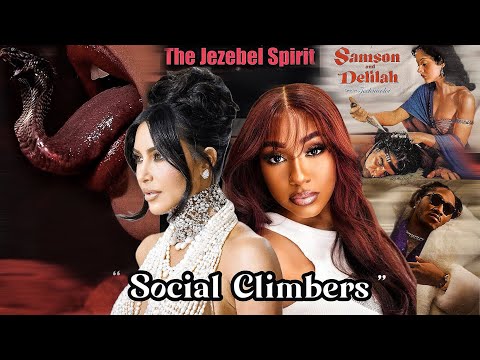
You know that feeling when you hear a name and it just sticks with you? Delilah is one of those names. It’s not just a story from long ago; it packs a punch.
Este blog ofrece contenido únicamente con fines informativos, educativos y de reflexión. La información publicada no constituye consejo médico, psicológico ni psiquiátrico, y no sustituye la evaluación, el diagnóstico, el tratamiento ni la orientación individual de un profesional debidamente acreditado. Si crees que puedes estar atravesando un problema psicológico o de salud, consulta cuanto antes con un profesional certificado antes de tomar cualquier decisión importante sobre tu bienestar. No te automediques ni inicies, suspendas o modifiques medicamentos, terapias o tratamientos por tu cuenta. Aunque intentamos que la información sea útil y precisa, no garantizamos que esté completa, actualizada o que sea adecuada. El uso de este contenido es bajo tu propia responsabilidad y su lectura no crea una relación profesional, clínica ni terapéutica con el autor o con este sitio web.
There’s something about her that resonates, right? All the layers of power and influence tied to her story are pretty fascinating.
So, why does she matter? Well, Delilah represents a kind of feminine strength that goes way beyond just what’s on the surface. It’s deep and complex.
Let’s talk about how her spirit connects with us today. Seriously, there’s so much to unpack here!
Understanding Feminine Energy in the Bible: A Biblical Perspective on Its Role and Significance
Feminine energy in the Bible is a really interesting topic, full of depth. It offers a unique lens through which we can understand women’s roles, influence, and power. You might wonder how these themes intertwine within the biblical narrative, right? Well, let’s break it down together!
First off, when we talk about feminine energy in a biblical context, it doesn’t mean just being soft or gentle. It’s more complex than that! Feminine energy includes traits like intuition, nurturing, and even strength. Think of characters like Esther or Deborah, who showed remarkable courage and wisdom.
Now there’s also the Delilah spirit to consider. This character often gets portrayed as manipulative or treacherous, especially in her relationship with Samson. But here’s the thing: Delilah represents the power of influence. She used her femininity to affect Samson tremendously. It raises questions about women’s influence—how can it be both a gift and a challenge?
Your influence can come from different sources: emotions, intuition, or even social skills. Yet it can lead to different outcomes depending on how it’s used. So what’s fascinating is that this duality is reflected in many biblical stories.
- The story of Esther: She risked her life to save her people using wisdom and charm.
- Deborah: A warrior and prophetess who led Israel with strength and courage.
- Eve: Often blamed for humanity’s fall but also symbolizes creativity as she participated in creation itself.
These examples show different sides of feminine energy—some uplifting and others complex.
The broader question here is about balance. In the Bible, feminine energy isn’t only celebrated; it’s cautioned against too! Just think about how Delilah’s choices led to negative consequences for Samson; it highlights that misusing influence can create chaos.
So what does all this mean for us today? Well, understanding these aspects helps us appreciate the powerful roles women have had throughout history—even if they faced enormous challenges!
In your own life, you might find yourself tapping into this kind of energy without realizing it. Maybe you’re nurturing friends or using your intuition in tough decisions—these are all forms of that feminine pull at work.
But remember: all forms of power come with responsibility! It’s vital not to forget that wielding influence should ideally uplift everyone involved—not just yourself.
At the end of the day, examining feminine energy through a biblical lens gives us rich insights into both historical narratives and our personal lives today. It’s not only about getting things done—it’s about connection, impact, transformation—what do you think?
Understanding the Jezebel and Delilah Spirits: Their Psychological Impact and Characteristics
The Jezebel and Delilah spirits are often talked about in both religious and psychological circles, appearing in discussions about feminine power and influence, particularly in negative contexts. They represent two distinct forms of manipulation and allure.
The Jezebel spirit is characterized by manipulation and seduction. This spirit embodies traits like deceitfulness, control, and a fierce desire for dominance. Think of it as that character who lures others with charm, only to exploit their weaknesses. People exhibit this spirit when they prioritize self-gain over genuine relationships. It’s like in some video games where characters pretend to help the player but are actually working against them.
On the other hand, the Delilah spirit showcases a more seductive approach. While both spirits operate on manipulation, Delilah represents femininity intertwined with allure. She uses her charm not just to control but also to enchant. This connection to feminine power is deep; it can be empowering or destructive depending on the intent behind it.
Now here’s where it gets interesting: both spirits can impact behavior dramatically. For instance, someone embodying a Jezebel spirit might constantly undermine others’ confidence or create drama for their own amusement. You know that friend who always seems to pull everyone into their chaotic world? That might be something similar!
In contrast, those leaning towards a Delilah-like influence can draw people in with charisma yet may leave them feeling drained later on. You may feel enchanted at first but then realize you’ve been manipulated into doing things you wouldn’t normally choose.
Here are a few characteristics of these spirits:
- Jezebel: Intimidation tactics; offers false promises; thrives on chaos.
- Delilah: Uses sexual allure; plays on emotions; gains trust through charm.
- Psychological Impact: Long-term effects include anxiety, low self-esteem, and doubt.
- Feminine Power: Can inspire empowerment when used positively but can also lead to toxic behaviors.
It’s crucial to recognize these traits in yourself or others without jumping to conclusions about morality or value. I mean, we all have our bad days!
Anecdotal point: I once knew this girl who had an incredible ability to make people feel special—she had that Delilah vibe down perfectly! But as time went on, I realized she would often disappear after getting what she wanted from her friends. It was like being part of a fantasy game where you realize too late you’ve been duped by a charming NPC.
But here’s the kicker: it’s essential NOT to demonize women embracing their power simply because they exhibit traits associated with these spirits. It’s all about balance and intent behind actions.
As always though, if you’re dealing with situations heavily rooted in manipulation or feeling overwhelmed by such energies—seeking professional help is vital! It’s okay not to navigate this complex landscape alone; there are therapists who specialize in relationships and personal empowerment that can guide you through understanding these dynamics more fully.
So next time you come across these concepts—whether during coffee chat or even while gaming—pay attention! Recognizing Jezebel and Delilah influences might just help clarify some complex human interactions we all experience from day-to-day!
Jezebel vs. Delilah: Key Differences in Character, Influence, and Psychological Impact
Jezebel and Delilah are two fascinating figures from biblical history, each with their own unique characteristics and psychological impact. While both women are often viewed through a lens of manipulation and seduction, their stories reveal deeper themes regarding feminine power and influence.
Jezebel is typically seen as a symbol of defiance against male authority. She was assertive, ambitious, and not afraid to use her sexuality to achieve her goals. Her story unfolds in the context of a patriarchal society where her strength was both feared and reviled. Jezebel’s influence can be seen in how she manipulated King Ahab to pursue her own agenda, leading to significant consequences for both herself and the people of Israel.
On the other hand, Delilah embodies a different aspect of feminine intrigue. She is often portrayed as seductive yet tragic—her story is about betrayal rather than direct ambition. Delilah’s relationship with Samson illustrates the complexities of love mixed with deceit. Unlike Jezebel’s overt control, Delilah used emotional intimacy to undermine Samson’s strength.
So, what’s the psychological impact here?
Now let’s talk about their influence on modern psychology. The concept of the «Delilah Spirit» connects deeper ideas about feminine power and influence that are still relevant today. Women might tap into this archetype when navigating personal relationships or seeking empowerment in a world that can feel overwhelmingly patriarchal.
Think about it like a video game: Jezebel could be seen as the fierce boss you encounter at a high level—tactics heavy on aggression, ready to defeat challengers without remorse. Meanwhile, Delilah might be more like a stealthy character whose charm and cunning allow her to gain access without brute force—instead she uses strategy over strength.
These figures prompt us to reflect on our own stories too! Have you ever felt more like Jezebel or Delilah in certain situations? It’s interesting how these archetypes resonate within our personal experiences.
In the end, recognizing these characters helps us understand our own motivations and behaviors better; however it does not replace professional help if you’re dealing with deeper issues related to power dynamics or relationships. Embracing aspects of either character doesn’t define who we are but sheds light on personal growth opportunities instead!
You know, when I first stumbled upon the idea of the Delilah spirit, I thought, «Wow, isn’t that just about betrayal and bad choices?» But honestly, it’s way deeper than that. It’s like a whole vibe of feminine power and influence that we often overlook. Seriously, think about it: Delilah isn’t just a character; she represents so much more.
I remember this one time when I was having coffee with my friend Jen. She’s strong-willed and fiercely independent. We were chatting about women who inspire us, and she brought up Delilah – not in the typical sense of betrayal but as a woman who knew her worth and wasn’t afraid to use her influence. That conversation stuck with me. It made me realize how often women are painted in a negative light for taking control or making powerful moves. Delilah did what she thought was right for her, even if it challenged societal norms.
What’s fascinating is how the narrative around Delilah has been shaped over time. She’s been villainized for using her charm and intelligence to navigate a male-dominated world. You’d think that kind of savvy would be applauded! Instead, we see a tendency to put those traits under wraps – kind of like saying women shouldn’t embrace their power fully because it might upset the status quo.
Let’s take a moment to reflect on real-life examples too. Think about women throughout history who’ve had to navigate tricky waters while maintaining their strength and influence. From political leaders to artists breaking barriers, they face criticism simply for being assertive or ambitious. The societal expectation often still leans toward being nurturing rather than commanding.
So when we talk about the Delilah spirit in this light, it’s really an invitation to reclaim female strength without feeling guilty or apologetic about it. It’s about recognizing that power doesn’t always look aggressive; sometimes it’s calm confidence wrapped in cunning strategy.
In the end? It leaves us with an important question: How can you channel your inner Delilah while staying true to yourself? Whether you’re making big life choices or standing up for what you believe in – embracing your influence can be incredibly empowering! So yeah, let’s celebrate that spirit instead of shunning it!