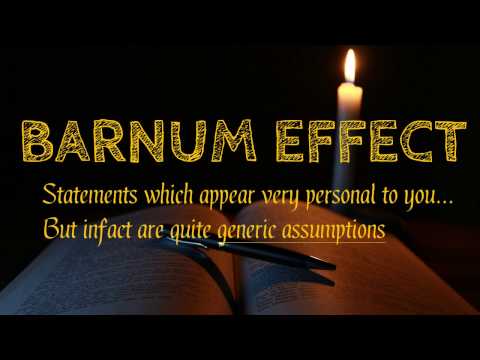
Ever heard someone say something that just hit home? You know, those statements that make you feel like they really get you?
Este blog ofrece contenido únicamente con fines informativos, educativos y de reflexión. La información publicada no constituye consejo médico, psicológico ni psiquiátrico, y no sustituye la evaluación, el diagnóstico, el tratamiento ni la orientación individual de un profesional debidamente acreditado. Si crees que puedes estar atravesando un problema psicológico o de salud, consulta cuanto antes con un profesional certificado antes de tomar cualquier decisión importante sobre tu bienestar. No te automediques ni inicies, suspendas o modifiques medicamentos, terapias o tratamientos por tu cuenta. Aunque intentamos que la información sea útil y precisa, no garantizamos que esté completa, actualizada o que sea adecuada. El uso de este contenido es bajo tu propia responsabilidad y su lectura no crea una relación profesional, clínica ni terapéutica con el autor o con este sitio web.
Well, that’s the magic of Barnum statements. They’re like those fortune cookies that seem to know your life story, even when they’re all vague and general.
You’ve probably experienced it yourself. A random comment or an observation makes you nod along because it resonates so perfectly. It’s kinda wild how a few simple words can feel so personal, right?
So, let’s chat about how these sneaky little phrases work in communication. Trust me, it’s way more interesting than it sounds!
Understanding the Barnum Effect: Insights into Personalized Statements and Their Psychological Impact
Have you ever read something about yourself that felt spot on, even though it was super vague? That’s the Barnum Effect in action! This psychological phenomenon happens when people believe that general or vague statements about personality apply specifically to them. Basically, it’s like getting a cookie-cutter description that somehow feels tailor-made for your life.
The term comes from Phineas Taylor Barnum, the famous circus showman who knew a thing or two about making people feel special. He’s often quoted saying, “We’ve all got something for everyone.” And isn’t that the truth? So let’s break down how this works and why it matters.
- Vague Statements: The key to Barnum statements is their ambiguity. For instance, if someone says, “You have a great need for others to like and admire you,” it could resonate with just about anyone! It’s broad and kind of flattering, right?
- Personalization: We naturally tend to personalize these statements. It’s like when you play those online quizzes that tell you what type of potato chip matches your personality. You answer a couple of questions and bam! You’re suddenly convinced you’re a classic salted chip—so relatable!
- Confirmation Bias: This is where it gets interesting. We have this tendency to notice things that confirm our beliefs while ignoring what doesn’t fit. So if you read a fortune cookie that says something like, “Exciting adventures await,” what do you focus on? The adventure part! You might overlook how vague it is.
- Social Influence: Sometimes, these types of statements are used in psychic readings or horoscopes. People often believe they’re receiving insights catered just for them; it’s an ego boost! You know how some friends swear by their astrology signs? They’ll point out traits from their horoscopes as if they were etched in stone.
- The Role of Context: Context matters too. If someone is feeling down or uncertain about themselves, they may be more susceptible to accepting Barnum statements as truth compared to when they’re in high spirits. Emotional states can really affect perception!
In every day life, we encounter these statements all the time—be it through social media influencers doing personality tests or those quirky BuzzFeed quizzes popping up everywhere! They create an illusion of depth without requiring much specific information—which is pretty wild when you think about it.
Anecdote time—last year, I took one of those personality quizzes just for fun. Honestly? I laughed at how spot-on some answers seemed while others were kinda generic (like saying I’m introverted yet love being around close friends). But hey, I ate it up because we all want validation sometimes!
Understanding the Barnum Effect helps us see through these vague flattery traps. While it’s nice to feel understood by some random words on a screen, remember: they’re crafted in such a way that almost anyone can relate on some level.
If you’re feeling overwhelmed by any specific doubts or uncertainties about yourself though—just talking to someone professional can help clarify things way better than any cookie-cutter statement.
So next time you find yourself resonating deeply with something that seems too general—take a pause and think: Could this be the Barnum Effect at work? Often enough, it probably is!
Understanding the Barnum Effect: Why We Find Meaning in Vague Statements About Ourselves and Others
The Barnum Effect is one of those super cool quirks of human psychology that explains why we sometimes feel like vague statements are spot on when they’re really just, well, vague. You know what I mean? It’s named after P.T. Barnum, the circus guy who was all about making things sound appealing and mysterious. So let’s unpack this together!
What is the Barnum Effect?
It’s when you see a general statement or description that could apply to anyone, and yet it feels like it was crafted just for you. It’s like those horoscopes or personality tests you find online. They often say something broad but relatable: “You have a strong need for others to like and admire you.” Who doesn’t?
- Vagueness is Key: The statements are often so general that they can fit a lot of people.
- Confirmation Bias: Once we read something, we tend to focus on parts that resonate with our own experiences.
- Emotional Connection: If it triggers an emotional response, we’re more likely to believe it applies to us.
Let me take you back for a second. A few years ago, I tried one of those personality quizzes that promised to reveal my true self in just ten questions. The result said I’m “enthusiastic but can be reserved in unfamiliar situations.” Honestly, I was completely blown away! It felt so accurate! But then I thought about it more…and realized—well duh! Most people feel enthusiastic about something but might hold back around strangers.
The Role in Communication
Now here’s where it gets interesting: The Barnum Effect plays a significant role in how we communicate with others. When someone drops a vague compliment or even criticism, it can stick with us much longer than if they said something specific.
You know? Like if your friend says, “You really shine in group settings,” versus “You did great at last week’s meeting.” The first statement feels uplifting because it’s more impactful emotionally—even though it’s less specific and could apply to lots of folks!
- Manipulation Factor: Some people can exploit this effect intentionally, using broad statements to persuade others.
- Skepticism Needed: Recognizing the vagueness helps counteract its persuasive power.
Think about magicians or mentalists who use this effect during performances. They make broad claims as if they’ve read your mind! Yet all they’re doing is playing into what we already believe about ourselves. Seriously clever!
Coping with the Barnum Effect
Being aware of the Barnum Effect doesn’t mean you should dismiss everything that resonates with you; rather, consider the source and context. Here are ways you can navigate these statements better:
- Doubt Its Specificity: Ask yourself how many people could relate to the same statement.
- Your Feelings Matter: Just because it’s vague doesn’t mean it isn’t meaningful—just keep perspective!
- Avoid Over-interpretation: Not every comment holds deep meaning. Sometimes it’s just that—an observation!
In essence, while the Barnum Effect shows how easily our minds can fill in gaps based on generalities, learning more about this bias helps us communicate better and connect genuinely.
So next time you stumble across a mysterious horoscope or an ambiguous compliment from a friend—take a beat! Recognize its potential power over your thoughts while keeping your wits about you. And just remember: This insight doesn’t replace professional advice if you’re struggling; seeking help from qualified individuals is always best!
That’s pretty much the lowdown on why we find meaning in those vague statements! It’s fascinating how our brains work sometimes, right? You got this!
Understanding the Barnum Approach: A Key Concept in Psychological Insight
The Barnum Approach, also known as the Barnum Effect, is a really interesting concept in psychology. This idea explains how people tend to believe vague and general statements about themselves, as if they are specifically accurate. You know, it’s like when you read your horoscope and think, “Wow, that’s so me!” even though it could apply to anyone. Let’s break it down a bit.
What Are Barnum Statements?
Barnum statements are those broad declarations that seem personal but are actually applicable to many people. They work because they capitalize on our tendency to see ourselves in things that resonate with our experiences or feelings. Here are some classic examples:
- «You have a need for other people to like and admire you.»
- «At times, you feel insecure about your abilities.»
- «You have a great deal of unused potential.»
These statements sound specific but could describe just about anyone. It’s kind of wild when you think about it!
How Does This Work?
The magic of Barnum statements lies in our cognitive biases. We naturally focus on parts that match our lives or personalities while ignoring the parts that don’t fit. So we end up believing these generalized truths apply just to us. That’s why psychics or fortune tellers can be surprisingly convincing.
Imagine playing a game where you get a fortune cookie with a message inside. If the cookie says something like “Soon, an unexpected event will bring joy,” you’re likely going to nod along because who doesn’t have unexpected things happening?
The Power and Influence
This approach is powerful because it taps into human nature—the desire for connection and understanding. It’s often used in communication strategies, from marketing to motivational speeches. When someone tells you something that feels personal—even if it’s vague—you’re more likely to engage with them or trust their authority.
But there’s also a flip side! These statements can sometimes lead people astray by making them feel understood when they really shouldn’t take advice based on these broad claims alone.
Cautionary Notes
While this concept sounds fun and intriguing, remember that it doesn’t replace professional help when needed! If someone is struggling with mental health issues or deeply personal problems, generalized statements won’t provide effective guidance or support.
Just keep in mind: while the Barnum Effect can make ordinary communication feel personal and engaging, critical thinking should always be part of your toolkit—just like in any good game strategy!
In the end, being aware of how powerful these statements can be helps us not only see through them but also understand ourselves better too! So next time you hear something that makes you go “Hmm,” just keep your radar up—because sometimes what sounds like insight might just be another Barnum statement at play.
You know those times when someone tells you something so spot on about yourself that it feels almost like magic? Like they really get you? That’s the power of Barnum statements. They’re like those vague yet specific phrases that somehow resonate deeply with us, making us nod our heads in agreement.
For example, I remember chatting with a friend once who was feeling down. The conversation drifted to astrology, and she mentioned how her horoscope said she had a mix of confidence and insecurity. Honestly, it was such a broad statement that it could apply to anyone. Yet, she lit up and said, «Wow, that’s exactly how I feel!» There you have it—classic Barnum effect in action.
Barnum statements are basically those generalities we all connect with—like “You have a great need for other people to recognize your worth” or “At times you can be introverted, but other times you’re outgoing.” They hit close to home because they reflect human experiences we all share but don’t usually talk about. It’s almost comforting in a way.
So why do these statements work so well? Part of it is our natural tendency to find patterns and meaning in things. When someone tells us something vague yet seemingly personal, our brains kick into gear, filling in the gaps and interpreting the message uniquely for ourselves. It’s like wearing rose-colored glasses; everything suddenly seems tailor-made for us.
But here’s where it gets interesting: this effect pops up not only in astrology but also in psychology tests and even marketing messages! You might see ads saying things like “This product will help your busy life,” which makes you think, “Oh wow! That’s totally me!” Even if it’s just a clever trick!
Ultimately, understanding Barnum statements can help you navigate communication better—you start seeing through the fluff and realizing how easily our feelings can be swayed by cleverly crafted words. It makes interactions richer when you’re aware of these nuances—like seeing behind the curtain at the Wizard of Oz!
So next time someone nails your personality in an almost spooky way, ask yourself if it’s really them knowing you or if they’re just tapping into that universal human experience we all share. It’s pretty eye-opening stuff!