You know what’s wild? We often rush into things without really thinking about where we want to end up. I mean, think about it. Ever started a project and then wondered why you even began in the first place? Yep, me too!
Este blog ofrece contenido únicamente con fines informativos, educativos y de reflexión. La información publicada no constituye consejo médico, psicológico ni psiquiátrico, y no sustituye la evaluación, el diagnóstico, el tratamiento ni la orientación individual de un profesional debidamente acreditado. Si crees que puedes estar atravesando un problema psicológico o de salud, consulta cuanto antes con un profesional certificado antes de tomar cualquier decisión importante sobre tu bienestar. No te automediques ni inicies, suspendas o modifiques medicamentos, terapias o tratamientos por tu cuenta. Aunque intentamos que la información sea útil y precisa, no garantizamos que esté completa, actualizada o que sea adecuada. El uso de este contenido es bajo tu propia responsabilidad y su lectura no crea una relación profesional, clínica ni terapéutica con el autor o con este sitio web.
Here’s a thought: what if you took a moment to picture your goal before jumping in? Seriously, it can change everything. It’s like planning a road trip—you wouldn’t just hop in the car and drive aimlessly, right?
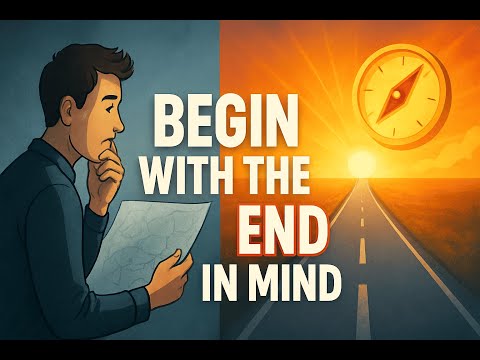
So, let’s chat about “Habit 2: Begin with the End in Mind.” It’s all about clarity and focus, my friend. It’s like setting a destination before hitting the gas. Ready to find out how this mindset can transform your journey? I promise it’ll be worth it!
Understanding the Meaning of End in Habit 2: Begin with the End in Mind
Alright, let’s chat about the second habit from Stephen Covey’s «The 7 Habits of Highly Effective People»: Begin with the End in Mind. This habit is all about having a clear vision of what you want to achieve before you start. It’s like playing your favorite video game; you’ve got to know your goal, right? Whether it’s saving the princess or collecting all the coins, having that end goal makes the journey a lot clearer.
So, what does it really mean to begin with the end in mind? Basically, it’s about setting a direction for your life and defining your long-term goals. This gives you purpose and shapes your choices. You wouldn’t just jump into a game without understanding your mission; life works similarly!
- Clarity: Knowing where you want to go helps you make smarter decisions along the way. If you’re aiming for a specific career, for instance, you might choose subjects in school that support that goal.
- Focus: With an endpoint in mind, distractions become easier to spot and filter out. If someone asks you out for coffee during crunch time at work but it’s not aligned with your goals – maybe skip it!
- Motivation: When things get tough, remembering why you started can keep that fire burning. Think about those tough levels in games where you’ve almost given up but remember why you’re playing – it pushes you through!
You know what? Sometimes I think back on my own life choices and realize I didn’t always start with an end goal. Like that time I decided to pick up guitar because friends were doing it. I had no real vision or plan beyond learning some chords! And honestly? It was kind of a messy experience with no real outcome.
This habit encourages us to take a moment and envision our future. You might even create a personal mission statement. Jot down what matters most to you; family, career success, personal growth – really anything! This statement acts like a compass guiding your actions.
The cool part is that this doesn’t have to be set in stone; flexibility is key! As we grow and change (which we totally do), those goals can evolve too.
- Create Your Vision: Take time to visualize where you see yourself in five or ten years. What do you want from life?
- Define Values: Identify core values that will guide your decisions – honesty, compassion, creativity – whatever resonates with you!
- Create Goals: Break down that big vision into smaller goals so it’s not so overwhelming.
A reminder though: this isn’t just about achieving more stuff or climbing ladders – it should be about fulfilling what’s meaningful for *you* personally! So if you’re gaming hard towards one ultimate level but discover another side quest sparks joy instead? Go after *that* too!
This mindset may require practice but trust me; once you’ve started focusing on your end goals first, the difference can be pretty amazing. Just remember: it’s always okay to ask for help if you’re feeling stuck or lost on this journey. You don’t have to tackle everything alone!
The moral of the story? Having an endpoint in mind creates clarity and direction amidst life’s chaos. So seriously consider what matters most while shaping your path forward!
Understanding Habit 2 of the 7 Habits: The Importance of Beginning with the End in Mind
We all have dreams, right? But how often do we actually think about how to get there? That’s where the concept of “beginning with the end in mind” comes into play. It’s one of the seven habits outlined by Stephen Covey, and it’s all about having a clear vision of what you want to achieve before you dive in. This isn’t just some fluffy idea; it can genuinely change the way you live your life!
When you start thinking about your goals, it’s like setting up a game plan. Imagine you’re playing chess. You wouldn’t just move your pieces without thinking about your strategy and what victory looks like! Setting a goal gives you direction, kind of like knowing the finish line in a race.
So let’s break this down a bit:
- Clarity is crucial: Picture yourself standing in front of your dream house. What does it look like? What kind of life do you want to live there? The clearer your picture is, the easier it’ll be to take steps toward making that dream a reality.
- Define your values: Think about what’s really important to you. Is it family, career success, personal growth? Knowing this helps you align your goals with what truly matters.
- Create a mission statement: This might sound fancy, but it’s just a simple declaration of your purpose and values. It helps keep you grounded when life gets crazy!
- Visualize success: Close your eyes for a moment and imagine yourself achieving that big goal. How does it feel? That emotional connection can be super motivating!
Here’s an example: Let’s say you’ve always wanted to write a book. Instead of just telling yourself, “I should write,” start by visualizing what that finished book looks like sitting on some bookshelf. How will readers feel holding it? What impact do you want those pages to have? When you begin with this end in mind, writing each chapter becomes way more meaningful.
Now don’t get me wrong; life is unpredictable! Sometimes things don’t go as planned, and that’s totally okay. The key is still having that vision; it’s like having GPS: if you take a wrong turn, at least you know where you’re supposed to be going.
To wrap up this thought: beginning with the end in mind isn’t about rigidly sticking to a plan but rather setting intentions and guiding yourself toward them. So whether it’s small daily actions or grand life aspirations, keeping that end vision clear can help steer your decisions and ultimately lead to fulfillment.
And hey, if you’re feeling stuck or overwhelmed while figuring out these big goals – remember talking with someone might help too! A professional can offer insights tailored specifically for *you*.
Keep dreaming big!
Exploring Stephen Covey’s Most Impactful Quote and Its Insights on Personal Effectiveness
So, let’s chat about a quote that’s made quite an impact over the years: “Begin with the end in mind.” This little gem comes from Stephen Covey’s book on personal effectiveness. It’s part of his famous *7 Habits of Highly Effective People* and really speaks to the heart of how we can shape our lives with intention, you know?
What does it mean to «begin with the end in mind»? Well, it suggests that before you jump into any project or endeavor, you should have a clear idea of your ultimate goal. Imagine playing a video game—you wouldn’t just start pressing buttons without knowing what you’re trying to accomplish, right? You’d want to know where you’re headed, what level you want to reach, or what prize you’re aiming for.
Here’s where it gets interesting. When we take a second to visualize our desired outcomes, it makes every step we take much more purposeful. It’s like drawing a roadmap first before hitting the road.
Let’s break down some key insights from this idea:
- Clarity is Key: Having a clear vision helps you prioritize what really matters. What do you want for your career? Your personal life? Even your relationships? Knowing this can guide your decisions.
- Motivation Booster: When you focus on your end goal, it becomes easier to stay motivated through challenges. Picture yourself at the finish line—it makes running that race feel worth it!
- Better Decisions: If you’re aware of where you want to go, you’ll make choices that align with those goals. Should I take this job? Does this relationship support my vision for myself?
- Avoiding Regret: Think about reflecting back on your life one day—wouldn’t it be great to feel proud of how far you’ve come and not wish you’d done things differently?
Here’s an emotional nugget for ya: I once knew someone who was constantly drifting through life—jobs were taken as they came and relationships felt more like random events than anything meaningful. One day they paused and wrote down what they really wanted; they dreamt of being an artist but had settled for being stuck in a mundane office job. That moment marked a huge shift in their path! They began focusing on their art—attending classes and showing up at galleries—and guess what? They felt alive again.
So, how can we start applying this habit? Just grab some paper (or open up your notes app), and write out **your vision**. What do you see yourself achieving in five or ten years? Don’t hold back!
Remember: while Covey’s insights are powerful tools for personal effectiveness, everyone’s journey is unique. Sometimes chatting with someone—a friend or even a pro—can really help clarify those visions when you’re feeling stuck.
In the end, this approach isn’t just about planning but also about creating a fulfilling life that aligns with who you truly are deep down inside! And isn’t that really what we all want?
So, you know how sometimes we’re just kind of floating through life? Like, we wake up, go through the motions, and before we know it, another week has zipped by. I’ve totally been there! But then there’s this idea of “begin with the end in mind” that really shakes things up. It’s like bringing a map to your life instead of just wandering around and hoping you stumble into something good.
I remember when I was planning my first big road trip. It was super exciting but honestly a bit overwhelming too. I had a million places I wanted to see but no real plan. So one night, I pulled out a notebook and wrote down what I pictured at the end of my journey—people laughing at campfires, awe-inspiring views, maybe even some spontaneous adventures along the way. Just those little images made me feel so much more grounded! Then it clicked: if I wanted to have that kind of experience, I needed to chart out a route and make choices that aligned with that vision.
Now let’s break it down a bit. Starting with the end in mind is basically about having a clear intention for what you want your life or project to look like when it’s all wrapped up. Whether it’s your career goals or even just planning your weekend—it all starts with figuring out what success means for you. And yeah, some people might think that’s too structured or serious, but honestly? It actually frees you up!
When you’re clear about where you’re headed, it becomes easier to say no to stuff that doesn’t fit into your vision. It’s like if you’re on a diet and someone offers you cake—you remember why you’re doing it and stick with your goals instead of getting sidetracked.
But hey! This isn’t about making everything perfect or painfully rigid; life is unpredictable, right? Sometimes your path might twist and turn in ways you didn’t expect. Sometimes it’s okay to veer off course because new opportunities pop up! But at least having that initial direction helps keep you anchored.
In a nutshell—the «begin with the end in mind» thing isn’t just some fancy phrase; it’s actually super powerful. It can help clarify priorities—whether that’s deciding on relationships or job moves—and create motivation when things get tough.
So next time you’re feeling lost or aimless, just take a moment to visualize where you want to be someday. Picture yourself reaching those dreams—not as distant stars but as something truly attainable with each step you take today. And trust me; there’s something exhilarating about seeing paths unfold from that clear vision!