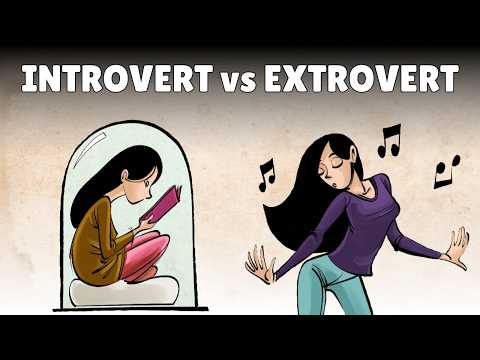
You know how some people just light up a room? They’re all about the chatter and the laughter. Then, there are those who prefer the cozy corner with a book.
Este blog ofrece contenido únicamente con fines informativos, educativos y de reflexión. La información publicada no constituye consejo médico, psicológico ni psiquiátrico, y no sustituye la evaluación, el diagnóstico, el tratamiento ni la orientación individual de un profesional debidamente acreditado. Si crees que puedes estar atravesando un problema psicológico o de salud, consulta cuanto antes con un profesional certificado antes de tomar cualquier decisión importante sobre tu bienestar. No te automediques ni inicies, suspendas o modifiques medicamentos, terapias o tratamientos por tu cuenta. Aunque intentamos que la información sea útil y precisa, no garantizamos que esté completa, actualizada o que sea adecuada. El uso de este contenido es bajo tu propia responsabilidad y su lectura no crea una relación profesional, clínica ni terapéutica con el autor o con este sitio web.
Crazy, right?
Well, that’s kind of what it boils down to—introverts and extroverts. Two different vibes in one big world. It’s not just about being shy or outgoing.
There are layers to this whole thing!
If you’ve ever wondered why your friend can’t get enough of parties while you’re counting down the minutes until you can sneak away, stick around! We’re gonna break it all down together in a way that makes sense—no psychology degree needed!
Understanding the Differences Between Introverts and Extroverts in Psychology
So, you know, the whole introvert versus extrovert thing can be kind of confusing at times. It’s like trying to figure out if you should binge-watch a series alone or hang out with friends, right? Both types have their own unique traits that shape how they interact with the world.
Introverts are those who recharge their batteries by spending time alone. They might enjoy quiet evenings reading a book or sipping coffee while looking at the stars. It’s not that they don’t like people; they just find social environments a bit draining after a while. You know what I mean? Think of an introvert as someone who’s totally cool with being solo on a Friday night.
On the flip side, we’ve got extroverts. These folks thrive in social situations and get energized by being around other people. They tend to love parties and chatting it up with anyone who’ll listen. Picture an extrovert as that friend who always drags you out when you’d rather stay in your pajamas—sometimes annoying but always fun!
- Sociability: Extroverts tend to seek out social interactions while introverts prefer smaller groups or solitary activities.
- Energy Source: Introverts recharge through solitude; extroverts gain energy from being around others.
- Communication Style: Introverts often think before they speak, making them great listeners, whereas extroverts are more spontaneous in conversation.
- Activity Preference: Introverts might choose quiet hobbies like reading or painting, while extroverts may lean towards group sports or events.
A cool example is when you’re playing video games with friends. An introvert might prefer gaming solo because it lets them focus and destress after a long day. An extrovert would likely enjoy multiplayer games where they can chat and strategize together, feeding off the energy of their teammates!
The neatest thing about this whole deal is that many people aren’t strictly one or the other—they’re often somewhere in between, known as ambiverts! This means they can enjoy both solitude and socializing depending on their mood or the situation. Like me last week: I had one night all to myself watching my favorite show, but then I couldn’t resist hitting up a friend’s birthday party the next night!
No matter where you fall on the spectrum, knowing whether you’re an introvert or an extrovert helps you understand yourself better—and maybe helps your friends too! It’s all about finding balance, so don’t feel pressured to change if you lean one way more than another. Seriously! Recognizing your style leads to healthier relationships and better self-care routines.
If you’re still feeling confused about yourself or someone else, don’t hesitate to reach out for professional help—it’s totally okay to talk things through with someone who knows more about this stuff!
Understanding Introverts, Extroverts, and Ambiverts: Key Differences and Characteristics
So, let’s chat about introverts, extroverts, and ambiverts. You might have heard those terms thrown around at a party or while scrolling through social media, but what do they actually mean? Well, here’s the skinny:
Introverts are people who recharge their batteries by spending time alone. They often prefer quiet spaces and might feel drained after long periods of social interaction. Think about that moment when you’re playing a single-player video game—just you and your thoughts. That’s a bit like how an introvert feels when they’re off recharging.
- Characteristics of Introverts:
- Enjoy solitary activities like reading or painting.
- Tend to think deeply before speaking.
- Feel overwhelmed in large groups.
Now, let’s pivot to extroverts. These folks thrive on social interaction. They gather energy from being around others and often seek out group activities or events. Imagine an epic multiplayer game where you’re chatting and strategizing with friends online—those moments are pure extrovert fuel!
- Characteristics of Extroverts:
- Loves being the center of attention.
- Tends to speak their mind without much hesitation.
- Feels energized after hanging out with others.
So, what about those intriguing souls called ambiverts? They’re kind of like a magical blend of introvert and extrovert. Depending on the day—or even the hour—they can enjoy solitude just as much as they relish hanging out with friends.
- Characteristics of Ambiverts:
- Comfortable in both social settings and alone time.
- Might feel drained sometimes but energized at other times.
- Savvy chameleons who adapt to different environments easily.
So here’s the deal: while it’s cool to categorize people into these boxes—it helps us understand ourselves better—it doesn’t define everything about them or us. Like, you might find moments where you identify more as an extrovert but then need your alone time too. It happens!
Think about how your personality affects your daily life and decisions. Are you more likely to choose a cozy night in with your favorite movie, or hitting up that lively bar downtown? Remembering where you get your energy from can totally help navigate both personal relationships and career choices.
And just a heads-up: if you’re feeling super overwhelmed by social interactions or any feelings surrounding this topic—talk to someone! You know what I mean? Professional support can help make sense of all those swirling thoughts!
All in all, whether you lean introverted, extroverted, or ambiverted—that’s part of what makes you unique. Embrace it!
Understanding the Differences Between Extroverts, Introverts, and Ambiverts: A Clear Guide to Personality Types
Okay, let’s talk about personality types, specifically extroverts, introverts, and those cool folks in between, ambiverts. You know how some people just light up a room while others prefer to chill quietly? That’s what we’re diving into here.
Introverts are often seen as the quiet ones. They recharge their batteries by spending time alone or in smaller groups. Picture this: you’re at a party, and an introvert is the one quietly sipping their drink in the corner. They might enjoy the company of others but need personal space to feel energized again. Real-life example? Think about the character Shy Guy from Mario Kart. He’s there, participating but often doing his own thing.
Extroverts, on the other hand, get their energy from being around people. They thrive in social situations and usually enjoy being at the center of attention. Imagine someone like Mario from that same game—he’s always up for a big adventure with friends, right? These folks can feel drained after spending too much time alone.
Now let’s chat about ambiverts. These are the peeps who balance both traits. They can enjoy social activities but also value their alone time. Think of an ambivert as a player who can switch between roles in a game; they adapt depending on what’s needed at that moment. One day they might want to hit up a huge gathering, and another day they’ll be content binge-watching their favorite show solo.
- Social Energy: Extroverts gain energy from socializing; introverts recharge by spending time alone.
- Social Preferences: Introverts might prefer intimate gatherings while extroverts love big crowds.
- Coping Behaviors: When stressed, introverts may withdraw, while extroverts seek out others for support.
- Communication Style: Extroverts tend to think out loud and process verbally; introverts often reflect before speaking.
- Crowd Interaction: Extroverts are likely to initiate conversations; introverts may wait for someone else to make the first move.
Your personality type isn’t set in stone either! Life experiences can shape how you express these traits over time. For example, an introverted person might develop extroverted tendencies in certain environments or situations.
The important thing to remember is that none of these types are better than the others—they just have different ways of interacting with the world around them. No one-size-fits-all situation exists here! So whether you’re planning your next hangout or just chilling with your thoughts, embrace your style!
This isn’t meant to replace professional help if you’re struggling with social situations or anxiety—always reach out to someone who can assist you personally!
I hope this gives you a clearer picture of how we all fit into this big ol’ world of personalities!
You know, it’s super interesting how we often shuffle people into two neat boxes: introverts and extroverts. But the more you think about it, life isn’t that black and white, right? You’ve got this whole spectrum of personalities, but let’s just focus for a sec on those two terms.
So, picture this: an introvert walks into a party. They probably scan the room for a cozy corner to recharge their batteries. Maybe they grab a drink and have deep conversations with one or two folks. They thrive on meaningful connections rather than just small talk—does that sound familiar? It’s like they have a built-in need for solitude to refill their emotional tank.
Now flip that scene to our extroverted friends. They’re the ones who bound into that same party like a whirlwind! They chat with everyone, jump from group to group, and seem to be fueled by all that social interaction. Seriously, if you took away their chance to mingle and connect with others, you’d see them fizzle out faster than a sparkler on New Year’s Eve.
But here’s where it gets fun: these distinctions aren’t hard lines; they’re more like guidelines. Maybe you find yourself not purely one or the other but somewhere in between—like when you love a good movie night at home sometimes but also crave the buzz of being out with friends other times.
I remember this one time I went to my cousin’s wedding. I’m naturally more introverted—you know the type who needs days of quiet after socializing—but I was also excited to celebrate! At first, I tried mingling and ended up standing awkwardly by the snack table… classic move! But then I found my groove chatting with an old friend about our favorite books. And suddenly it felt less overwhelming because we were connecting personally instead of trying to “work” the room.
So really, being an introvert or extrovert is just part of what makes us human. It’s not a strict label; it’s more about where you get your energy from and how you connect with others. The key takeaway? Appreciate your own style while giving space for others’. Whether you’re recharging in solitude or thriving in crowds, there’s no right or wrong way to be!


