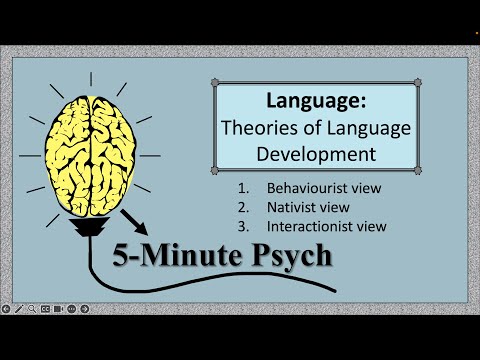
Hey! So, let’s talk about something we all do every day: talk. Seriously, how wild is it that we can just string together sounds and create words?
Este blog ofrece contenido únicamente con fines informativos, educativos y de reflexión. La información publicada no constituye consejo médico, psicológico ni psiquiátrico, y no sustituye la evaluación, el diagnóstico, el tratamiento ni la orientación individual de un profesional debidamente acreditado. Si crees que puedes estar atravesando un problema psicológico o de salud, consulta cuanto antes con un profesional certificado antes de tomar cualquier decisión importante sobre tu bienestar. No te automediques ni inicies, suspendas o modifiques medicamentos, terapias o tratamientos por tu cuenta. Aunque intentamos que la información sea útil y precisa, no garantizamos que esté completa, actualizada o que sea adecuada. El uso de este contenido es bajo tu propia responsabilidad y su lectura no crea una relación profesional, clínica ni terapéutica con el autor o con este sitio web.
But you know what? There’s a lot more going on behind the scenes than we usually see. Language development isn’t just about picking up words here and there. It’s like peeling an onion with layers and layers of meaning, intentions, and connections.
Ever heard of verbal operants? They’re like the building blocks of how we communicate. Each one plays a role in helping us express needs, share thoughts, or even tell a joke!
So, hang tight! We’re gonna break it all down together. You ready?
Understanding the Six Verbal Operants in Skinner’s Behaviorism: A Comprehensive Guide
So, let’s talk about verbal operants, a pretty cool concept from B.F. Skinner’s behaviorism. It’s all about how we use language to communicate and interact with the world around us. Essentially, verbal operants are different types of responses we can make when talking or writing, and they’re linked to how we learn language over time. You ready? Here’s the lowdown.
Skinner identified six main types of verbal operants. Each one serves a unique purpose in communication. Let’s break them down!
- Mands: These are requests or demands. When you say, «Can I have a cookie?» you’re mands-ing for that cookie! It’s all about getting what you want.
- Tacts: Tacts are all about labeling things in your environment. If you see a red ball and shout out «Ball!» you just tacted! You’re sharing what you see with others.
- Echoic behavior involves repeating what someone else says. Imagine playing a game like “Simon Says,” where you’re copying commands—each time you repeat what Simon says, you’re using echoics!
- Intraverbals: These are slightly more complex and involve responding to someone else without needing it to be the same words back; like when someone asks, «What do you want to eat?» and you say “Pizza.”
- Textuals: This operant is related to reading written words aloud. So if you’re reading directions out loud while playing a game, you’re engaging in textual behavior.
- Autoclitics: Autoclitics modify other verbal behavior by adding extra meaning or context, like saying «I think it’ll rain» instead of just saying «It’ll rain.» This adds your perspective on what you’re communicating!
You can see how these operants work together to help us express thoughts and feelings! They play an essential role in language development, making communication more effective as we grow up.
Anecdote time: I once watched my nephew play a game where he had to guess animals based on clues his friends gave him. At one point, he shouted “It must be a lion!” after hearing his buddy say it roars and has a mane. That was an awesome example of him using intraverbal skills! He didn’t just repeat sounds; he connected words and concepts—a big step in communication.
The takeaway? Understanding these verbal operants can shed light on how we learn language from early childhood through adulthood. Each type plays its part in building our ability to talk with others and share experiences.
If you’re interested in diving deeper into this stuff or thinking about how it applies to your own life or someone else’s language learning journey, just remember it’s always good to chat with professionals who specialize in this field for tailored advice!
This journey through Skinner’s world of verbal operants shows how fascinating human communication is—you know? It really does connect us all!
Understanding the Six Elementary Verbal Operants: A Guide to Language Behavior Analysis
Understanding the Six Elementary Verbal Operants
Have you ever thought about how we learn to communicate? It’s pretty fascinating, actually. It turns out that language isn’t just about vocabulary or pronunciation. There are some deeper layers to it, especially when you look at the concept of verbal operants. So, let’s break down the six elementary verbal operants that play a crucial role in language development.
1. Mand
A mand is basically a request. You know, when a kid asks for a cookie or an adult says, “Can you pass me the salt?” These are ways we express our needs or desires. Mands are super important because they show us how to communicate what we want.
For example, if you’re playing a game and your friend wants to take their turn but doesn’t say anything, they’d be missing out on using their mand! Just imagine the fun they could have if they just spoke up.
2. Tact
Next up is the tact. This one involves labeling things or expressing observations about our environment. When someone says, “Look at that cute dog!” they’re using a tact to point out something interesting.
Kids often use tacts all the time—like when they see something colorful and shout “Balloon!” It’s like they’re trying to connect with you and share their excitement.
3. Echoic
An echoic is when someone repeats what they hear. Think of it as your brain’s way of practicing language skills. If I say “apple,” and you reply with “apple,” that’s an echoic response.
This type of verbal operant helps with learning new words and sounds! So if you’re teaching someone how to pronounce tricky words, letting them echo back can really reinforce learning!
4. Intraverbal
This one’s all about conversation! An intraverbal happens when you’re responding to someone else without any direct prompts in your environment: like answering questions or finishing each other’s sentences!
For instance, if I ask you, “What do you like on pizza?” and you respond with “Pepperoni,” that’s an intraverbal exchange! It indicates that we’ve developed conversational skills—yay!
5. Listener Responding
While this isn’t as much about speaking, it’s still critical for communication! Listener responding means understanding what others say and responding accordingly.
Imagine playing charades; if your friend says «Act like you’re fishing,» and you start mimicking casting out a line—that’s listener responding in action! It’s vital for effective communication and relationships.
6. Textual Behavior
Last but not least is textual behavior; this involves reading written text aloud without any special context needed from it. If I hand you a book and say, “Read this page,” you using those written words falls under textual behavior!
It’s all about making sense of words on paper—an essential skill for education and communication in daily life too!
All in all, understanding these six elementary verbal operants can not only enhance our awareness of language development but also help us appreciate how vital communication is in our lives! Remember though, if there are challenges with language skills that seem concerning or persistent, reaching out for professional help is always a wise move—you don’t have to navigate it alone!
Understanding Verbal Operants: Key Components and Examples in Language Development
Language development is super fascinating, right? One way to think about it is through something called **verbal operants**. Now, this term might sound a bit technical, but don’t worry—I’m here to break it down for you.
So, verbal operants are basically different ways that kids can use language to communicate and learn. They’re four main types that you should know about:
- Mands – These are requests. When a child asks for something they want or need, they’re manding! Like if a kid says «juice,» they’re hoping you’ll get them some juice.
- Tacts – These are labels or comments about the world around them. For example, if your little one points at a dog and says «dog,» they’re tacting that object.
- Echoics – This is when a child repeats something they’ve heard from someone else. So, if you say “banana” and they say “banana” back, that’s an echoic response.
- Intraverbals – This involves responding to someone else’s words without direct prompts. If you ask them “What do we eat for breakfast?” and they answer “cereal”, that’s an intraverbal exchange!
Each of these verbal operants plays a role in helping children become effective communicators.
Let’s take my friend Sarah as an example. When her toddler started saying «cookie» while pointing towards the jar, that was a classic **mand**! She knew he wanted the cookie, and it helped him develop his language skills further by learning how to express his needs.
But wait—there’s more! Why are these verbal operants super important? Well, they form the foundation of language learning in kids. Using these different forms allows children to engage with their environment and interact with other people in meaningful ways.
You might be wondering how these concepts apply in everyday situations. Here’s where things get fun! Games can really help reinforce these language skills:
– **For Mands**, play pretend food shop where kids can ask for snacks or drinks.
– **Tacts** can be practiced during a nature walk by labeling animals or plants.
– For **Echoics**, try singing songs together; repetition helps solidify their understanding.
– And for **Intraverbals**, play Q&A games where one person asks questions and the other answers!
All in all, understanding verbal operants can help you support your little ones as they navigate through their language journey. While it’s great to know how all this works, remember that sometimes kids need extra help along the way. If you’re concerned about your child’s language developments or communication skills, talking to a professional could really make a difference!
Language development is such a wild journey, isn’t it? I mean, think about when you were a kid—just learning to put words together and express what you wanted. It’s like watching a little plant grow, sprouting roots and trying to reach for the sun. Verbal operants play a huge role in that growth.
So, we’re talking about verbal operants—these are basically the different ways we use language. Imagine you see a child pointing at a cookie jar with those big puppy eyes. That’s their way of telling you they want a cookie! This is called “mands.” They ask for something they need or desire, using language as their tool. Mands are one of those key components that help kids connect their wants to words.
And then there’s “tacts.” Picture this: maybe you’re walking in the park and a kid excitedly shouts «Dog!» when they see one getting its stroll on. They’re labeling what they see. Tacts help children learn about the world around them by using language to describe things. It’s like giving them little magic labels for everything!
But wait, don’t forget about “echoics.” You know those moments when someone says something funny, and you just have to repeat it? Well, kids often learn by mimicking us adults at first—repeating words back to us is how they take in language patterns. It’s kind of adorable, but also super important for their development.
Now let’s talk about “intraverbals.” This is where things get really interesting! Let’s say you start singing «Twinkle Twinkle Little Star,» and your kid jumps in with the next line without prompting. It’s like they’re playing this fun game of memory with words! Intraverbals help them build conversations and connect ideas through speech.
Thinking back to my childhood, I remember my little brother trying to make jokes but mixing up his words all the time! His attempts were hilarious but also showed how he was experimenting with language—a mix of mands and tacts while trying his best to create some funny lines! Honestly though? Those moments were brilliant because they highlighted how he was navigating this whole new world of communication.
All these verbal operants work together like pieces in a puzzle. They’re essential for building that foundation we all need for better communication skills as adults. When we think about our own experiences learning language—and maybe even stumbles along the way—it gives us perspective on how each component plays its part in shaping our ability to express ourselves.
In the end, fostering these skills starts early on but carries through our whole lives—I mean who doesn’t love finding new ways to share thoughts and feelings? So whether it’s through silly jokes or heartfelt conversations, mastering verbal operants can be pretty magical!