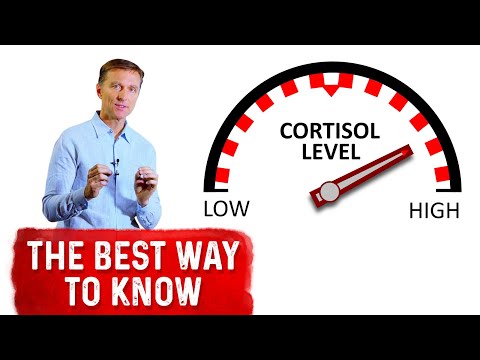
Hey, so let’s chat about something you might not think about every day: cortisol. Yeah, that’s right—the stress hormone. We all have it, and it can be a total game-changer for how we feel.
Este blog ofrece contenido únicamente con fines informativos, educativos y de reflexión. La información publicada no constituye consejo médico, psicológico ni psiquiátrico, y no sustituye la evaluación, el diagnóstico, el tratamiento ni la orientación individual de un profesional debidamente acreditado. Si crees que puedes estar atravesando un problema psicológico o de salud, consulta cuanto antes con un profesional certificado antes de tomar cualquier decisión importante sobre tu bienestar. No te automediques ni inicies, suspendas o modifiques medicamentos, terapias o tratamientos por tu cuenta. Aunque intentamos que la información sea útil y precisa, no garantizamos que esté completa, actualizada o que sea adecuada. El uso de este contenido es bajo tu propia responsabilidad y su lectura no crea una relación profesional, clínica ni terapéutica con el autor o con este sitio web.
You know when life gets crazy? That’s cortisol kicking in, helping you handle stress. But here’s the catch: too much of it isn’t good for you at all. Like, really not good.
Imagine being stuck in a never-ending cycle of stress and feeling drained. That’s what high cortisol can do! It’s wild how our bodies react to everyday pressures, isn’t it?
So, if you’re curious about how that sneaky hormone messes with your health and well-being, stick around! We’ve got some interesting ground to cover here.
Identifying Symptoms of High Cortisol Levels in Women: Impact on Physical and Emotional Well-Being
So, let’s chat about cortisol, shall we? Cortisol is often called the “stress hormone.” It’s really important for lots of stuff in your body—like managing stress, blood sugar, and even inflammation. But here’s the kicker: when cortisol levels get too high, especially in women, it can throw your whole system out of whack.
Now, how do you know if your cortisol levels are climbing? Well, there are some common symptoms you can look out for:
- Weight gain: Especially around your belly. It’s kind of unfair how stubborn those extra pounds can be!
- Fatigue: Feeling like you’ve run a marathon without even moving? That could be high cortisol.
- Anxiety and mood swings: It might feel like your emotions are on a rollercoaster ride. One moment you’re fine, and the next you’re ready to cry over spilled milk.
- Sleep Problems: Insomnia or just not feeling rested after a full night? Cortisol can mess with your sleep cycle.
- Poor concentration: Finding it tough to focus on tasks or remember things? You’re not alone here!
You know what’s interesting? When I was in college, I had this friend who was super smart but always stressed about grades. She started gaining weight and couldn’t sleep well. Turns out she had crazy high cortisol levels! Stress isn’t always visible—it can sneak up on you.
The impact doesn’t just stop at physical symptoms. High levels of cortisol can affect emotional well-being too. For instance:
- Irritability: Feeling snappy or easily annoyed by little things?
- Depression: Persistent down feelings that just won’t go away?
If any of this sounds familiar—first off, you’re definitely not alone! But also remember that these symptoms could signal other issues too, so it might be wise to chat with a healthcare provider if you’re concerned.
Cortisol also affects our body’s ability to manage sugar and fat! So if those cravings for junk food seem louder than usual—well—that’s another potential clue. It’s like being stuck in a game where every level just keeps getting harder and harder because stress keeps adding its own challenges!
This is all really complex stuff, and everyone’s response will be different. Emotions and stress levels vary from person to person—like characters in a video game each having their unique skills and struggles! So keep an eye on yourself or someone close to you who seems off; it’s about understanding what’s happening inside.
This chat isn’t meant to replace professional help; it’s just a way to help identify what might be going on with high cortisol levels. If you’re noticing these symptoms or feeling overwhelmed, reaching out is always the best move!
Identifying Morning Symptoms of High Cortisol Levels: Key Signs and Effects
High cortisol levels can be like that annoying friend who overstays their welcome. When cortisol, the stress hormone, is consistently high, it can mess with your morning vibe and your overall health. Let’s chat about how to spot those pesky symptoms and what they might mean for you.
Key Signs of High Cortisol in the Morning
You might notice some telltale signs when cortisol peaks in the morning. Here are a few:
- Fatigue: Waking up tired even after a full night’s sleep? You’re not alone. High cortisol can sap your energy.
- Weight Gain: Especially around your midsection. It’s like having an extra layer of stress to carry around.
- Mood Swings: Feeling irritable or anxious? Cortisol can throw your emotions off balance.
- Difficulty Concentrating: This one hits hard—cortisol can cloud your mind, making focus feel like a game level you just can’t beat.
- Poor Sleep Quality: Sometimes, high cortisol means tossing and turning instead of restful slumber. Not great for starting the day right!
Let me share an example: my buddy Mike used to wake up feeling like he had run a marathon—not from running but from battling his workload. He was under constant stress at his job and noticed he’d gained weight, was always cranky in the morning, and couldn’t focus on anything without feeling overwhelmed. Guess what? He saw his doctor and found out his cortisol levels were sky-high!
Effects on Health and Well-being
So, what does all this mean for you in the long run? Well, elevated cortisol isn’t just a temporary nuisance; it has serious effects.
- Immune Suppression: A high-stress situation often leads to lower immunity. You might find yourself catching colds more frequently or getting sick with surprising ease.
- Digestive Issues: Stress plays games with your gut too! Some folks experience bloating or irritable bowel syndrome symptoms as a nasty side effect of prolonged high cortisol levels.
- Mental Health Struggles: Anxiety and depression aren’t just buzzwords—they can also become real struggles if stress hormones stay elevated over time.
Imagine playing a game where every time you lose a life, it gets harder to play again, right? That’s kind of how chronic stress feels—it stacks up against you.
The Bigger Picture
You should remember that these symptoms don’t mean you’re doomed! Often simple lifestyle changes—like improving sleep quality or practicing mindfulness—can help manage cortisol levels effectively.
If you’re experiencing several signs that concern you though, don’t hesitate to reach out for help from healthcare professionals. They have the tools to guide you through this maze and offer some support.
In sum, keeping an eye on those morning symptoms could be important for your health journey! So say hi to self-care and take charge of those mornings; they deserve better than high cortisol chaos!
Effective Treatment Strategies for Managing High Cortisol Levels in Women
So, high cortisol levels, huh? It’s like that annoying alarm clock you keep hitting but never really turn off. Cortisol, often dubbed the «stress hormone,» plays a key role in your body’s fight-or-flight response. But when it stays high for too long, it can mess with your health and well-being in some serious ways. Let’s break it down into simpler pieces.
Effects of High Cortisol Levels
When cortisol levels are elevated over time, they can lead to:
- Anxiety and Depression: Feeling on edge or just plain low? It’s possible that too much cortisol is making things worse.
- Weight Gain: Especially around the belly! It’s like your body decides to store fat as a backup plan for stress.
- Heart Issues: Prolonged stress can raise blood pressure and cause heart complications.
- Sleep Disturbances: Ever tried to sleep while your brain is running a marathon? High cortisol can keep you tossing and turning.
- Digestive Problems: Stress and gut health don’t mix well; it can lead to cramps or even constipation.
Now, that might sound a little heavy. But let’s talk about some effective treatment strategies for managing those pesky high cortisol levels.
Effective Treatment Strategies
First up, lifestyle changes! Sometimes we put ourselves in stressful situations without even realizing it. Here are some ideas:
- Meditation and Mindfulness: Just taking 10 minutes a day to breathe deeply can work wonders. Think of it like saving your game in an RPG before facing the big boss!
- Regular Exercise: Seriously, moving around—whether it’s yoga or a brisk walk—can help lower cortisol. It’s like leveling up in real life!
- Nutritional Adjustments: Eating balanced meals rich in whole foods is key. Foods high in omega-3s (like salmon) can help combat inflammation caused by stress.
And here’s where things get fun—social connections! Spending time with friends or family? Big mood booster! It’s like playing co-op mode instead of going solo.
Also, consider cognitive-behavioral therapy (CBT). This isn’t just talking about your feelings; CBT helps you challenge negative thought patterns and develop effective coping strategies.
Lastly, don’t forget about sleep hygiene! Make your bedroom a sanctuary if you’re having trouble sleeping: think cozy bedding, no screens before bed—just pure calmness.
If all else fails—or if you’re looking for more help—don’t hesitate to check out natural supplements like ashwagandha or rhodiola rosea after consulting with professionals who know their stuff.
In the end, managing high cortisol isn’t one-size-fits-all. You’ll likely need to try different strategies until you find what clicks for you. Just remember to consult with healthcare providers before making any major changes! They can guide you safely through this journey while ensuring you don’t miss any important checks along the way.
So there you go—a few ways to tackle those sneaky high cortisol levels! Keeping life balanced might be tough sometimes but hey—you’ve totally got this!
You know, cortisol is one of those hormones that doesn’t get enough airtime, but it’s super important for how we feel day to day. Think of cortisol as your body’s built-in alarm clock or emergency responder. When you’re stressed—like you’re running late for work or facing a big exam—it spikes up to help you deal with it. But here’s the kicker: when it hangs around too long, it can really mess with your health and well-being.
So, let me share a little story. A close friend of mine, let’s call her Sarah, was going through a tough time at work. She was constantly stressed and felt like she was juggling a million things at once. Over the months, I noticed she started gaining weight and seemed more irritable than usual. It turns out that her cortisol levels were sky-high! Unmanaged stress had turned her body into this weird little cortisol factory. It wasn’t just her mood that suffered; she wasn’t sleeping well either.
And this is where things get interesting. High cortisol levels can lead to a whole cocktail of issues. For one, they can mess with your metabolism, making it harder to maintain a healthy weight. Plus, if you’re feeling more anxious or moody than ever? Yup, that’s likely linked too! It can even affect things like blood pressure and your immune system—so all that stress isn’t just in your head; it’s got serious physical consequences.
But wait, there’s more! Cortisol also impacts how we think and remember things. This might explain why during stressful times I often forget where I put my keys or why walking into a room suddenly makes me feel blank. In Sarah’s case, she found herself forgetting little tasks at work and struggling to focus on projects she previously enjoyed.
Now don’t get me wrong; not all cortisol is bad! It’s actually crucial for helping us react quickly when we need to. Balance is key here though—too much of anything can tip the scales in the wrong direction.
If you find yourself stuck in high-stress situations all the time (and who hasn’t?), it might be worth exploring some ways to bring those levels down a notch: deep breathing exercises, taking breaks during work, or even picking up yoga can make a difference.
So yeah, high cortisol is kind of sneaky—it creeps into our lives when we least expect it and affects everything from our weight to our mood and even our memory! It’s important to pay attention to how we’re coping with stress because our body has its own way of signaling when something’s off-kilter. Taking tiny steps toward balance not only helps keep those cortisol levels under control but could also make life feel just a bit brighter again!