You know that feeling when life just throws everything at you? Stress hits hard, and it can feel like you’re drowning in it. Well, guess what? There’s a way to chill out a bit!
Este blog ofrece contenido únicamente con fines informativos, educativos y de reflexión. La información publicada no constituye consejo médico, psicológico ni psiquiátrico, y no sustituye la evaluación, el diagnóstico, el tratamiento ni la orientación individual de un profesional debidamente acreditado. Si crees que puedes estar atravesando un problema psicológico o de salud, consulta cuanto antes con un profesional certificado antes de tomar cualquier decisión importante sobre tu bienestar. No te automediques ni inicies, suspendas o modifiques medicamentos, terapias o tratamientos por tu cuenta. Aunque intentamos que la información sea útil y precisa, no garantizamos que esté completa, actualizada o que sea adecuada. El uso de este contenido es bajo tu propia responsabilidad y su lectura no crea una relación profesional, clínica ni terapéutica con el autor o con este sitio web.
Cortisol is that sneaky little hormone that spikes when your stress levels go up. You definitely don’t want it hanging around longer than necessary. So, how do you tackle this?
Vitamins might just be your best pals in this fight against stress! Yeah, I’m talking about the good old nutrients that can help lower cortisol and keep you feeling more balanced. Interested? Let’s chat about it!
Effective Supplements to Lower Cortisol Levels and Combat Belly Fat
So, let’s chat about cortisol for a second. You know, that pesky hormone that can really mess with your day? It’s often called the “stress hormone” because when life gets hectic, your body ramps up cortisol production. While a little bit is totally normal, too much of it can lead to problems like weight gain, especially around the belly area. Yikes! But don’t worry; there are vitamins and supplements that might help bring those levels down.
First off, Vitamin C is a big player in this game. Some studies suggest that it can lower cortisol levels in response to stress. Think of it like hitting a reset button on your body after a tough day at work or dealing with personal drama. You can find Vitamin C in fruits like oranges, kiwi, and strawberries. Seriously, grabbing a handful of these snacks could be an easy way to give your body some love.
B Vitamins, especially B5 and B6, also help regulate cortisol production. These vitamins play crucial roles in energy metabolism and stress management. Foods rich in B vitamins include whole grains, eggs, and leafy greens. Making a nice breakfast bowl with eggs and spinach? Sounds good to me!
- Omega-3 Fatty Acids: Found in fish like salmon and walnuts; they not only help lower inflammation but may also reduce cortisol levels.
- Magnesium: This mineral is known for its calming effects. It’s in nuts, seeds, and dark chocolate—yes please!
- Zinc: Found in foods like pumpkin seeds and chickpeas; it helps with hormonal balance.
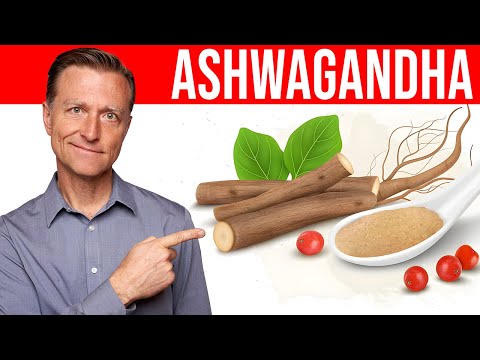
- Adaptogens, like ashwagandha or rhodiola rosea: These herbs might help your body adapt to stress better and keep those cortisol levels steady.
You know what’s kind of interesting? A friend once told me about how she started taking ashwagandha during exam season back in college. She felt less stressed out when she mixed studying with some chill self-care routines—like yoga! Not only did her cortisol drop a bit but she also noticed she was less bloated afterwards.
Of course, it wouldn’t be fair not to mention exercise here too! I mean honestly—moving around seriously helps regulate not just cortisol but overall health too. So going for a jog or hitting the gym might complement those supplements nicely!
But remember: supplements aren’t magic pills. They won’t solve everything overnight or take the place of good stress management techniques or professional advice if things get overwhelming.
If you’re feeling chronically stressed or noticing some serious weight changes despite trying dietary adjustments—they’re definitely worth talking *to* someone who knows what they’re doing medically speaking! Your health journey is personal; make sure you’re getting info tailored just for you.
In the end folks: tackling high cortisol levels isn’t just about popping pills; it’s all about finding balance through nutrition, lifestyle changes—and hey—maybe even lowering expectations sometimes! You got this!
Effective Natural Supplements to Lower Cortisol Levels and Manage Stress
Managing stress can feel like a never-ending quest, right? Cortisol, the notorious stress hormone, plays a big role in how we respond to pressure. High levels of cortisol over time can be harmful, leading to anxiety and health problems. So, let’s chat about some effective natural supplements that may help lower cortisol levels and manage stress—specifically when it comes to vitamins.
Vitamin C is often the first contender here. It isn’t just for fighting colds! Studies show that Vitamin C can help reduce cortisol levels after stressful events. Think about a time you had a big presentation or exam—it’s like your body was on high alert. Taking Vitamin C after that might help ease the aftermath.
Magnesium is another powerhouse mineral. It’s known for its calming effects on the nervous system. Low magnesium levels are linked to higher cortisol levels, so incorporating this nutrient into your diet could be beneficial. You know what? Snack on some nuts or leafy greens for a magnesium boost; it’s like giving yourself a little hug.
Similarly, B Vitamins, especially B5 and B6, play vital roles in energy production and hormone regulation. They help your body cope with stress by supporting adrenal function—those little glands that produce cortisol among other hormones! Foods like eggs and whole grains are great sources of these vitamins.
Now don’t forget about Omega-3 fatty acids. These fatty acids found in fish oil have been shown to reduce cortisol levels and inflammation. It’s like giving your brain’s stress response system a little tune-up! Regularly including fatty fish in your meals may make you feel more balanced overall.
Let’s not overlook L-Theanine, an amino acid found in green tea. It promotes relaxation without causing drowsiness—perfect if you’re navigating through life’s challenges but still need focus! Imagine sipping on some green tea during a gaming session; it keeps you calm while you strategize!
And while we’re talking about game strategies, think of these supplements as power-ups for managing your emotional health; they can support you in facing challenges effectively!
However, remember: it’s always best to consult with a healthcare provider before starting any supplement regimen because everyone’s body reacts differently to these things.
To wrap it up:
- Vitamin C: Helps reduce cortisol post-stress.
- Magnesium: Calms the nervous system.
- B Vitamins: Support adrenal function.
- Omega-3 Fatty Acids: Reduce inflammation.
- L-Theanine: Promotes relaxation without drowsiness.
Incorporating these vitamins into your diet might just give you an edge over stress—and who wouldn’t want that? Just keep in mind that they’re part of a larger picture when it comes to managing stress effectively!
Identifying the Symptoms of High Cortisol Levels in Women: Understanding the Impact on Physical and Mental Health
Well, let’s talk about cortisol, huh? It’s that stress hormone that bursts into your life like an uninvited guest. When it hangs around for too long, it can really mess with your physical and mental health—especially for women.
High cortisol levels can show up in various ways. You might experience:
- Increased anxiety: Feeling on edge or constantly worried.
- Weight gain: Especially around the belly area; it’s like your body starts hoarding stress.
- Sleep disturbances: Trouble falling asleep or staying asleep, leaving you tired during the day.
- Mood swings: One minute you’re fine, and the next, you’re ready to cry over spilled milk.
- Fatigue: A sense of being drained, even if you’ve had a full night’s sleep.
- Digestive issues: This could mean stomachaches or other tummy troubles.
So here’s the thing: cortisol is not all bad. In small doses, it helps with things like metabolism and immune function. But when levels stay high due to chronic stress—think work overload or personal issues—it can derail your health.
You know, I once had a friend who completely stressed herself out at work. She’d skip meals and then binge on junk food late at night. Before she knew it, her cortisol was through the roof! She experienced anxiety that made her feel jittery all day long. It wasn’t until she started focusing on her wellness that she noticed a change.
Now if you’re thinking about what you can do to lower those pesky cortisol levels naturally—besides quitting your job—and maintain some sanity in your life, vitamins can help out here too.
Some vitamins and supplements that might help include:
- B vitamins: These little guys are known to support energy levels and brain function.
- Vitamin C: This vitamin plays its part in lowering cortisol when stress strikes!
- Theanine: Found in green tea, it promotes relaxation without drowsiness—totally chill!
And hey, while these nutrients can support your body during stressful times, they are not a standalone solution. They’re more like helpful teammates alongside proper nutrition and self-care practices.
But remember this: always consult a healthcare professional before starting any new supplement routine! It’s important to get tailored advice based on your individual needs.
So, next time you feel that weight of stress creeping up on you—take a moment to breathe deeply and check in with yourself. High cortisol isn’t something to ignore; acknowledging it is the first step toward feeling better!
So, let’s chat about stress and cortisol levels for a minute. You know that feeling when everything’s piling up, and you’re just like, “Ugh, I can’t breathe?” Yeah, that’s your buddy cortisol playing a big role in the mix. Cortisol is often called the “stress hormone,” and it can be helpful in short bursts—like when you need to run from a bear (not that we see those every day!). But living with high cortisol? Not so great for your peace of mind… or your body.
Now, here’s where vitamins come in. It might sound a bit like some sort of magic potion, but certain vitamins can help keep this hormone in check and support you when life throws those curveballs. For example, Vitamin C is super important for adrenal function. Low levels can lead to higher cortisol. It’s like your body saying, “Can we get some help over here?” Eating foods rich in Vitamin C—think oranges or bell peppers—can boost your resilience to stress.
And then there’s B vitamins; they play a crucial role in energy production and overall brain health. When you’re stressed out, you might notice you’re feeling more drained than usual. Those B vitamins are like your supportive friends who always remind you to take it easy and recharge. They help reduce feelings of anxiety too!
The other day I was chatting with a friend who’s been dealing with a lot lately—work stress piled on top of personal stuff—and she told me how she started taking a daily multivitamin just to make sure she wasn’t missing any nutrients. She swears it’s made her feel a bit lighter mentally. It’s not like she turned into Superwoman overnight but just having that little boost helped her manage her stress better.
But remember, it’s not all about popping pills or anything! Eating a balanced diet filled with colorful fruits and veggies is essential too. Think of it as giving your body the love it needs to fight back against all the nasty stressors floating around these days.
All things considered, while vitamins alone aren’t going to solve all your problems or magically lower cortisol levels overnight—you know what I mean? It’s definitely worth considering how they fit into the bigger picture of managing stress effectively! So go ahead and load up those plates with nutrients—it might just help kick that high-stress vibe to the curb!