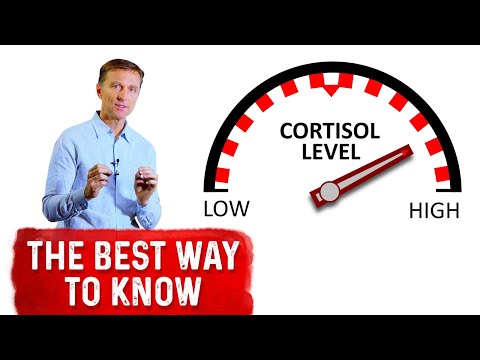
So, have you ever woken up feeling like you’ve already run a marathon? Seriously. That groggy, on-edge feeling can be a real downer. You know what I mean?
Este blog ofrece contenido únicamente con fines informativos, educativos y de reflexión. La información publicada no constituye consejo médico, psicológico ni psiquiátrico, y no sustituye la evaluación, el diagnóstico, el tratamiento ni la orientación individual de un profesional debidamente acreditado. Si crees que puedes estar atravesando un problema psicológico o de salud, consulta cuanto antes con un profesional certificado antes de tomar cualquier decisión importante sobre tu bienestar. No te automediques ni inicies, suspendas o modifiques medicamentos, terapias o tratamientos por tu cuenta. Aunque intentamos que la información sea útil y precisa, no garantizamos que esté completa, actualizada o que sea adecuada. El uso de este contenido es bajo tu propia responsabilidad y su lectura no crea una relación profesional, clínica ni terapéutica con el autor o con este sitio web.
Well, it might just be your cortisol levels playing tricks on you. Cortisol is that pesky hormone that spikes in the morning to help kickstart your day. But when it gets a little too high, things can get messy.
Imagine trying to enjoy your morning coffee while your heart’s racing and your brain’s buzzing with worries. Not cool, right? Let’s chat about those symptoms and what they really mean for you. Because knowing is half the battle!
Recognizing the Five Key Signs of Elevated Cortisol Levels
Hey, let’s chat about something that might be messing with your day: high cortisol levels. Cortisol, often called the «stress hormone,» can really put a damper on your mood and energy. It’s usually at its peak in the morning, like a little alarm that goes off to wake you up. But when it gets elevated too much or for too long, well, it can lead to quite a few issues. Here are the five key signs you might notice.
- Increased Stress and Anxiety: You know those days when even the smallest tasks feel like climbing mountains? Elevated cortisol can crank up your feelings of stress and anxiety. It’s like your brain is constantly on high alert—like playing a video game where every little noise makes you jump!
- Fatigue or Insomnia: Seriously, it’s a tough combo: feeling tired but still unable to sleep well at night. That’s what happens when cortisol levels spike. Imagine getting into bed after an exhausting day, yet your mind is racing as if you’re still in an intense boss battle!
- Weight Gain: High cortisol is linked to weight gain, especially around the belly area. It’s kind of cruel because while you’re trying to manage stress, your body is holding onto fat as if it’s preparing for a winter hibernation—hello muffin top!
- Digestive Issues: If stress was a character in an RPG (role-playing game), it would totally mess with your stomach health! Elevated cortisol can lead to problems like bloating or digestive distress. You might feel like you’ve just eaten a giant feast instead of just that sandwich.
- Mood Swings: One minute you’re fine; the next minute you’re ready to cry over spilled milk! It can feel like emotional whiplash when cortisol levels are high. It’s as if every little thing sets off a huge reaction inside of you.
If any of these signs sound familiar, don’t worry—you’re not alone! Many people experience them from time to time. Just remember, recognizing these signs is the first step towards finding balance again. However, it’s important to reach out for professional help if you think elevated cortisol is affecting your life significantly.
The bottom line? Listen to what your body is trying to tell you! By being aware of these signs and taking them seriously, you’re setting yourself up for better health and happier days ahead.
Identifying Symptoms of High Cortisol Levels in Women: Key Signs and Psychological Impacts
Alright, let’s talk about cortisol. You know, that stress hormone that can really mess with us if it gets too high. For women, especially, this can be a big deal, and it can sneak up on you. If you’re waking up feeling off and just can’t shake that groggy kind of unease in the morning, pay attention.
First off, what is cortisol? It’s a hormone produced by your adrenal glands. It helps regulate various bodily functions like metabolism and the immune response. But when your levels are chronically elevated—especially in the morning—you might notice some signs that something isn’t quite right.
Key Signs of High Cortisol Levels:
- Fatigue: You feel drained even after a full night’s sleep. It’s like your body’s hitting the snooze button all day.
- Anxiety: Feeling jittery or on edge? That could be cortisol making you feel like there’s a lion chasing you—even when there isn’t.
- Weight Gain: Particularly around the abdomen. Seriously, who needs extra belly fat? But high cortisol can do that.
- Mood Swings: Irritability or mood changes might hit harder than usual.
- Sleep Issues: Trouble falling asleep or staying asleep? Cortisol should naturally drop at night, but if it’s high, good luck getting rest!
Just think about how when you’re playing a video game and your character keeps losing health because of too many “enemy” attacks—high cortisol is like an invisible enemy attacking your wellbeing.
Now let’s dive into some psychological impacts. When cortisol hangs around longer than it should:
– You might find yourself overwhelmed by daily tasks.
– You could become more sensitive to stressors that never bothered you before.
– There could be an increase in feelings of depression or low motivation.
These changes aren’t just minor bumps in the road; they can really affect your day-to-day life. It’s like trying to navigate through your favorite game while constantly battling glitches.
While recognizing these symptoms is super important, remember—they’re not a replacement for professional help! If you think your cortisol levels are playing tricks on you or affecting your life significantly, chatting with a healthcare provider is definitely the way to go.
In summary (yeah I know), being aware of how high cortisol could impact you helps empower you to take action. Whether that means finding ways to manage stress or getting professional advice, knowledge is key!
Stay tuned to your body and don’t hesitate to reach out when needed.
Effective Treatments for High Cortisol Levels: Strategies for Managing Stress and Improving Well-Being
Feeling overwhelmed? You’re not alone. High cortisol levels can make mornings feel like climbing a mountain before your feet ever touch the ground. Cortisol is that stress hormone your body pumps out when facing challenges. And while it’s crucial for survival (thanks, evolution!), too much of it can lead to some pretty uncomfortable symptoms.
You might wake up feeling jittery or anxious. Maybe you struggle to concentrate, or there’s this nagging tension in your shoulders that just won’t budge. The truth is, high cortisol can mess with your mood, energy levels, and even sleep patterns. And if you’re experiencing this regularly in the mornings, it might be time to look into ways to manage it.
Here are some strategies that can help lower those cortisol levels:
- Regular exercise: Seriously, get moving! Whether it’s a brisk walk or a fun workout class, physical activity helps lower cortisol while boosting endorphins.
- Meditation and Deep Breathing: Just a few minutes a day can really clear your head. Picture yourself chilling on a beach; breathe in deeply and then let it all go.
- Balanced Diet: Eating well plays a big role! Foods rich in vitamins B and C, omega-3 fatty acids, and antioxidants can help keep cortisol levels steady.
- Sleep Hygiene: Can I stress this enough? Quality sleep is essential! Try to stick to regular sleep patterns; this gives your body time to recover.
- Saying No: Sometimes less is more. Learn to set boundaries on what you take on—a busy schedule can skyrocket stress.
Remember my friend Sara? She used to wake up feeling like she was running late for an important meeting—every day! After introducing morning stretches and incorporating healthy snacks into her diet, she noticed things started shifting for her. Suddenly those stressful mornings became manageable.
But here’s the thing: if you find that none of these tactics seem effective or if you’re having severe symptoms (like constant fatigue or depression), reaching out for professional help is key. Sometimes talking through what’s going on with someone trained can make all the difference.
Managing high cortisol doesn’t have to feel overwhelming. Small steps—like adding more movement into your day or tweaking how you wind down at night—can create big changes over time. Who knew clearer mornings could be just around the corner?
So, let’s talk about cortisol. You know, that hormone that’s sometimes deemed the “stress hormone.” It’s kind of a big deal when it comes to our body’s response to stress and keeping everything in check. But here’s where it gets interesting—cortisol has its rhythm, and for most of us, it tends to be higher in the morning. This is totally normal since it helps kickstart your day. However, if those levels decide to hang around too high for too long, oh boy, we might run into some trouble!
Imagine this—you wake up feeling like you’ve been hit by a bus. You’re irritable, anxious, and just can’t shake off that groggy feeling. Even after downing your morning coffee or tea, you’re still dragging your feet. That could potentially be a sign that your cortisol levels are playing tricks on you.
Now let’s address some common symptoms of elevated cortisol levels in the morning:
- Fatigue: Even after a good night’s sleep (or what you thought was a good night), you might feel completely wiped out.
- Irritability: Little things get under your skin way more than they should. You find yourself snapping at friends or family for no real reason.
- Anxiety: Your mind feels like it’s racing with worries—even about stuff that usually wouldn’t bother you.
- Increased appetite: Suddenly those late-night snacks seem like the best idea ever! And then there’s that never-ending craving for sweets.
- Sweating: You might find yourself sweating more than usual even when you’re just chilling at home.
But wait! What’s wild is how individual these symptoms can be. A few years back, one of my friends started feeling super anxious every morning and couldn’t figure out why. I mean she was doing all the right things—exercising regularly and eating well—but still felt off-kilter. Eventually she discovered that her routine stressors were getting her cortisol levels all riled up. It took some adjustments in her lifestyle (hello meditation!) before things calmed down.
And I’ve noticed something curious: sometimes high cortisol levels can mess with your physical health too—like causing headaches or digestive issues! It’s kind of like we’re not just fighting invisible battles inside our minds; our bodies are reacting too.
If you think this resonates with you, don’t sweat it alone! Talking to someone who knows their stuff could really help figure out what’s going on beneath the surface. All this just goes to show how interconnected our mental state and physical health really are. So next time you feel frazzled first thing in the morning? Maybe take a step back and check in with yourself—and hey, try not to be too hard on yourself while you’re at it!