Hey! So, let’s chat about something we all encounter at work—people. You know, like the ones who drive you nuts or inspire you to be better? Yep, that’s where organizational behavior comes into play.
It’s pretty wild how personalities shape everything around us. Think about that one coworker who always seems to have their act together. Or the one who, well, doesn’t. Hey, it’s all part of the game, right?
Este blog ofrece contenido únicamente con fines informativos, educativos y de reflexión. La información publicada no constituye consejo médico, psicológico ni psiquiátrico, y no sustituye la evaluación, el diagnóstico, el tratamiento ni la orientación individual de un profesional debidamente acreditado. Si crees que puedes estar atravesando un problema psicológico o de salud, consulta cuanto antes con un profesional certificado antes de tomar cualquier decisión importante sobre tu bienestar. No te automediques ni inicies, suspendas o modifiques medicamentos, terapias o tratamientos por tu cuenta. Aunque intentamos que la información sea útil y precisa, no garantizamos que esté completa, actualizada o que sea adecuada. El uso de este contenido es bajo tu propia responsabilidad y su lectura no crea una relación profesional, clínica ni terapéutica con el autor o con este sitio web.
Understanding these personality traits can totally change how we work together. Whether you’re a laid-back team player or a go-getter with a plan, your style matters.
So, let’s dive into this wild mix of personalities and see how they shake things up in any workplace! You ready for it?
Key Traits and Dynamics of Organizational Behavior: Understanding Personality in the Workplace (PDF Guide)
When you’re thinking about organizational behavior, it’s kind of like peeking into the inner workings of a video game. Every character has their traits, right? Well, in the workplace, those traits influence how people interact and perform. Let’s break down some key aspects of personality in the workplace.
1. Personality Traits
Your personality at work can often shape your career path and relationships with colleagues. There are several key traits that consistently pop up:
- Extraversion: This trait involves being outgoing and energetic. Extroverts may thrive in team settings, just like a charismatic leader in a strategy game rallying their troops.
- Agreeableness: People high in this trait tend to be warm and compassionate. Think of someone who helps others level up in a game—always ready to lend a hand.
- Conscientiousness: This is all about being organized and dependable. Picture that player who meticulously plans every move—they’re likely conscientious!
- Neuroticism: Those high in neuroticism might experience more stress or anxiety, which can affect their performance. Kind of like that player who’s always on edge during a high-stakes game.
- Openness to Experience: This trait involves creativity and curiosity. It’s like the adventurer who’s always seeking out new quests and challenges.
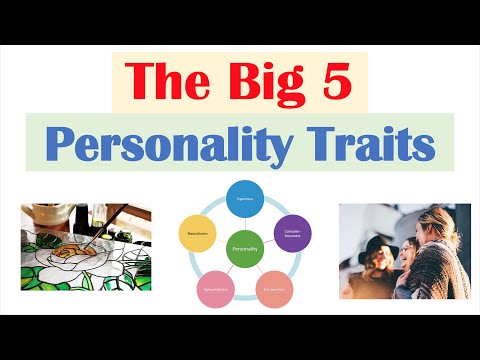
2. The Big Five Model
A lot of research points to the Big Five personality traits as crucial for understanding workplace dynamics. So, what are these?
- The same five we just talked about! Yep, extraversion, agreeableness, conscientiousness, neuroticism, and openness make up this model.
This model suggests if you can identify where you fit within these traits, you can better understand how you’ll interact with others at work—so important for team collaboration!
3. Team Dynamics
Your personality doesn’t just affect your performance—it also impacts how well teams function together. For example:
- If one team member is super conscientious while another is more laid back, this could lead to tension but also balance expectations.
- If you have an extraverted person leading an introverted team member during projects—the differences can either create conflict or really boost creativity if managed well!
I remember once working with a super laid-back colleague on a time-sensitive project. At first glance, it felt chaotic! But when we found common ground—sharing ideas over coffee—we balanced our styles perfectly; it ended up being one of my favorite collaborations ever!
4. Organizational Culture
A company’s culture plays a huge role too! Think of this like the environment within your favorite multiplayer game: different vibes attract different players! A culture that encourages openness might attract those curious types while one that emphasizes structure might draw more conscientious players.
This cultural setup influences how personalities mesh; sometimes leading to awesome synergy or—let’s be honest—occasional conflicts.
5. Improving Workplace Dynamics
If you want to enhance teamwork and productivity based on these personality insights, here are some tactics:
- Create opportunities for open communication—consider regular check-ins or team-building activities!
- Cultivate awareness around different personalities by providing resources or assessments so everyone understands each other better.
I mean think about it: would your favorite gaming team succeed without knowing each player’s strengths? Probably not!
The thing is understanding these dynamics isn’t easy! And while this info provides insight into workplace interactions based on personality traits—it’s not a replacement for professional help when things get tough.
I hope this was helpful! Remember that every workspace is unique—like every gaming world has its own challenges—but with patience and insight into personalities, we can foster better relationships among coworkers!
Key Personality Traits and Dynamics in Organizational Behavior: Real-World Examples and Insights
Understanding how personality traits impact organizational behavior can really light up the workplace dynamics. Seriously, these traits shape how people interact, perform, and fit into teams. So, let’s break down some of the key traits and their real-world implications.
1. Extraversion: This trait is all about being outgoing and energetic. Extraverts thrive in team settings and often take on leadership roles naturally. Think of someone like Tony Stark from Iron Man—charismatic and confident in social situations. In contrast, introverts may prefer working alone or in smaller groups but can bring valuable insights from their thoughtful nature.
2. Conscientiousness: This trait indicates how organized and dependable someone is. People high in conscientiousness are usually focused on achieving goals and following through on commitments. Imagine a player in a strategy game who meticulously plans every move; that level of attention to detail is gold in organizational settings.
3. Agreeableness: If you’re high on agreeableness, you’re likely good at getting along with others—very much like a friendly co-op player who encourages teamwork! These folks are compassionate, cooperative, and often make great team members because they prioritize harmony over conflict.
4. Emotional Stability: This trait relates to how well you handle stress and challenges. Think of it like having a strong shield while playing an intense game—you’re less likely to panic under pressure! Individuals with high emotional stability remain calm during crises, making them valuable during tough times.
5. Openness to Experience: Open individuals are generally more creative and willing to embrace new ideas or changes. They might remind you of that adventurous character who tries every quest in an RPG—I mean, they’re not afraid to explore uncharted territory!
The way these traits play out can lead to some exciting dynamics within organizations:
- Diverse Teams: Combining different personality traits can create powerful teams where strengths complement one another.
- Mismatches: Sometimes certain traits clash—like an overly conscientious person working with someone who’s more laid-back might lead to frustration or misunderstandings.
- Cultural Fit: Organizations often seek personalities that align with their culture; for instance, tech startups might lean towards more open and innovative thinkers compared to traditional firms that value structure.
A little story for you: I once worked on a project team where we had this super sociable guy named Matt—totally the extravert—and he was always pulling us together for brainstorming sessions over coffee (or maybe too many! . His energy sparked ideas from our quieter team members who normally wouldn’t speak up as much. It became clear that blending personality types brought out the best in everyone!
The interplay between these traits can have a massive impact on productivity as well as job satisfaction. All this stuff is super important for leaders too—they need to navigate these dynamics wisely! And hey, while understanding these traits is valuable, it’s crucial to remember—this info doesn’t replace professional guidance if you’re dealing with complex issues related to behavior or mental health.
If you think about it, fostering a team environment where various personalities shine is like crafting the perfect balanced recipe: each ingredient plays its part! So keep an eye out for those key personality traits next time you find yourself working in groups—it’ll help you better understand your colleagues (and maybe even yourself!
Key Traits and Dynamics of Organizational Behavior: Understanding Personality through Quizlet
Organizational behavior is like the heartbeat of a workplace. It’s all about how people interact, work together, and get things done. And at the center of this dynamic are personality traits — those little quirks and characteristics that make you, well, you! So let’s break it down.
Key Traits
When we talk about personality in an organization, there are a few major traits to keep in mind:
- Openness to Experience: This trait reflects your willingness to embrace new ideas. If you’re the type who’s excited by change and innovation, then you score high here.
- Conscientiousness: Think of it as your degree of self-discipline and organization. Are you the one who always meets deadlines? That’s conscientiousness shining through.
- Extraversion: Are you chatty and energized by socializing? Extraverts thrive in team settings and enjoy networking.
- Agreeableness: This one highlights how friendly or cooperative you are. People high in agreeableness tend to be more compassionate and considerate.
- Neuroticism: Here’s where it gets a little tricky. This trait relates to emotional stability. If small problems send you into a tailspin, then neuroticism might be something to consider.
These traits help define how individuals fit within a team or a company culture.
The Dynamics
Now let’s talk about how these traits work together when people form relationships at work. You see, the dynamics of organizational behavior can create some fascinating interactions!
For example, let’s say there’s an extravert on your team who loves brainstorming sessions. Their energy can spark creativity among the group. Meanwhile, someone with high conscientiousness keeps everyone focused on the task at hand so that ideas don’t drift away into the land of distraction!
Think of it like a game of chess: every piece has its own unique abilities but must work together strategically to win.
The Role of Personality Assessments
Now here comes Quizlet into play — not just for studying but also for understanding personalities! You can use quizzes based on different theories like Myers-Briggs or Big Five personality tests. These tools can offer insights into how people might behave in various scenarios.
For instance, if you’re aware that someone is high on agreeableness but low on extraversion, you might invite them to participate in smaller group discussions rather than large meetings where they could feel overwhelmed.
In addition to helping with personal knowledge, these assessments can encourage conversations around strengths and weaknesses within teams.
Anecdote Time!
A couple years back at my old job, we had our whole department take personality quizzes — just for fun! It turned out I was an “Advocate” (a combination high on agreeableness and openness). I found myself gravitating toward other Advocates during project work because we understood each other’s need for harmony while brainstorming new ideas; meanwhile those with high extraversion seemed more comfortable leading discussions!
This made me realize how essential it was to blend different personalities for better collaboration rather than just relying on one preferred style.
The Takeaway
At the end of the day, understanding organizational behavior through personality traits helps create a productive environment where everyone can thrive together. You know what? Recognizing these dynamics doesn’t just make workplaces more pleasant; they foster innovation and drive engagement too!
Keep in mind though: diving deep into this stuff won’t fix everything overnight; sometimes professional guidance still makes sense if things feel too tangled up personally or within teams.
So there you have it – organizational behavior is like figuring out a puzzle formed from individual pieces called personalities!
So, let’s chat about organizational behavior and how personality plays a huge role in it. You know, it’s pretty wild when you think about how people’s traits can shape the whole vibe at work. Seriously, every day we’re surrounded by different personalities that either click together or clash in a big way.
I remember a job I had once where there were two coworkers who were like oil and water. One was super detail-oriented, always double-checking everything. The other? More of a big-picture thinker, who’d jump into projects without sweating the small stuff. Their differences brought some tension but also led to some creative solutions when they finally found a way to communicate better. It just goes to show how diverse personalities can really change the dynamics of a team.
So, when you look at key traits that influence organizational behavior, think about things like openness, conscientiousness, extraversion, agreeableness, and neuroticism. These traits are part of what psychologists call the Big Five personality traits. You know what I mean? If someone is open to new experiences, they’re likely going to be more adaptive and innovative within their role. On the other hand, if someone’s more neurotic—maybe they get anxious or stressed easily—that can totally impact their performance and even the atmosphere around them.
But it’s not only about individual traits; it also comes down to how these personalities mesh together. Imagine being in a meeting with people who have vastly different communication styles! Like someone who waits for everyone else to finish talking before sharing their thoughts while another person just jumps in whenever they feel like it. The chaos could either lead to some groundbreaking ideas or make everyone want to pull their hair out!
That’s why understanding these dynamics is so important for leaders and teams alike. Fostering an environment where everyone feels comfortable expressing their unique traits can lead to better collaboration and innovation—so key for any organization wanting to thrive.
In the end, it really boils down to empathy and awareness of each other’s strengths and weaknesses. Reflecting on our own personality styles can help us navigate these waters much more smoothly. We all bring something special to the table; it’s just about figuring out how those pieces fit together! What do you think?