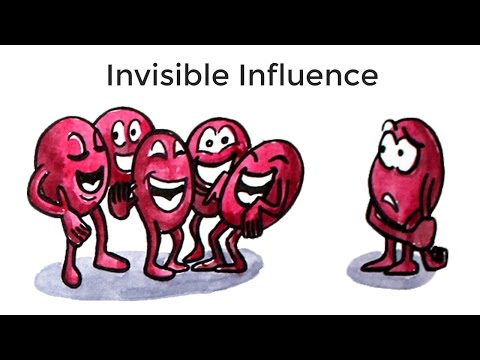
You know how when you hang out with certain people, you start acting kinda like them? Yeah, that’s what we’re talking about today.
Este blog ofrece contenido únicamente con fines informativos, educativos y de reflexión. La información publicada no constituye consejo médico, psicológico ni psiquiátrico, y no sustituye la evaluación, el diagnóstico, el tratamiento ni la orientación individual de un profesional debidamente acreditado. Si crees que puedes estar atravesando un problema psicológico o de salud, consulta cuanto antes con un profesional certificado antes de tomar cualquier decisión importante sobre tu bienestar. No te automediques ni inicies, suspendas o modifiques medicamentos, terapias o tratamientos por tu cuenta. Aunque intentamos que la información sea útil y precisa, no garantizamos que esté completa, actualizada o que sea adecuada. El uso de este contenido es bajo tu propia responsabilidad y su lectura no crea una relación profesional, clínica ni terapéutica con el autor o con este sitio web.
Negative influences can really mess with our heads and choices. It’s wild how much of our behavior is shaped by those around us, isn’t it?
I mean, think back to a time when you made a choice because of your friends or even family. Maybe it felt right at the moment, but later? Not so much.
Let’s take a closer look at how these influences work. Get comfy; this should be interesting!
Understanding the 4 Key Consequences of Behavior: Insights and Implications
When we think about behavior, it’s pretty wild how much our choices can ripple out and affect everything around us, right? The truth is, our behaviors have consequences. Sometimes they’re good, sometimes not so much. Let’s chat about the four key consequences of behavior and what that means for us, especially when it comes to negative influences.
- Social Consequences: Think about peer pressure. You’re in a group where everyone is trying this new trend that just doesn’t feel right to you. You might feel tempted to go along with it just to fit in. The consequence? Maybe you compromise your values or even hurt someone else. This kind of influence can leave you feeling awful later on.
- Cognitive Consequences: Our choices also shape how we think and perceive the world. If you’re influenced by negative ideas—like believing that failure means you’re not good enough—your self-esteem can take a dive. You might even avoid challenges because you’re scared of messing up. It’s like playing a game but never taking any risks; you miss out on all the fun!
- Emotional Consequences: Every behavior stirs up emotions, some good and some bad. Let’s say you react negatively to someone’s comment because you’re having a rough day; that could lead to feelings of guilt later for snapping at them. If this happens repeatedly, it could create patterns where you often find yourself feeling stressed or anxious.
- Behavioral Consequences: Ironically enough, our responses shape future behaviors too. If someone constantly chooses shortcuts over hard work due to negative influence, they might develop a habit of avoiding responsibility altogether. This may turn into a cycle where they keep making poor choices without realizing the impact it’s having on their life.
An example could be how people engage with social media game platforms. If your friends are always bragging about their scores or achievements while you feel like your efforts don’t measure up, it could lead you to play more obsessively or even give up entirely out of frustration.
The bottom line here is: every action has reactions. These consequences create loops that can either uplift or drag us down depending on who or what we’re influenced by. And while understanding these dynamics can help us navigate our lives better, remember that if things get truly tough emotionally, it’s totally okay to reach out for support from professionals who get this stuff deeply.
Identifying Negative Influences on Behavior: Key Factors and Their Impact
Negative influences on behavior are everywhere, and it can be mind-blowing how much they shape our choices, right? Seriously, think about your last decision. Did you make it on your own, or were you nudged by something around you? Well, let’s take apart some of these influences and their impacts.
Peer Pressure is a classic example. You know that feeling when everyone around you is doing something, and suddenly it feels like the only option? It’s like in high school when a group decides to exclude someone from a game. Even if you don’t want to join in, the pressure makes it hard to stand back. Peer pressure doesn’t just exist when you’re young; it sticks around into adulthood too!
- Social Media: Ever scroll through Instagram or TikTok and feel like everyone’s living their best life? It can drive unrealistic expectations! If everyone seems perfect online, you might feel compelled to make choices based on what looks cool instead of what feels right for you.
- Family Dynamics: Your family has a huge role in shaping your values and behaviors. If you grew up in an environment where certain behaviors were normalized—like sarcasm or criticism—you might find yourself mirroring those actions later on.
- Cultural Norms: The society we belong to influences us in ways we often don’t notice. If it’s normal to prioritize work over personal life where you’re from, that could lead to burnout down the line.
Now let’s talk about Cognitive Dissonance. Ever felt that awkward tug-of-war inside when your beliefs clash with your actions? Imagine cheating in a game but telling yourself it’s just for fun. You justify the behavior even though deep down you know it’s not cool! This internal conflict can cause stress and anxiety because you’re not being true to who you really are.
Think about a time when you’ve just gone along with something even if it didn’t feel right—maybe a friend asked for help with something shady. That uneasy feeling afterward is cognitive dissonance at work!
Moving on, Mental Health Factors also play an essential role here. If someone struggles with anxiety or depression, they might make choices that negatively affect their lives without realizing it. For instance, skipping social events because of fear could lead to isolation over time—a tough spiral!
And let’s not forget about Environmental Triggers. Your surroundings matter! Being in a cluttered space or hanging out where people engage in unhealthy habits can influence your behavior too. Picture playing a video game: if everyone else is playing aggressively, it’s easy to fall into that vibe even if you’re usually more chill.
In the end, recognizing these negative influences is super important—like looking out for hazards while crossing the street! Being aware helps you make better choices for yourself and steer clear of paths that don’t serve your well-being.
Remember though; identifying these factors doesn’t replace professional support if you’re really struggling. It’s just one step toward understanding how outside forces shape who we are!
The Importance of Role Models in Child Development: Understanding Their Psychological Impact
Alright, let’s chat about role models. You know, those people in our lives that we look up to? They can be family members, teachers, or even figures in pop culture. The impact of these role models on children’s development is **huge**. Seriously, it shapes how they see the world and themselves.
First off, role models help kids form their identities. Kids learn what it means to be a person by observing others. They pick up on behaviors, attitudes, and values just by watching or listening. For instance, if a child sees a parent being kind to others, they might mirror that behavior because they think it’s cool to treat people well.
But here’s the kicker: not all influences are positive! Negative role models can lead kids down some rocky paths. If a child grows up around someone who makes bad choices—like lying or being lazy—they might think that’s okay too. It’s like playing a video game where a character keeps losing lives because they don’t follow the rules; if kids see negative behaviors repeatedly, they might start thinking it’s normal.
Here are some key impacts of having good versus bad role models:
- Confidence Building: Positive role models encourage kids to believe in themselves.
- Social Skills: Watching respectful interactions helps children communicate effectively.
- Decision-Making: Seeing someone make good choices teaches kids to weigh options better.
- Coping Mechanisms: Positive influences show healthy ways to handle stress or disappointment.
Let me share a little story with you. I once met this teenager named Jake who was really into basketball. His older brother was an amazing player but also had some questionable friends who were constantly getting into trouble. Jake admired his brother but also saw those negative influences occasionally drag him down—he felt torn between wanting to emulate his brother’s success but also worrying about those bad habits creeping into his life. It’s such a clear case of how mixed signals can confuse young minds!
And then there are situations where features of games come into play too! Think about characters in games like «The Legend of Zelda.» Players look up to Link—he’s brave and makes smart choices without resorting to hurting others unnecessarily; this serves as an excellent model for kids playing! If they can emulate these values outside the game—wow! That’s powerful!
Now let’s not forget what happens when kids lack positive figures in their lives; it can lead to feelings of insecurity and confusion about their own identity and choices. They may struggle with self-esteem or even engage in risky behaviors because they don’t have someone guiding them towards healthy paths.
So just remember—having strong, positive influences is key for children’s development! The right role models provide them with essential tools for navigating life’s twists and turns while helping them grow into well-rounded individuals.
In the end though, every kid is different; what inspires one might not resonate with another at all! So keep an eye out for those influences and how they affect the younger ones around you—and hey, while we’re chatting about psychology here, these insights don’t replace professional help if things get tricky for anyone involved!
You know, it’s pretty wild how much the people we hang out with can shape who we are and the decisions we make. Think back to a time when you might have felt pushed into doing something you weren’t completely comfortable with. Like, maybe your friends were super excited about sneaking out to a party, and even though you had this nagging feeling inside telling you it wasn’t such a great idea, there was that urge to fit in, right?
That’s what negative influence is all about. It can warp your perception of what’s acceptable or fun. You start to think that taking risky shortcuts is just part of living life to the fullest. But later on, reflecting on those choices can feel like a punch in the gut.
So here’s the deal: when you’re around negative influences, your brain starts adjusting its moral compass. You might find yourself making choices that don’t even align with who you truly are. Maybe it’s agreeing to cheat on a test because everyone else is doing it or getting involved in gossip that makes someone else feel terrible.
And let me tell you—those consequences can ripple out much further than you expect. There’s this feeling of shame or regret that sticks around like an unwelcome guest, popping up just when you thought you’d moved past it. It can lead to anxiety or stress, which then messes with how you interact with others—like creating this weird cycle where bad decisions lead to more bad feelings.
It’s not just about individual choices either; negative influences can impact relationships too. If you’re constantly surrounded by negativity, things like trust and respect start eroding faster than you’d think. Friends may become more like frenemies without even realizing it!
But hey, recognizing these influences is step one, right? You don’t have to forever be trapped in that cycle of negativity. Maybe it’s as simple as taking a step back and evaluating who really deserves space in your life—or finding folks who inspire growth instead of stagnation.
In the end, surrounding yourself with positivity doesn’t mean ditching the tough conversations; it’s more about lifting each other up instead of dragging down. It changes everything from how happy you feel day-to-day to the bigger decisions you’re brave enough to make for yourself! And isn’t that what we all want?