You ever find yourself doing something just because everyone else is? It’s weird, right?
Este blog ofrece contenido únicamente con fines informativos, educativos y de reflexión. La información publicada no constituye consejo médico, psicológico ni psiquiátrico, y no sustituye la evaluación, el diagnóstico, el tratamiento ni la orientación individual de un profesional debidamente acreditado. Si crees que puedes estar atravesando un problema psicológico o de salud, consulta cuanto antes con un profesional certificado antes de tomar cualquier decisión importante sobre tu bienestar. No te automediques ni inicies, suspendas o modifiques medicamentos, terapias o tratamientos por tu cuenta. Aunque intentamos que la información sea útil y precisa, no garantizamos que esté completa, actualizada o que sea adecuada. El uso de este contenido es bajo tu propia responsabilidad y su lectura no crea una relación profesional, clínica ni terapéutica con el autor o con este sitio web.
I mean, we all want to fit in, but do we ever stop to think about why?
That’s where normative influence comes into play. Basically, it’s that social pressure pushing us to act a certain way.
Imagine being at a party and everyone starts dancing. Even if you’re not feeling it, you might find yourself moving to the beat. Why? Well, because everyone else is!
This stuff shapes our choices more than we realize. So let’s unpack this whole idea together—it’s pretty wild!
Understanding Normative Influence: How Social Norms Shape Human Behavior
Normative influence is a fascinating concept in psychology that basically means we often change our behavior to fit in with what others are doing. It’s like when you go to a party, and everyone’s dancing, even though you usually don’t. But suddenly, you feel the urge to join in. Why? Because that’s what everyone else is doing!
So, let’s break it down.
- Social Norms: These are the unwritten rules of behavior that are accepted in a group or society. They can be things like dressing a certain way or saying “please” and “thank you.” You follow these norms to avoid looking out of place.
- The Desire for Acceptance: People naturally want to be liked and accepted by their peers. Think about it: When was the last time you felt left out? It probably didn’t feel great! This need for approval often drives us to conform.
- Peer Pressure: A classic example of normative influence is peer pressure—especially among teenagers. If all your friends are trying out for the soccer team, you might do the same, even if you’re more into painting than playing sports.
- The Role of Groups: The larger the group, the stronger the normative influence can be. Have you ever tried standing against a crowd? It’s tough! The bigger the group around you saying one thing, the harder it is to stick to your own beliefs.
- Cognitive Dissonance: Sometimes, going along with social norms can create tension inside us—this is called cognitive dissonance. Imagine giving in and eating junk food when you’re committed to eating healthy; it feels yucky because it clashes with what you believe.
You know what? This whole idea isn’t just for parties or school; it’s everywhere—online too! For instance, think about social media ‘likes.’ When people see something trending or getting tons of likes, they often jump on board even if they might not fully agree with it.
A neat example? Take video games. In multiplayer games like Fortnite or Among Us, certain strategies become ‘norms’ based on what successful players do. If everyone seems to drop at one location because ‘it’s better,’ you might find yourself following suit—or risking not getting ahead.
In essence, normative influence shapes our actions subtly but powerfully. It guides how we dress, speak, and even what we believe sometimes without us realizing it! Just remember though: following social norms isn’t inherently bad—it helps societies function smoothly—but being aware of this influence can help you make choices that truly reflect who you are.
As always, if you’re feeling overwhelmed by social pressure or struggling with conformity issues in your life, chatting with a professional might be really helpful!
The Power of Normative Social Influence: Understanding Its Impact on Behavior
Normative social influence is a major player in how we behave around others. It’s that sneaky feeling you get when you want to fit in or be accepted, and it often drives your choices. You know how sometimes you laugh at a joke that isn’t funny just because everyone else is? Yep, that’s normative social influence at work. It’s not about what’s true or right; it’s about what’s popular or socially acceptable.
This type of influence can be particularly strong in groups. When you’re surrounded by friends or peers, you might find yourself doing things just to align with them. For example, take a moment to think about social media platforms. People often post things they think will get the most likes or comments, even if it doesn’t truly reflect their feelings or interests. In a way, they’re letting other people’s opinions shape their own behavior.
Here are some key points to remember about normative social influence:
- Peer Pressure: This is probably the first thing that pops into mind when talking about normative influence. It can be positive (like encouraging someone to study) or negative (like trying substances).
- Group Identity: Being part of a group can shape your identity and behavior significantly. It could be anything from sports teams to hobbies.
- Fear of Rejection: Many people fear being left out or ridiculed if they deviate from group norms. This fear can lead you to act in ways that don’t feel authentic.
- Cultural Norms: Different cultures have different expectations on behavior, often influencing how individuals act within those contexts.
And let’s not forget one thing: not all social influences are bad. Sometimes they can encourage positive changes! For instance, if everyone in a group starts exercising more regularly, hey—you might just find yourself hitting the gym too.
But here’s the catch; while you’re navigating through these social waters, remember that it doesn’t replace professional help when needed. If you’re struggling with pressure from friends or feeling overwhelmed by expectations, talking to someone who gets it can really help.
You know what? The power of normative social influence is everywhere—at school, work, even while playing video games! Think about how multiplayer games often come with team dynamics; players may adopt strategies simply because everyone else does rather than sticking with their own preferred style. Sometimes it pays off; other times? Not so much!
So yeah, whether it’s laughing along at a joke that’s falling flat or choosing that trendy outfit instead of your comfy sweats—remember this: while fitting in feels good sometimes, staying true to yourself is even better!
Understanding Normative Influence in Social Behavior: Insights and Applications
So, let’s chat about **normative influence** and how it shapes our social behavior. You know, this is that invisible force that nudges us to fit in and go along with the crowd. It’s like when you’re at a party, and everyone’s dancing, even if you’d rather be sitting with a drink in hand. But hey, you don’t want to be the odd one out, right?
What is Normative Influence?
Basically, it’s when we change our behavior or attitudes to match those of others because we want to be liked or accepted. This type of influence can be super strong! Think about peer pressure—ever felt that push from friends to do something you might not have done otherwise?
Examples in Everyday Life
You might see this play out in your favorite TV shows or social media platforms. Let’s say there’s a popular trend on TikTok—everyone starts doing that dance challenge. Even if you don’t really like it, you might find yourself giving it a shot just to join the fun with your friends.
Here are some
- common scenarios where normative influence comes into play:
- Fashion choices: Wearing what others wear so you don’t feel left out.
- Cultural norms: Behaving in ways that align with societal expectations during holidays or events.
- Social media likes: Feeling the urge to give a thumbs up to posts just because everyone else is.
The Psychology Behind It
Now, what makes normative influence tick? It often comes from two factors: **desire for social acceptance** and **fear of rejection**. You want people to see you as part of the group—it feels comforting! But step outside that circle and suddenly it feels like standing alone at your school dance—so awkward.
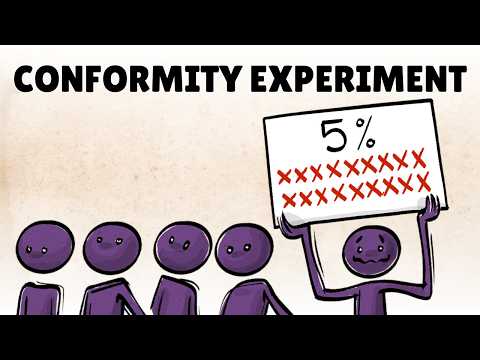
Think of some simple experiments from back in the day. There’s one famous study by Solomon Asch where people were asked to judge line lengths while being surrounded by actors giving wrong answers on purpose. Most participants ended up conforming to the group rather than trust their own judgment! This shows how powerful normative influence can be.
Applications You Can Relate To
Understanding this concept isn’t just for psychology classes—it has real-life implications:
- Marketing: Advertisers often use social proof by showcasing products as popular among consumers.
- Education: Teachers sometimes create a classroom culture where students encourage each other to engage positively.
- Mental Health: Group therapy sessions capitalize on normative influence; sharing experiences helps individuals feel less isolated.
But remember, while it’s fascinating how we’re shaped by those around us, being mindful of these influences can help us make choices that are true to ourselves too.
So yeah, next time you’re feeling that urge to blend in or do what everyone else is doing, take a moment! Ask yourself if that’s *really* what you want or if it’s just the power of normative influence at work. Seriously, self-reflection can go a long way!
And just a gentle reminder: this chat doesn’t replace professional help but hopefully sheds some light on why we sometimes act against our better judgments.
You know how sometimes you feel this urge to fit in, like when you’re at a party and everyone’s laughing at a joke you didn’t even hear? That’s a bit of normative influence right there. It’s this invisible force that nudges us to conform to what others are doing or thinking, often just to feel accepted.
I remember this one time in high school, I was hanging out with a group of friends who were all about wearing certain brands. I didn’t really care about that stuff, but there I was, sporting the latest sneakers just to blend in. It felt silly later on, realizing I cared more about fitting in than my own style. But hey, peer pressure is real! We want to be liked and included; it’s human nature, after all.
Normative influence works because we’re social beings. It’s not just about dressing a certain way; it runs deeper into how we act and think. Think about decision-making—maybe you’ve seen people jump onto trends just because everyone else is doing it? That can lead us to make choices that aren’t really what we want or believe in.
But it’s not all bad! Sometimes, following the crowd can lead us toward positive behaviors too. Like when your friends encourage you to volunteer or try new things that push you outside your comfort zone. It’s like having an invisible support system that nudges you toward growth.
The tricky part is figuring out when it’s cool to conform and when it’s better to stand your ground, right? Or maybe finding that balance between being yourself and being part of the group can sometimes feel like walking a tightrope! You want connection but also authenticity.
So next time you feel that pull from the crowd—whether it’s for good or not so great reasons—ask yourself: Is this truly what I want? It might help clarify things a bit and keep you grounded in your own thoughts while still enjoying those social vibes!