You know those moments when your little one suddenly clings to your leg like a koala? Yup, that’s stranger anxiety kicking in. It’s pretty wild how kids shift from being all smiles with everyone to becoming wary of new faces.
Este blog ofrece contenido únicamente con fines informativos, educativos y de reflexión. La información publicada no constituye consejo médico, psicológico ni psiquiátrico, y no sustituye la evaluación, el diagnóstico, el tratamiento ni la orientación individual de un profesional debidamente acreditado. Si crees que puedes estar atravesando un problema psicológico o de salud, consulta cuanto antes con un profesional certificado antes de tomar cualquier decisión importante sobre tu bienestar. No te automediques ni inicies, suspendas o modifiques medicamentos, terapias o tratamientos por tu cuenta. Aunque intentamos que la información sea útil y precisa, no garantizamos que esté completa, actualizada o que sea adecuada. El uso de este contenido es bajo tu propia responsabilidad y su lectura no crea una relación profesional, clínica ni terapéutica con el autor o con este sitio web.
This phase can be confusing. One minute they’re all giggles with the grocery store cashier, and the next, they’re turning into a mini Houdini trying to escape from a friendly neighbor. What gives?
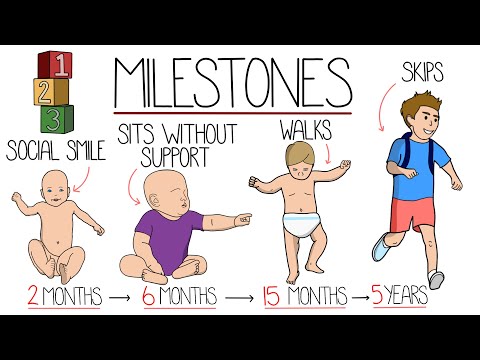
Well, let’s chat about this. Understanding stranger anxiety isn’t just about knowing it’s a thing. It’s part of growing up—literally! You’ll see how this fits right in with other developmental milestones. Grab a snack and let’s get into it!
Understanding When Stranger Anxiety Peaks in Children: Key Age Milestones
Stranger anxiety is something many little ones go through. It’s that moment when your child clings to your leg or bursts into tears at the sight of someone they don’t recognize. You know what I mean? It can be a bit tough for both you and them! So let’s break down when this phenomenon peaks in kids, all while keeping it super chill and easy to understand.
What is Stranger Anxiety?
Basically, it’s a normal part of child development. It happens when kids start realizing that there are people outside their close circle, like family or really familiar faces. This awareness usually kicks in around six months of age and can stick around for quite a while.
Key Age Milestones
- 6-9 months: This is often the first real wave of stranger anxiety. Babies might stare or cry when they see new people. They’re just starting to recognize who’s safe!
- 12 months: By this age, anxiety can intensify! Your baby has likely formed strong attachments to primary caregivers. They may even get upset if you hand them off to someone else.
- 2 years: Little ones are more aware of social dynamics now. They might actively reject strangers and show clear preferences for familiar faces.
- 3+ years: This age group may still feel anxious but are also learning how to express it in ways other than crying. They might say things like “I don’t want him!” when meeting someone new.
Let me share a little story here: I remember a family gathering when my niece was around 18 months old. She would absolutely cling to her mom when anyone unfamiliar approached, as if she was saying, “Back off!” It took several visits for her to warm up, but then she started showing interest in games like peek-a-boo with new relatives. That shift in comfort level made all the difference!
The Role of Development
So why does this happen? Well, it has a lot to do with brain development. As children grow, their cognitive skills start evolving—especially how they process social cues and emotions.
- Cognitive Development: As language skills improve, kids begin expressing their fears verbally instead of just crying.
- Emotional Awareness: Increasingly recognizing their own feelings helps them understand what’s going on—both inside and outside.
Navigating Stranger Anxiety
As a parent or caregiver, figuring out how to handle this stage can be crucial:
- Stay Calm: Children pick up on your vibes! If you’re cool about meeting new folks, they’ll likely follow suit.
- Create Familiarity: Gradually introduce your child to new people—start with brief visits before diving into long playdates.
- Soothe Them:/i: A gentle hug or distraction works wonders! Maybe bring along their favorite toy during outings?::
:
:
:
:hi-there
hi.rhpi-mom.map:helper-example-html-format:brian.i-mother.beauty=important-giantmoon-abstract:heroine-magic dream| |It’s essential you remember that this stage is perfectly normal! If things seem more intense than usual or linger longer than expected though? It might be worth chatting with a professional just for peace of mind.
In short—stranger anxiety peaks at different times depending on growth and individual temperament; it’s all part of discovering the world alongside you!
Understanding Baby Stranger Anxiety at 4 Months: Causes, Symptoms, and Tips for Parents
Baby stranger anxiety is a common phase that you’re likely to encounter around the four-month mark. It’s a totally normal part of development, so don’t worry if your little one starts getting a bit fussy around unfamiliar faces!
What Causes Stranger Anxiety? Well, it mostly boils down to your baby’s growing sense of social awareness. At this age, they begin to recognize familiar faces and develop attachments. When they see someone new, it can be confusing, leading to fussiness or crying.
Here are some key causes:
- Attachment Development: Babies form bonds with their caregivers, making other people seem less safe.
- Cognitive Growth: They start understanding the difference between known and unknown individuals.
- Sensory Overload: New faces may bring new smells, voices, and movements that can be overwhelming.
You probably noticed that babies tend to look at you more during this stage when they’re in a room full of people. That’s because you’re their safe space! But hey, it’s also fascinating how they pick up social cues.
Symptoms of Stranger Anxiety usually include:
- Crying or fussing when held by someone unfamiliar.
- A clinging behavior towards you or their favorite caregiver.
- A watchful demeanor; they might stare at new people instead of engaging with them.
This behavior is pretty common among babies from about 4 months up until 2 years old. It’s basically them expressing their feelings and navigating their new world.
If you’re looking for ways to help ease your baby’s anxiety around strangers, here are some tips:
- Stay Calm: If you remain relaxed when introducing them to new people, they’ll pick up on that vibe!
- Create a Routine: Familiar environments help kids feel secure. Try meeting friends in places you’ve visited before with your baby.
- Anxiety Games: Simple games like peek-a-boo can help your child learn that it’s okay for people to come and go!
Your patience really matters here! Remember that stranger anxiety is just part of their development—it won’t last forever. Most babies grow out of this phase as they become more confident in social settings.
If you’re feeling overwhelmed by this phase or have concerns about your baby’s behavior, don’t hesitate to reach out for professional help. Just know that this part of growth is super common! You’re definitely not alone in this journey—so hang in there!
When Does Stranger Anxiety Peak in Children? Understanding the Developmental Timeline
Stranger anxiety is something most parents will encounter at some point. It’s that moment when your once easy-going baby suddenly clings to you and eyes the new face in the room like they just spotted a monster. So, when does this anxiety really peak? Let’s break it down.
What is Stranger Anxiety?
Stranger anxiety is basically a developmental phase where children feel nervous or fearful around people they don’t know. This usually starts around 6 months of age, but there’s more to know about how it evolves.
When Does It Peak?
Stranger anxiety tends to peak between 8 and 10 months. At this stage, babies have become more aware of their surroundings and can recognize familiar faces versus those that are new to them. You might notice your little one becoming more clingy or even crying when someone unfamiliar gets too close.
The Timeline of Developmental Milestones
– 6-8 Months: This is when babies begin showing signs of stranger anxiety. They might fuss or cry when approached by someone they don’t know.
– 8-10 Months: The peak occurs here. Your baby may not only become upset but also display signs of distress like burying their head in your shoulder.
– 10-12 Months: The behavior may begin to lessen as babies start recognizing and trusting familiar faces a bit more.
– 1 Year and Beyond: By around 18 months, many kids are more comfortable with new people, although some will still show preferences for familiar caregivers.Anecdote Time!
I remember visiting my friend’s house with my toddler in tow. As soon as he saw her uncle, who he had never met before, he buried his face in my arm! I couldn’t help but chuckle while explaining to him that Uncle Mark was harmless—a friendly giant without any scary monsters! Eventually, after some gentle encouragement from me (and maybe a snack), he slowly warmed up.
Coping Strategies
Now that you understand the timeline, what can you do if your child exhibits stranger anxiety? Here are a few ideas:
- Create Familiarity: Let your child play with toys or items that remind them of home.
- Praise Calm Behavior: Celebrate even small victories when they interact with others.
- Avoid Forceful Interaction: Allow them space; don’t force them into situations where they feel uncomfortable.
- Sneak in Social Exposure: Gradually introduce them to new people in a calm setting.
Remember, this phase is completely normal and part of growing up. Children develop at different paces—some breeze through it while others might take their sweet time.
To sum it up: stranger anxiety peaks around 8 to 10 months but fades away as kids grow older and become more secure in their social world. If your little one struggles during this period, just hang tight; you’ve got this! And if things feel overwhelming at any point? It’s perfectly okay to seek professional guidance—because every child is unique!
You know, when you think about babies and toddlers, you might not realize just how much goes on in their little minds as they grow and develop. One really interesting thing that pops up is stranger anxiety. It’s that cute but a bit sad phase when your kiddo freaks out at the sight of someone they don’t recognize. I mean, have you seen a baby cling to their parent’s leg like it’s a lifebuoy in stormy seas? Adorable but intense!
Stranger anxiety usually kicks in around 6 to 8 months of age and can last until they’re about two or even three years old. It’s kind of like a safety switch for infants. They’ve finally figured out who their close circle is—mom, dad, maybe grandma—and suddenly anyone outside that bubble feels like a potential threat. Yeah, it seems dramatic, but it makes sense evolutionarily. Protecting themselves from unfamiliar faces is a way for them to avoid danger.
I remember the first time my niece met someone new at a family gathering. She was chilling on the floor one moment, playing with her toys, and then she spotted my cousin—someone she’d never seen before—and bam! It was like someone flipped a switch; she started crying her little eyes out! My sister tried everything: funny faces, silly voices, but nope! She wanted nothing to do with anyone that wasn’t familiar. We all found it hilarious after the fact because she eventually warmed up.
So why does this happen? Well, during those early months, kids are learning about their world at lightning speed! They’re developing trust and figuring out who’s safe and who isn’t based on past experiences. This process helps them understand social boundaries later on. It’s part of their emotional development—kind of like training wheels for relationships.
But here’s where it gets tricky: not all kids react the same way to strangers. Some can be super chill while others get really upset—even if they’re just dropping by to say hello. The thing is every child develops at their own pace. Some might breeze through this phase while others take a little longer to warm up.
As much as witnessing this anxiety can pull at your heartstrings (seriously!), it’s totally normal and temporary! Gradually, you’ll notice your little one becoming more outgoing as they start recognizing familiar faces everywhere they go—and that initial anxiety fades away.
All in all, stranger anxiety is just another developmental milestone—a sign that your kid is becoming more aware of their social world! Embrace the meltdowns; they’re part of growing up and figuring things out in this big ol’ world we live in together!