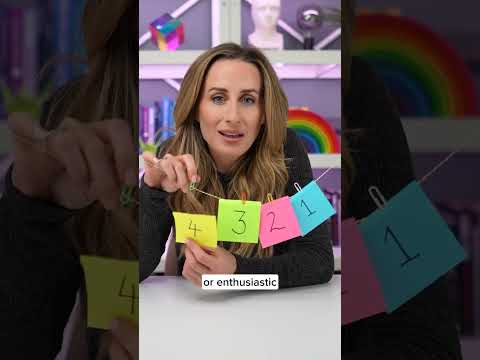
Hey you! Have you ever noticed yourself feeling all over the place? One moment you’re on top of the world, and the next, it’s like a cloud just rolled in? Yeah, I get it. It can be a bit confusing, right?
Este blog ofrece contenido únicamente con fines informativos, educativos y de reflexión. La información publicada no constituye consejo médico, psicológico ni psiquiátrico, y no sustituye la evaluación, el diagnóstico, el tratamiento ni la orientación individual de un profesional debidamente acreditado. Si crees que puedes estar atravesando un problema psicológico o de salud, consulta cuanto antes con un profesional certificado antes de tomar cualquier decisión importante sobre tu bienestar. No te automediques ni inicies, suspendas o modifiques medicamentos, terapias o tratamientos por tu cuenta. Aunque intentamos que la información sea útil y precisa, no garantizamos que esté completa, actualizada o que sea adecuada. El uso de este contenido es bajo tu propia responsabilidad y su lectura no crea una relación profesional, clínica ni terapéutica con el autor o con este sitio web.
So here’s the deal: mood changes happen to everyone. But understanding what they really look like can make a world of difference. You don’t want to feel lost or like something’s off without knowing why.
Let’s take a closer peek at those mood change symptoms together. It’s pretty eye-opening!
Recognizing Mood Changes: A Practical Guide to Understanding Emotional Shifts
Recognizing mood changes can feel like a wild rollercoaster ride sometimes, right? But understanding those emotional shifts is key to feeling more balanced. Let’s break it down in a way that makes sense.
Mood changes can happen for various reasons. It could be stress from work, an argument with a friend, or even just the weather. You might feel happy one minute and suddenly find yourself in a funk the next. So what are the signs to look out for? Here are some common symptoms:
- Changes in energy levels: One day you might bounce out of bed ready to conquer the world, and other days, you can barely drag yourself off the couch.
- Sleeping problems: Sometimes you might sleep too much, or maybe you can’t fall asleep at all. Both extremes can signal something’s off.
- Irritability: If little things start to annoy you more than usual—like someone chewing loudly or not replying fast enough to your texts—that could be an emotional shift.
- Loss of interest: When hobbies that used to excite you suddenly seem dull—it’s like your favorite game just lost its appeal; that’s worth taking note of.
- Avoiding social situations: You might notice that you’d rather binge-watch Netflix alone instead of hanging out with friends. Social withdrawal can often hint at mood changes.
Think back to a time when you experienced a mood dip—maybe after a tough breakup or a stressful week at work. It’s normal! You’re definitely not alone in feeling overwhelmed.
Now let’s talk about recognizing triggers. What caused those shifts? Maybe it was stress from work deadlines or conflicts with loved ones. Keeping a journal can really help here! Write down what you’re feeling and what was happening around you at that time. Patterns will emerge—trust me!
Keep in mind that everyone experiences these fluctuations differently. For some folks, mood swings are mild and fleeting; for others, they may be more intense and last longer.
If these changes start impacting your daily life significantly—or if they’re becoming hard to handle—don’t hesitate to reach out for help. Sometimes talking things over with someone—a friend or mental health professional—can bring clarity.
In the end, spotting mood changes is about paying attention to yourself and how you’re feeling just like noticing how many lives you’ve used up while gaming! Just remember that understanding your emotions is **important**, but it’s not always easy. Luckily, you’re capable of navigating this emotional landscape!
Key Indicators for Recognizing Signs of Depression: A Practical Guide
So, let’s get into something super important: recognizing the signs of depression. This isn’t just about feeling sad; it can be a lot more complex. Knowing the key indicators can really help you or someone you care about.
The first thing to note is that mood changes can be pretty subtle at first. Maybe you’re just feeling a bit off, or perhaps your energy levels are lower than usual. Here are some signs to pay attention to:
- Persistent Sadness: If you notice that feelings of sadness stick around for weeks instead of just a few days, that’s a big red flag.
- Loss of Interest: Remember when you loved binge-watching that favorite series or playing your go-to video game? If those things suddenly don’t excite you anymore, it could mean something’s off.
- Changes in Sleep Patterns: Are you sleeping way more or struggling to drift off at night? Both extremes can signal depression.
- Appetite Changes: Eating more or less than usual? It might not just be stress from work – it could be tied to your mood.
- Irritability: Feeling cranky all the time? It’s not unusual for depression to manifest as irritability instead of sadness.
- Lack of Energy: Everything feels like an uphill battle? That weariness, even after resting, isn’t something to brush aside.
You know what’s really tricky? These changes can feel normal in our busy lives. But if they last and impact daily activities—like going out with friends or finishing work tasks—it might be time for a closer look.
I remember one time when I was deep into my studies. I thought I was doing fine because I kept pushing myself through late nights and missed social events. Eventually, though, everything felt heavy, like I was wearing lead boots everywhere! A friend pointed out how distant I seemed; sometimes we need others to help us see what we can’t in ourselves.
If you’re noticing these symptoms in yourself or someone else, it’s crucial to talk about it. Reaching out doesn’t mean you’re weak; it means you’re strong enough to face what’s going on. But remember—this isn’t a substitute for professional help! Only a trained mental health professional can give proper guidance and support.
So take these signs seriously! They’re important indicators that shouldn’t be ignored. Keep an open mind and heart; being aware is the first step toward getting better!
Understanding the Causes of Mood Swings in Females: A Comprehensive Analysis
Hey there! Mood swings can feel like riding a roller coaster, right? One minute you’re on cloud nine and the next, it feels like everything’s crumbling. Let’s chat about what causes these shifts in mood for females. It’s often more complicated than just “feeling off.”
First, let’s break down some common causes of mood swings:
- Hormonal Changes: Females experience hormonal fluctuations due to menstruation, pregnancy, or menopause. These changes can seriously mess with your mood.
- Stress and Anxiety: Everyday life can throw curveballs. Job stress, relationship issues, or school challenges can lead to frustration which might trigger mood swings.
- Lifestyle Choices: Lack of sleep or poor diet is sneaky! If you’re not fueling your body right or catching enough Z’s, your mood will totally take a hit.
- Mental Health Conditions: Disorders like depression or bipolar disorder often come with intense mood shifts. Recognizing this is super important for seeking help.
- Dietary Factors: Ever notice how certain foods make you feel different? Low blood sugar or caffeine overload can change your energy levels and feelings.
You might be wondering about the signs that indicate these mood changes are happening. While each person’s experience is unique, here are some symptoms to look out for:
- Irritability: Feeling easily annoyed? It could be a red flag.
- Sadness: Sudden waves of sadness that don’t seem tied to any specific event may signal a shift.
- Anxiety: Feeling more on edge than usual? This could accompany those swings too.
- Euphoria: Some days you might feel overly happy; it’s like riding high on a sugar rush!
I once had a friend who seemed to cycle through moods faster than I could finish my coffee! One minute she was the life of the party; the next she’d be sitting quietly in a corner. Turns out she was going through some hormonal changes that really affected her emotions. Just goes to show how interconnected everything is!
If any of this sounds familiar—or if you know someone who deals with it—recognizing these symptoms is critical. Speaking with a professional can be incredibly helpful if things feel overwhelming. They can guide you in finding techniques or treatments tailored just for you.
The point is: understanding why these shifts happen gives us power over them. It helps create awareness around what triggers them and consequently how we might manage them better in our lives.
Buckle up for this journey! So many factors play into our moods daily—embracing that complexity is part of being human!
This isn’t meant as professional advice; just sharing insights from my perspective as we navigate this together! And remember, reaching out for help when needed is always okay!
You know how sometimes you wake up and just feel off? Maybe you feel a little grumpy or more energetic than usual. Mood changes can be super subtle at times, but they can also hit you like a ton of bricks! Recognizing those symptoms is kind of like being a detective, paying close attention to what’s happening inside your head and even in your body.
I remember this one time I was feeling really low, and I couldn’t put my finger on why. It was like I was stuck in a fog for days. Looking back, there were signs—a lack of energy when I usually felt like going out with friends, or snapping at little things that normally wouldn’t bother me. It took me ages to realize those mood shifts were trying to tell me something important.
So, what should you be on the lookout for? Well, first things first, changes in sleep patterns can be a big clue. If you’re suddenly sleeping way more or finding it hard to catch some Z’s, that might be a signal your mood is shifting. Then there’s appetite; are you craving comfort food or just not feeling hungry at all? And let’s not forget about social interactions—are you pulling away from people?
Another key symptom could be irritability. You might find yourself getting annoyed more easily or feeling overwhelmed by things that used to seem manageable. That tightness in your chest or that lump in your throat when you’re trying to hold back tears? Yeah, those feelings aren’t just there for fun—they could mean something deeper’s going on.
It’s important to remember mood changes aren’t always bad; sometimes they signal growth or an adjustment to new life circumstances too! But if they’re frequent or intense enough to disrupt your daily life, then maybe it’s time to explore what’s behind them—no shame in seeking help here!
At the end of the day, recognizing these symptoms is all about tuning into yourself. It’s okay if you don’t nail it every time; we’re human after all! Just keep listening and being curious about what your mood is telling you because understanding those clues can lead us toward better mental well-being—and hey, that’s definitely worth it!