So, you’ve got a little one, huh? That’s awesome! Watching them grow and change is like riding a roller coaster of emotions. One minute they’re just this tiny bundle of joy, and the next, they’re starting to crawl or babble.
Este blog ofrece contenido únicamente con fines informativos, educativos y de reflexión. La información publicada no constituye consejo médico, psicológico ni psiquiátrico, y no sustituye la evaluación, el diagnóstico, el tratamiento ni la orientación individual de un profesional debidamente acreditado. Si crees que puedes estar atravesando un problema psicológico o de salud, consulta cuanto antes con un profesional certificado antes de tomar cualquier decisión importante sobre tu bienestar. No te automediques ni inicies, suspendas o modifiques medicamentos, terapias o tratamientos por tu cuenta. Aunque intentamos que la información sea útil y precisa, no garantizamos que esté completa, actualizada o que sea adecuada. El uso de este contenido es bajo tu propia responsabilidad y su lectura no crea una relación profesional, clínica ni terapéutica con el autor o con este sitio web.
Seriously, it’s wild how fast it all happens. You blink and suddenly they’re reaching for toys or smiling back at you. It’s mind-blowing, right? Those cute little milestones are actually huge deals in their development.
But like, what do those milestones even mean? Well, you’ll find out soon. From their first giggles to those wobbly first steps, each stage is pretty exciting stuff. So let’s chat about what to expect as your baby grows. Grab a snack; this is gonna be fun!
Comprehensive Guide to Developmental Milestones: Downloadable PDF Resource
When we talk about infant developmental milestones, we’re diving into the amazing world of how babies grow and learn in those first few years. It’s such a magical time, right? From the first smile to those adorable wobbly steps, each milestone is a little achievement that shows how they’re interacting with the world around them.
What are Developmental Milestones? Basically, these are skills that most children can do by a certain age. They can range from physical abilities like crawling or walking to social skills like smiling or waving goodbye. Isn’t it wild how much happens in just a couple of years?
- Physical Development: This involves gross and fine motor skills. Gross motor skills include things like rolling over or sitting up, while fine motor skills cover grabbing toys or transferring objects between hands.
- Cognitive Development: This is all about how babies think and learn. It includes problem-solving skills and understanding cause and effect—like when you shake a rattle and it makes noise!
- Language Development: From cooing and babbling to saying simple words like «mama» or «dada,» this stage is super exciting as their vocal cords start coming alive!
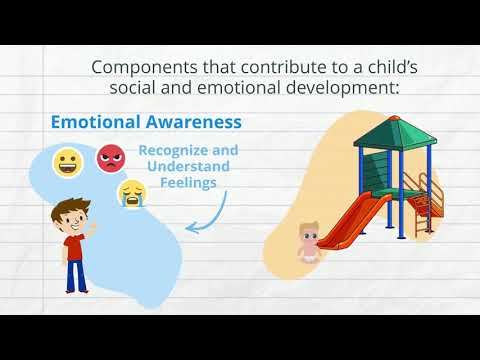
- Social and Emotional Development: Here, babies start recognizing faces, showing emotions, and developing attachments to caregivers. A smile from your baby? Heart-melting!
You know what’s cool? Every baby develops at their own pace! But there are general age ranges for when you might see these milestones pop up:
- Babies typically start sitting up around 6 months.
- Crawling usually happens between 6 and 10 months.
- Your little one might take their first wobbly steps anywhere from 9 to 15 months.
- Babbling can kick in as early as 4 months, but hey—it gets really fun around 12 months when they start saying actual words!
If you’re ever feeling concerned about your baby’s development, remember it’s okay to reach out to a healthcare professional. They’ll guide you better than any article can!
Anecdote time! I once visited my friend who had a baby that was about six months old. While we were chatting, she marveled at how her little one would try to reach for toys but only managed tiny swipes at them—so cute! It reminded me that these little actions are monumental steps toward bigger achievements.
If you’re looking for visual checklists or more organized info on these milestones—a downloadable PDF resource could really help keep track of everything. Just remember: every baby is unique; what works for one may not work for another. And no matter what stage your child is at, celebrate those small victories!
The journey of watching an infant grow is incredible; each milestone is a chance for joy. So step back sometimes, enjoy the moment—because before you know it, they’ll be running circles around you!
Essential Guide to Baby Milestones Month by Month: Understanding Developmental Progress
Infants grow and change fast, right? It’s like one minute they’re tiny bundles of joy, and the next they’re rolling over! Understanding these developmental milestones is super helpful for parents. So, here’s a fun breakdown of what to expect month by month.
- 1 Month: At this stage, babies mainly sleep and eat. Their vision is quite blurry. They can focus on objects about 8 to 12 inches away. It’s a sweet time to just cuddle and enjoy their little faces!
- 2 Months: Wow, at two months, babies start smiling socially! They respond to your voice and enjoy being talked to. You might even notice them making some cooing sounds. Playtime can involve holding their hands while you talk or sing!
- 3 Months: Here comes the head control! Your baby can lift their head while lying on their tummy. They also start recognizing faces more clearly. Plus, they might begin reaching for toys—and that’s an exciting game for both of you!
- 4 Months: This is when babies often begin giggling! They love to explore with their hands and mouths. Tummy time becomes more fun too because they might start rolling over soon.
- 5 Months: Sit back—your baby can push up from tummy to sitting now! They also have better hand coordination so shaking rattles becomes a delightful sound in your house.
- 6 Months: Half a year old already! Babies usually start eating solid foods around this time. They love experimenting with new tastes and textures—but watch out for those cute messy moments!
- 7 Months: Can your baby sit without support? If so, you’ve reached a big milestone! They may also start crawling or scooting around; it’s like watching them take their first steps into independence.
- 8 Months: And now it’s peek-a-boo time! Babies understand object permanence better; when you hide behind your hands, it’s funny instead of confusing. This age is all about exploration too—everything goes in the mouth!
- 9 Months: So much personality starts shining through now! Your baby might babble consonant sounds and could even say “mama” or “dada” (though it may not be directed at you yet!).
- 10 Months: The wobbly walking begins! Babies may pull themselves up to stand; just think of all those bumps they’ll encounter along the way as part of the journey.
- 11 Months: Time for trying new tricks—some babies can walk while holding on to furniture or even take steps independently! Their curiosity blossoms during playtime with toys that make noise or light up.
- 12 Months: Happy birthday little one! Most kids take their first real steps around this age—what an adventure awaits them now in exploring the world on two feet!
Keep in mind that every baby develops at their own pace; some might hit these milestones earlier or later than others, which is totally okay! And if you’re ever unsure about your baby’s development, don’t hesitate to reach out for professional advice.
So there you go—a simple guide through your baby’s first year of life filled with sweet milestones. Enjoy every moment because it goes by so fast—you won’t believe it until you find yourself chasing after a little toddler in no time!
Comprehensive Baby Milestones Chart: Tracking Developmental Growth from 0-12 Months
Sure thing! Tracking your baby’s development is a wild ride filled with milestones that can really give you insight into how they’re growing and learning. So, let’s break it down month by month from birth to 12 months. Just a quick heads-up, this isn’t a substitute for talking to a pediatrician or specialist if you have any concerns, okay?
0-1 Month:
In the first month, babies are getting used to the world outside the womb. They can see about 8-12 inches away and prefer high-contrast patterns. Their reflexes are strong—like grabbing your finger if you touch their palm!
- Motor skills: Limited control, mostly reflexive movements.
- Sensory skills: Responds to sounds; recognizes parents’ voices.
- Social skills: Can briefly focus on faces.
2 Months:
At two months, you’ll notice that sweet little face starting to smile intentionally. It’s like they’re saying “Hey, I see you!” They start cooing too.
- Motor skills: Begins to lift head when lying on tummy.
- Sensory skills: Tracks moving objects with their eyes.
- Social skills: Smiles in response to others.
3 Months:
By three months, babies get more control over their movements. They’re more responsive during interactions and will even start giggling.
- Motor skills: Can push up when lying on tummy; holds toys briefly.
- Sensory skills: Recognizes familiar faces; enjoys bright colors.
- Social skills: Expresses excitement with squeals or coos.
4 Months:
This is when the fun really starts! Your baby may be rolling over and getting ready for those first giggles!
- Motor skills: Rolls from tummy to back; reaches for toys.
- Sensory skills: Can differentiate between different sounds.
- Social skills: Laughs out loud; engages in reciprocal smiles.
5 Months:
Time for some serious observing! Babies at this stage might start showing preferences for certain toys or even people.
- Motor skills:: Sits with support; can grasp objects more firmly.
- Sensory skills:: Explores items by mouthing them (keep an eye out!).
- : Shows interest in mirrors and reflections!
*6 Months:*. Expectedly you’ve probably met some lower level milestones already…. At this mark babies want independence.
- .
- If they fall they won’t cry: .
- If dropped from sitting they’ll pancake off (into a rolls style slide): .
- If snuggled: Then loved on you’ll find them giggling harder than usual as well: .
You can see by now your baby grew so fast but don’t fret if little things like crawling take time 🙂
*baby grows* 💪
Just remember – each child is unique and develops at their own pace!
Stay tuned as we explore the next six months of growth…
I’ll share my notes later!
Alright, let’s talk about infant developmental milestones. You know, those little achievements that babies hit as they grow? It’s wild how quickly they go from just being these tiny, squishy beings to crawling around and babbling their first words. Seriously, have you seen a baby’s face when they figure out how to roll over? It’s like they just discovered a whole new world!
So, when we think about these milestones, we’re usually talking about things like sitting up, crawling, standing, and eventually walking. Each stage is kind of like a mini celebration of their growth. I remember when my little cousin was trying to crawl for the first time—it was both hilarious and heartwarming! He’d get up on all fours and wiggle like a little worm but would face plant just seconds later. The enthusiasm he showed was so infectious. You could see him thinking, “I’m going to get there!”
But here’s the thing: each baby is unique. There isn’t one “right” timeline for hitting these milestones. Some might start walking at 9 months while others don’t take their first steps until around 15 months or even later! And that’s totally okay. The key is providing them with love and support as they navigate this crazy process of growing up.
There are a few general categories of milestones that tend to pop up:
- Physical Development: This involves gross motor skills like rolling over and eventually walking.
- Cognitive Development: Here you’ll see babies start to recognize faces or reach for toys.
- Communication Skills: Think cooing or babbling—those adorable sounds that just make your heart melt!
- Social and Emotional Development: Those precious giggles or the way they look at you when they’re feeling shy; it shows they’re connecting with the world around them.
It can be super interesting (and maybe a bit nerve-wracking) for parents as they watch closely to ensure everything is on track. Sometimes, comparisons happen—not intentional—but you know how it goes! You see a friend’s baby walking at 10 months and wonder if yours should be doing the same thing already.
But really, it’s important to remember that every child develops at their own pace—like their own unique little rhythm. If something feels off or you’re concerned about your child’s development, chatting with a pediatrician or child therapist can help clear things up.
In the end, watching those milestones come together is one of life’s simple joys. Each little giggle of progress adds up into big leaps toward becoming an independent person! So whether it’s rolling over or saying «mama,» it all counts—you with me? Cherishing those moments makes it worth every sleepless night!