You know those days when you just feel a bit off? Like, you can’t quite put your finger on it, but something’s just not clicking? Well, that’s where understanding your personality type comes in.
Seriously, it’s like having a little map of yourself. You can figure out what makes you tick and why you react to stuff the way you do. Ever had that moment when you realize why certain things stress you out or make you super happy? That’s the magic of knowing your personality type!
Este blog ofrece contenido únicamente con fines informativos, educativos y de reflexión. La información publicada no constituye consejo médico, psicológico ni psiquiátrico, y no sustituye la evaluación, el diagnóstico, el tratamiento ni la orientación individual de un profesional debidamente acreditado. Si crees que puedes estar atravesando un problema psicológico o de salud, consulta cuanto antes con un profesional certificado antes de tomar cualquier decisión importante sobre tu bienestar. No te automediques ni inicies, suspendas o modifiques medicamentos, terapias o tratamientos por tu cuenta. Aunque intentamos que la información sea útil y precisa, no garantizamos que esté completa, actualizada o que sea adecuada. El uso de este contenido es bajo tu propia responsabilidad y su lectura no crea una relación profesional, clínica ni terapéutica con el autor o con este sitio web.
Plus, it can help with everything—friendships, work vibes, relationships. Imagine nailing those awkward convos because you finally get yourself! How cool would that be?
So let’s look at this journey together. A simple self-assessment guide might just be the thing to unlock those questions floating around in your head. Ready to dive in? Let’s go!
Understanding the 7 Personality Types: Key Traits and Characteristics
Alright, let’s chat about personality types! There are so many ways to look at how we all tick. One popular model breaks it down into seven main personality types. Each one has its own key traits and characteristics that can shape the way you think and behave. Knowing your type can be super helpful in understanding yourself and others better, you know?
Here’s a quick rundown of those seven types:
- The Leader: Always taking charge and making things happen. They’re confident, assertive, and love to have a plan. Think of a wizard in a game, guiding the party through challenges!
- The Caregiver: This person is super nurturing. Often empathetic and supportive, they thrive on helping others feel good. Like a healer class in an RPG—always looking out for the group!
- The Innovator: Creative and out-of-the-box thinkers! They’re always coming up with new ideas or solutions. Kind of like that one player who brings unique strategies to the game.
- The Scholar: Knowledge seekers who love to learn! They’re analytical and detail-oriented; things have to make sense for them. You can imagine them as the player who studies all game mechanics before jumping in!
- The Adventurer: Spontaneous and free-spirited! They crave new experiences and hate being bored. Picture those players who are always exploring every nook and cranny of the game world!
- The Diplomat: Great at making peace and connecting with people emotionally. They excel in social situations by being understanding and tactful—like that friend who’s always defusing tension in your gaming group.
- The Realist: Practical, grounded, and focused on what’s attainable instead of dreaming too big. They might remind you of the player who sticks to tried-and-true strategies instead of chasing after flashy moves.
So how do you figure out which type you might be? It usually involves some self-assessment or reflection on your behaviors—the sort of stuff you’d think about after losing a tough match or while reflecting on what makes you tick during downtime.
For example, are you always the one organizing plans? You might lean towards being a Leader. If your friends come to you for advice or support, perhaps you’re more of a Caregiver type.
Each personality has its strengths but also potential weaknesses—like how an Adventurer can sometimes forget plans or that Innovators might get lost in their ideas without execution.
Understanding these traits isn’t just fun trivia; it can help improve your relationships with friends, family, or colleagues! You get better at anticipating how people will react in different situations, which is majorly helpful when working together on tasks—or just figuring out what game character best matches your style!
But hey! Just remember that this isn’t a definitive guide for every person out there; personality is complex, right? And if you’re struggling with deeper issues related to this stuff, it’s totally cool to reach out for professional help—therapists are like guides for navigating those personal quests we sometimes face.
So go ahead! Explore these types more deeply if they resonate with you; maybe even share this info with friends during your next gaming night or coffee catch-up session!
Understanding Personality Insights: Can ChatGPT Analyze Your Traits?
Alright, let’s have a chat about personality insights and whether something like ChatGPT can actually pick up on your traits. You know, personality is such a big part of who we are. It shapes how we interact with the world and how we handle different situations. So, if you’re curious about what makes you tick, you’re not alone!
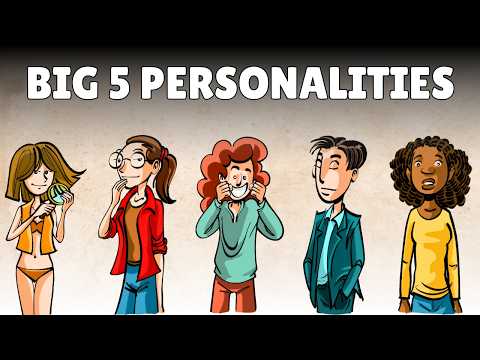
First off, when we talk about personality types, we’re usually referring to frameworks that help categorize people based on their traits. A popular one is the **Big Five** model, which looks at five major dimensions: openness, conscientiousness, extraversion, agreeableness, and neuroticism. So you can see right away there’s a lot to explore.
Now does ChatGPT analyze your personality? Well, it might not be able to do what a professional psychologist does. A chatbot analyzes language patterns and provides responses based on data it’s trained on. So while it can give some insights based on your writing style or the questions you ask, it’s not perfect.
Let me break this down into some key points:
- Language Patterns: The way you express yourself matters! ChatGPT can look at your choice of words and tone to make educated guesses about your traits.
- Context Matters: If you’re asking deep philosophical questions or lighthearted ones about favorite snacks, it shows different sides of you.
- No Replacement for Professionals: Seriously! If you’re looking for in-depth analysis or help with mental health issues, talking to someone qualified is the way to go.
- Self-Assessment Tools: There are loads of quizzes online—like Meyers-Briggs or Enneagram—that can help reveal more about your personality type!
So let’s say you take one of those quizzes. You might find out you’re an «INFP,» which stands for Introverted, Intuitive, Feeling, Perceiving. This means you’re likely imaginative and sensitive (cool stuff!). If later on in conversation with ChatGPT you’re all excited sharing creative ideas for stories or expressing emotions deeply—guess what? It might pick up those vibes!
Here’s an example: Imagine two friends playing a game together—one approaches challenges boldly while the other plays it safe. Their distinct personalities affect their strategies! The bold one might always jump into action first (extraversion), while the cautious one factors in possible outcomes (conscientiousness). Both styles are valuable but totally different.
Wrapping it up, using tools like ChatGPT for some fun exploration of your traits can be interesting but don’t mistake that for professional insight! It’s like tasting a piece of cake without knowing all the ingredients—tasty but incomplete! Keep being curious about yourself; that self-discovery is where the real magic happens!
Discover Your Personality Type: A Practical Self-Assessment Guide (PDF Download)
So, let’s chat about personality types. You know, those little snapshots of who we are at our core? They can be super helpful for understanding yourself and how you vibe with others. There are tons of frameworks out there, like Myers-Briggs or the Big Five, but here’s a simple way to think about it all.
Why Personality Types Matter
Understanding your personality type can give you insights into your habits, preferences, and even your relationships. It’s like finding a cheat code in a video game—suddenly, things make more sense! For instance, if you’re always the one organizing group outings or making plans, maybe you lean towards being more extroverted.
Self-Assessment Guide
Here’s a fun way to explore your personality without diving too deep into textbooks:
- Think About Your Energy:** Do you recharge by being alone (introvert) or by hanging out with people (extrovert)?
- Decision-Making Style:** Do you rely on gut feelings (feeling) or prefer data and logic (thinking)?
- How You Process Information:** Are you more detail-oriented (sensing) or do you focus on the big picture (intuition)?
- Your Work Style:** Do you plan everything out (judging) or prefer to be spontaneous and flexible (perceiving)?
Check in with yourself. Maybe grab a journal and jot down some scenarios where these traits show up in your life. When I did this a while ago, I realized that my aversion to spontaneous trips was rooted in my preference for planning things out ahead of time. It was an eye-opener!
Anecdote Time!
A friend of mine took one of those personality tests as part of her team-building day at work. She thought it was just another HR gimmick. But wow—once she got her results back? It lit up some light bulbs! Turns out she was an “initiator,” which explained why she always felt frustrated when her colleagues hesitated on new ideas. Now that she knows better; she works on communicating differently with team members who might take longer to warm up to change.
Practical Tips
Here’s some practical advice based on what you’ve figured out about yourself:
- If you’re an introvert:** Schedule quiet time after social events—you’ll need it!
- If you’re an extrovert:** Look for opportunities to connect with others in both work and social settings.
- If you’re a thinker:** Don’t forget about emotional aspects; sometimes feelings matter just as much!
- If you’re a feeler:** Ensure you’re also considering the logical side—it’ll save potential conflicts.
Recognizing what makes us tick is crucial for personal growth. And don’t forget; if things ever feel overwhelming or complicated—like navigating relationships or career choices—chatting with a professional can really help sort through it all.
So there you have it! A fresh way to peek into your personality without getting lost in jargon. Just remember: understanding your personality type isn’t the end-all-be-all—but it sure does help!
So, you ever thought about what makes you tick? I mean, why do you react a certain way in social situations? Or why are you drawn to specific hobbies or jobs? Real talk: understanding your personality type can be kind of like holding up a mirror. It reflects parts of yourself that you might not even notice at first!
Picture this: my friend Jamie. She’s super outgoing and always the life of the party. But then there’s me, who would much rather chill with a good book these days. One day, we took this personality quiz just for fun, and wow! It opened our eyes. Turns out, Jamie’s an extrovert—totally thrives around people—and I’m more on the introverted side. Knowing that helped us understand each other better and communicate in ways that worked for us.
Now, how do you find your personality type? Well, there’s no single way to go about it. There are tons of tests out there; they can range from the classic Myers-Briggs to simpler quizzes. Just remember—you don’t have to take it too seriously! It’s not going to label you for life or anything like that.
First off, when you’re looking at these assessments, think about what resonates with you. Some questions might feel spot on while others seem off-the-mark—that’s totally fine! You’re not trying to fit into a box; it’s more about figuring out what makes you feel comfortable or energized.
Also, keep in mind that people can change over time—our experiences shape us! Maybe five years ago, you loved being in big crowds but now crave solitude after a long day at work. That’s just how life goes!
Understand that your personality isn’t just one thing—it’s a mix of traits and preferences that make you unique. And by recognizing these traits, well, it can make your relationships smoother and help guide career choices too! Like my friend Jamie found her dream job as a sales rep because she thrives on interaction.
In the end though? Self-awareness is key. So grab a cup of coffee (or tea!), take a little time for yourself, explore some quizzes if you’re up for it—it’s all about getting to know YOU better! Life’s too short not to embrace who we really are, right?