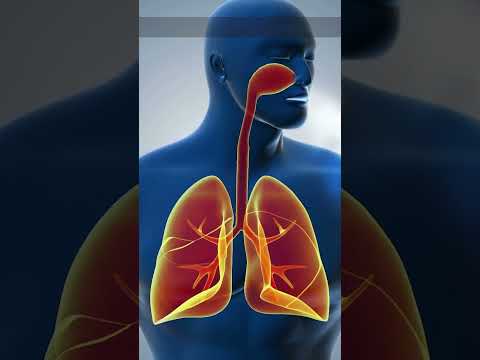
You know that feeling when you’re stressed out, and suddenly, your throat feels like it’s been through a cheese grater?
Este blog ofrece contenido únicamente con fines informativos, educativos y de reflexión. La información publicada no constituye consejo médico, psicológico ni psiquiátrico, y no sustituye la evaluación, el diagnóstico, el tratamiento ni la orientación individual de un profesional debidamente acreditado. Si crees que puedes estar atravesando un problema psicológico o de salud, consulta cuanto antes con un profesional certificado antes de tomar cualquier decisión importante sobre tu bienestar. No te automediques ni inicies, suspendas o modifiques medicamentos, terapias o tratamientos por tu cuenta. Aunque intentamos que la información sea útil y precisa, no garantizamos que esté completa, actualizada o que sea adecuada. El uso de este contenido es bajo tu propia responsabilidad y su lectura no crea una relación profesional, clínica ni terapéutica con el autor o con este sitio web.
Yeah, it’s not just you.
Stress can totally mess with your body in ways that might surprise you. It’s like your body throws a little tantrum when things get too crazy.
So, if you’ve ever wondered why stress seems to come with a sore throat sometimes, let’s break it down.
Seriously, it’s all connected!
Effective Strategies to Relieve Stress and Soothe a Sore Throat
When you’re feeling stressed, it can mess with your body in ways you might not expect. Did you know that stress can actually lead to physical symptoms like a sore throat? Yup! Stress and anxiety can really kick up inflammation in the body, sometimes making your throat feel uncomfortable. Let’s explore some effective strategies to relieve stress and soothe that nagging sore throat.
Recognizing Stress-Related Sore Throat
First things first, how do you tell if your sore throat is from stress? If you’re also feeling tightness in your chest or tension in your neck, it might just be stress causing the discomfort. Sometimes our bodies react to emotional strain with physical symptoms—kind of like when you’re so focused on a video game that you forget to take breaks!
Effective Stress Relief Strategies
- Deep Breathing: Taking a few moments to focus on your breath can work wonders. Inhale deeply through your nose for four seconds, hold for four seconds, and then exhale slowly through your mouth for six seconds. This technique helps calm your mind and reduce tension.
- Meditation: You don’t have to be a pro at meditation. Just sit quietly for a few minutes each day and focus on nothing but your breathing or even listen to relaxing music. It’s like giving yourself a mini-vacation amidst life’s chaos.
- Light Exercise: Okay, I get it—not everyone loves sweating it out at the gym. But even a short walk around the block can help boost endorphins, those little feel-good hormones! Think of it as leveling up in real life.
- Sipping Warm Liquids: Staying hydrated is key! Herbal teas are great because they’re soothing on the throat too. You might want to try chamomile or honey lemon tea—it feels like getting a cozy hug from the inside.
Soothe Your Sore Throat
If you’re already dealing with a sore throat, here are some tactics that might help ease that pain while tackling stress:
- Avoid Irritants: Steer clear of smoke or strong fragrances; those things can make your throat hurt even more! Think of it as avoiding distractions so you can play better—keep the environment clean and calm.
- Gargle Salt Water: Mixing half a teaspoon of salt in warm water and gargling can reduce swelling and kill off nasty germs lurking in there.
- Cough Drops or Lozenges: Choosing lozenges with honey or menthol can provide instant relief! Many people find these helpful when they’re feeling under the weather.
The Connection Between Stress and Physical Symptoms
You know what? It’s all connected—your mind affects your body way more than we realize. Stress isn’t just about feeling anxious; it shows up physically too! When you’re stressed out, your immune system may drop its defenses. It’s kind of like being vulnerable in an open-world game—you just leave yourself exposed!
If you’ve tried these tips but still feel overwhelmed or if that sore throat hangs around longer than expected, don’t hesitate to check in with a healthcare professional. Sometimes our bodies need an extra push from experts who really know their stuff!
The bottom line here? Take care of yourself both mentally and physically, treat yourself well during stressful times, and stay mindful about how those stresses manifest within you!
Sore Throat: How Stress and Sleep Deprivation Contribute to Your Discomfort
Stress and lack of sleep can really mess with your body, often in surprising ways. One of those ways is by giving you a sore throat. You might not immediately think about stress when your throat feels scratchy, but there’s actually a strong connection between how you’re feeling mentally and how your body reacts physically.
First off, let’s talk about stress. When you’re stressed out—maybe because of work deadlines or personal issues—your body goes into fight-or-flight mode. This means it’s preparing to face danger, even if the «danger» is just a looming project. During this process, your immune system can take a hit. Stress hormones like cortisol flood your system, which can lead to inflammation and make you more vulnerable to infections.
- Inflammation: When you’re under stress, your body may react by inflaming tissues in the throat.
- Weakened Immune Response: Chronic stress may reduce your ability to fight off viruses or bacteria.
So think about this: have you ever noticed that when you’re going through a tough time at work or school, that’s when you start getting sick? Yeah, I’ve been there too.
Now onto sleep deprivation. Not getting enough shut-eye can also cause that annoying scratchiness in your throat. When we sleep, our bodies repair themselves and recharge the immune system. If you’re burning the midnight oil too often—whether for study sessions or binge-watching shows—it affects everything.
- Immune Function: Sleep helps regulate immune function; less sleep means less defense against germs.
- Mucosal Barriers: Lack of sleep can dry out mucosal membranes in the throat, leading to discomfort.
It’s like when you’re playing a video game all night long without saving; eventually you crash or lose progress—that’s what sleep deprivation does to your health!
So here’s an example for context: remember the last time you stayed up late for days on end? You wake up feeling groggy and then notice that tickle in your throat? That tickle might be because your body’s defenses are down and you’ve been running on empty.
To wrap things up (though not really!), managing stress and ensuring enough quality sleep are key for keeping that sore throat at bay. It’s pretty clear that taking care of yourself isn’t just about feeling good mentally but physically too! Keep an eye on these factors if you’re finding yourself coughing or feeling discomfort.
And hey, look—if this sore throat sticks around or gets worse, no amount of chill vibes can replace seeing a doc. Seriously! Take care of yourself!
Understanding the Connection Between Stress, Sore Throat, and Swollen Glands
Hey you, let’s talk about something that’s probably affected all of us at some point: that annoying sore throat and those pesky swollen glands. You know, when life gets a bit too hectic and your body starts sending you signals like, “Hey! Slow down!”
So, here’s the thing. Stress can really mess with our bodies in ways we might not even think about. It’s not just in your head; it shows up physically too. When you’re stressed out, your body gets all worked up, releasing hormones like adrenaline and cortisol. These bad boys are great for short bursts of energy but not so much for everyday life.
- Stress affects your immune system. When you’re under pressure, it can lower your immune function. This makes you more susceptible to infections, which can lead to sore throats.
- Tension in muscles can cause throat discomfort. Have you ever noticed how tense we get when we’re anxious? Well, this tension can spread to the muscles around your throat and jaw, leading to pain or soreness.
- Breathing changes during stress. In stressful situations, many people tend to breathe more shallowly or through their mouth instead of their nose. This can dry out the throat and make it feel scratchy or sore.
- Stress makes you more aware of physical sensations. So if you’ve got a little tickle in your throat already, stress can amplify that feeling and make it seem worse than it is.
You might be wondering how all this relates back to those swollen glands popping up. Well, when you’re stressed, it’s common for lymph nodes—the body’s natural defense system—to react by swelling as they produce more white blood cells to fight off potential threats. So if stress hits hard and then you’ve got something like a cold lurking around? Your glands might just decide they need to put in some overtime!
Let me share a quick story: a friend of mine was juggling work deadlines with family issues and feeling completely overwhelmed. One evening after a particularly stressful day at work, she woke up with what felt like she had swallowed razor blades! A quick trip to the doctor revealed nothing major—just a reaction from her body due to stress combined with minor allergies acting up. Her immune system was struggling because of all that mental pressure!
This doesn’t mean stress is the culprit for every sore throat out there; lots of other factors come into play like viruses or bacterial infections (think strep). But recognizing that emotional strain on top of physical health concerns is critical.
So if you’re feeling run down or have persistent symptoms—like a sore throat—it’s always best to check in with a healthcare professional rather than chalking it all up to stress alone.
The bottom line? Stress has real effects on our bodies in ways that sometimes go unnoticed until we’re left dealing with uncomfortable symptoms. If you’ve noticed patterns where anxiety seems tied to physical discomforts like sore throats or swollen glands—it’s worth taking steps towards managing that stress better!
A good laugh with friends or diving into a game you love might help lighten that load just enough for clarity in both mind and body!
You know, it’s pretty wild how our bodies and minds are interconnected. I remember this one time when I was juggling a million things—work deadlines, personal stuff, you name it. My throat felt like I swallowed a cactus. Seriously! Turns out, stress can manifest in ways we don’t even realize, and that sore throat was just one of the signals my body was sending me.
So, what happens is that when you get stressed, your body goes into fight-or-flight mode. That’s basically your inner superhero trying to protect you from perceived threats. But here’s the kicker: during all that chaos, your immune system might take a hit because it’s busy responding to stress instead of fighting off germs or inflammation. It’s like trying to run a marathon while carrying a backpack full of bricks—exhausting!
You might have noticed that when you’re under pressure, little things start bugging you more than usual; headaches pop up or maybe even that annoying tightness in your chest. And then there’s the sore throat—like your body is shouting at you to take a break!
It’s interesting how stress can tighten our muscles too; even the ones around your throat. So imagine this: you’re tense and stressed out, and now every time you swallow or talk—even laugh—a little reminder pokes at you from your throat saying “Hey! Pay attention to me!” I mean, who hasn’t been there?
All in all, recognizing this connection between stress and physical symptoms can be pretty eye-opening. If you’re feeling that scratchy sensation while stressing over life’s ups and downs, maybe it’s worth taking a breather or doing something relaxing—like hitting up your favorite café or just zoning out with some tunes.
In the end, listening to what our bodies are telling us is super important. Stress is not just in our heads; it can literally get under our skin—or in our throats! So next time life feels like it’s getting too heavy on your shoulders (or throats), try to slow down for a moment and check in with yourself. You deserve that pause!