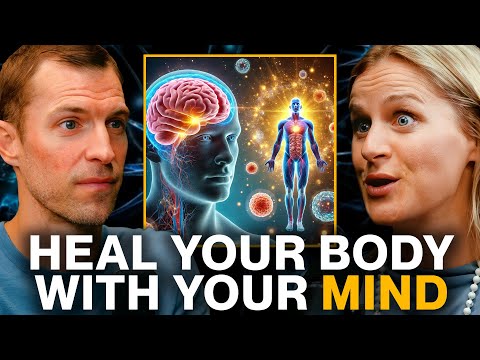
Hey there! You know what? It’s pretty wild how our minds and bodies are like best buddies. Seriously, they’re always chatting, influencing each other in ways we often don’t even notice.
Este blog ofrece contenido únicamente con fines informativos, educativos y de reflexión. La información publicada no constituye consejo médico, psicológico ni psiquiátrico, y no sustituye la evaluación, el diagnóstico, el tratamiento ni la orientación individual de un profesional debidamente acreditado. Si crees que puedes estar atravesando un problema psicológico o de salud, consulta cuanto antes con un profesional certificado antes de tomar cualquier decisión importante sobre tu bienestar. No te automediques ni inicies, suspendas o modifiques medicamentos, terapias o tratamientos por tu cuenta. Aunque intentamos que la información sea útil y precisa, no garantizamos que esté completa, actualizada o que sea adecuada. El uso de este contenido es bajo tu propia responsabilidad y su lectura no crea una relación profesional, clínica ni terapéutica con el autor o con este sitio web.
Have you ever felt super anxious and found your stomach doing somersaults? Or maybe when you’re pumped about something, your body feels lighter? That’s the connection, my friend.
In this chat, we’ll explore how mental health and physical health are intertwined. It’s fascinating stuff, and it really affects everything from your mood to how you feel physically. So grab a comfy seat and let’s dig into this whole mindbody wellness thing together!
Understanding the Mind-Body Wellness Connection: How Mental and Physical Health Interact
The mind and body are like best friends, you know? They’re always influencing each other, and when one feels off, the other often does too. Let’s take a look at how this connection works, without getting too technical.
Mental Health Affects Physical Health
When you’re feeling down or stressed out, guess what happens to your body? It can get all kinds of cranky. Stress can lead to headaches, digestive issues, and even a weak immune system. Seriously! Think about when you have a big test coming up; you might notice that pesky stomach ache creeping in. That’s the mind-body link in action.
Physical Health Impacts Mental Well-being
On the flip side, if you’re not taking care of your body—like skipping exercise or eating junk food—it can mess with your mood. Ever notice how a nice workout leaves you feeling pumped and happy? That’s because exercise releases endorphins, which are those wonderful little chemicals that boost our mood. It’s like giving your brain a high-five!
- Exercise: Regular workouts help reduce anxiety and depression.
- Nutrition: Eating well fuels not just your body but also your brain.
- Sleep: Getting enough rest affects everything from focus to emotional balance.
The Role of Stress Management
Stress management is key in keeping both mental and physical health in check. Think about it: when you’re overwhelmed, your body goes into survival mode—heart racing, muscles tense—you know the drill! Finding ways to chill out through meditation or deep breathing exercises does wonders.
And here’s an interesting thought: ever played a game where you had to keep both your resources and morale up to win? That’s similar to what we do with our minds and bodies! Balancing them both leads to a happier life.
The Power of Mindfulness
Mindfulness practices can help connect the dots between mental clarity and physical health. When you’re present in the moment—like focusing on your breath or savoring that slice of pizza—you reduce anxiety and improve digestion at the same time! It’s all about being aware; it sounds simple but it packs a punch.
In the end, remember that while this connection is real and powerful, it doesn’t substitute professional help if you’re struggling mentally or physically. If you’re feeling overwhelmed or unwell for an extended time, chatting with someone trained can be super beneficial.
So yeah, treating health as a whole package rather than separating mind from body is vital for overall wellness. Taking small steps every day towards caring for both aspects will definitely lead you to feel better both mentally and physically. You with me?
Understanding the Mind-Body Connection: How Mental States Influence Physical Health
When we think about our health, it’s super easy to focus only on the body. You know: eat well, exercise, catch those Z’s. But wait! The mind really plays a huge role in how we feel physically. Let’s take a closer look at the mind-body connection and how mental states can influence physical health.
Your mind and body are like best friends who can’t do anything without each other. Seriously! When you’re feeling stressed or anxious, guess what? Your body can respond with all sorts of symptoms—like headaches, stomachaches, or even fatigue. Ever had one of those days when you felt so overwhelmed that just getting out of bed was a chore? Yeah, that’s what I mean.
Here are some key points to keep in mind:
- Stress Response: When you’re stressed, your body releases hormones like cortisol. Too much cortisol? Not great! It can lead to weight gain and other problems.
- Moods Affect Immune Function: Positive emotions can boost your immune system! Studies show that happy folks get sick less often than those who are grumpy.
- Mindfulness Matters: Practices like meditation or yoga can help lower anxiety and improve physical outcomes—like lowering blood pressure. Seriously!
- The Placebo Effect: This is wild: when people believe they’re getting treatment—even if they’re not—they sometimes get better. That’s the power of belief!
Let me tell you a short story here. A good friend of mine was always feeling under the weather. She went to all the doctors but kept getting prescribed more meds. Then one day she decided to try meditation and some gentle yoga classes with her friends instead of focusing solely on her symptoms. Guess what? She started feeling so much better! It wasn’t just about her physical pain; it was also about her changing mindset.
So what does this all mean for you? Well, paying attention to your mental state isn’t just “fluffy talk.” It seriously matters for your physical health too!
You may want to explore integrating some techniques into your routine like mindfulness exercises or even journaling about your day-to-day feelings. Just remember: while these practices can be helpful, they don’t replace professional help when needed.
In the end, taking care of both your mind and body is essential for overall wellness—it’s not just about lifting weights or eating salads anymore! You’ve got this; just remember to check in with yourself regularly and give both sides some love!
And hey, let’s keep chatting about this mind-body thing because it’s a big topic that deserves attention!
7 Essential Habits for Achieving a Healthy Mind and Body
Taking care of your mind and body is super important. They’re not just separate things; they really do influence each other in a big way. When your mind is in a good place, your body tends to feel better, and vice versa. So let’s get into some essential habits that can help you achieve that mind-body connection.
- Regular Exercise: Moving your body is one of the best ways to boost both physical and mental health. Even something as simple as a daily walk can help reduce stress and improve your mood. Exercise releases endorphins, which make you feel happier. Think about it like leveling up in a game—every time you hit the gym or go for a run, you’re stacking those happiness points!
- Nourishing Your Body: Eating well isn’t just about looking good; it’s about feeling good too. Foods rich in nutrients are like power-ups for your brain! Fruits, veggies, whole grains, and healthy fats can enhance brain function. For instance, omega-3 fatty acids found in fish can help improve focus and memory. So next time you grab a snack, think of it as score-boosting fuel.
- Mindfulness & Meditation: Taking time to slow down matters more than we often realize. Mindfulness practices help clear the mental clutter and bring awareness to the present moment. Try spending just 5-10 minutes on breathing exercises or guided meditations each day. It’s kind of like hitting the pause button on an intense game—it helps recharge your mental batteries.
- Prioritize Sleep: Sleep isn’t just downtime; it’s when your body does some major healing! Getting enough quality sleep improves mood and cognitive function. You know how after an all-nighter you sometimes feel like a zombie? That’s because lack of sleep throws everything off balance! Aim for 7-9 hours per night to keep both mind and body sharp.
- Stay Hydrated: Water is essential for both mental clarity and physical performance. Dehydration can lead to fatigue and irritability, which nobody wants! Make sure you’re drinking enough fluids throughout the day—especially during hot weather or after exercise.
- Social Connections: Engaging with others helps improve emotional well-being significantly. Having friends or family members who support you creates a safety net that boosts confidence and resilience against stressors. Think of it as forming alliances in a game—together you’re stronger!
- Limit Screen Time & Information Overload: While technology keeps us connected, excessive screen time can drain our mental energy while also messing with our sleep patterns when we stare at screens before bed! Try setting boundaries or taking breaks from social media to allow your mind some peace.
All these habits play a part in keeping your mind sharp and your body energized by creating harmony between them.
Of course, this doesn’t replace professional help , so if you’re struggling with anything serious, reach out to someone who can really assist! Remember that small changes add up over time: every little step counts towards achieving that balance you’re aiming for!
You know how sometimes you just feel off and can’t quite put your finger on why? Yeah, that’s what happens when your mind and body aren’t in sync. It’s like they’re playing a game of tug-of-war, pulling you in two different directions. Seriously, it’s wild how intertwined our mental state is with our physical well-being.
Let me tell you a quick story. A few years ago, I was juggling work stress and personal issues – felt like my head was spinning. My back started giving me trouble, and I couldn’t figure out for the life of me what was going on. After some digging around (and a few awkward stretches), it hit me: my stress was manifesting physically! I mean, who knew my tight shoulders were so related to all that mental chaos? It’s like my body was yelling at me to chill out.
And this connection isn’t just some fluffy idea – there’s real science behind it! You’ve probably heard of something called the “mind-body connection.” Basically, it refers to how our thoughts, feelings, and emotions can affect our bodily functions. Stress can mess with your immune system or digestion; ever had those butterflies before a big presentation? That’s your mind directly affecting your body.
When you’re feeling down or anxious, your body responds too. You might clench your jaw or hunch over without realizing it. It’s kind of a feedback loop: negative thoughts lead to physical tension which makes you feel even worse emotionally. Talk about a cycle!
But here’s the kicker – nurturing both aspects can turn everything around! Simple things like mindfulness meditation or even just taking deep breaths can help clear up that mental fog and loosen tight muscles at the same time. And all those yoga classes everybody talks about? They’re not just trendy; they’re actually helping people connect their minds and bodies in a lovely way.
So if you’re ever feeling a bit out of whack, take a moment for yourself. Just pause and breathe. Listen to what your mind is saying and also pay attention to what your body feels like. You might just find that harmony between them leads to some major wellness vibes! It really makes sense when you think about it – taking care of one often means you’re looking after the other too.