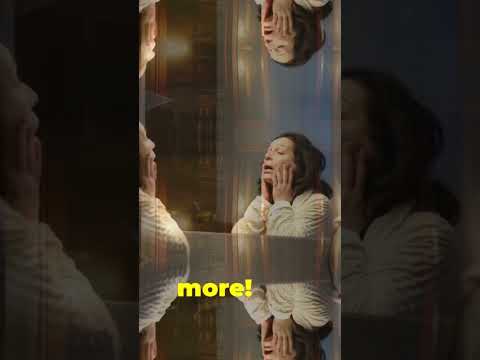
Hey, you know those moments when you catch a glimpse of yourself in a mirror and it just feels… off? Like, something’s not right?
Este blog ofrece contenido únicamente con fines informativos, educativos y de reflexión. La información publicada no constituye consejo médico, psicológico ni psiquiátrico, y no sustituye la evaluación, el diagnóstico, el tratamiento ni la orientación individual de un profesional debidamente acreditado. Si crees que puedes estar atravesando un problema psicológico o de salud, consulta cuanto antes con un profesional certificado antes de tomar cualquier decisión importante sobre tu bienestar. No te automediques ni inicies, suspendas o modifiques medicamentos, terapias o tratamientos por tu cuenta. Aunque intentamos que la información sea útil y precisa, no garantizamos que esté completa, actualizada o que sea adecuada. El uso de este contenido es bajo tu propia responsabilidad y su lectura no crea una relación profesional, clínica ni terapéutica con el autor o con este sitio web.
Well, for some people, it’s way more than that. It’s this intense fear that can make mirrors feel like creepy portals rather than reflections.
Seriously! Imagine being afraid to face your own image. Sounds wild, huh?
Let’s chat about mirror anxiety—what it is and why it can mess with your head. You with me? Cool!
Understanding Mirror Anxiety: Causes, Symptoms, and Coping Strategies
So, let’s talk about something that affects a lot of people but isn’t super common in conversation: mirror anxiety. This is a real thing, and it’s all about how some folks feel uncomfortable, anxious, or even afraid when they look into mirrors. Sounds wild, huh? But trust me, many people experience this.
First off, why does this happen? There are a few different causes to consider:
- Trauma or negative experiences: If someone has had a scary or painful experience related to mirrors—like seeing something unsettling or being bullied about their appearance—it can create lasting anxiety.
- Sensitivity to self-image: You know those days where you just don’t feel great about yourself? For some people, looking in the mirror can make those feelings worse.
- Social anxiety: If you feel uneasy in social situations, seeing your reflection might remind you of how others perceive you—making things even more uncomfortable.
Next up are the symptoms. This is where things get tricky because it can manifest in different ways for each person:
- Panic attacks: Some people might feel their heart racing, hands shaking, or even shortness of breath when they look at themselves in the mirror.
- Avoidance behaviors: You might find yourself dodging mirrors entirely or only looking at your reflection very briefly. This can lead to awkward moments like not being able to check yourself before heading out!
- Nausea or dizziness: The physical reaction can hit hard; feeling sick when facing your reflection is pretty common too.
I remember a friend who couldn’t handle mirrors after a tough breakup. Every time she saw her reflection, she was reminded of her ex and that heartache. It was like the mirror was taunting her! To cope, she started covering up mirrors at home for a while—simple but effective for her mental peace.
If you’re dealing with this anxiety (or know someone who is), here are some strategies that may help:
- Acknowledging your feelings: It’s super important to accept what you’re feeling instead of pushing it aside. Try journaling about these emotions!
- Meditation and mindfulness: Taking deep breaths and focusing on calming thoughts can ease the tension around mirrors. Apps or videos can guide you if you’re new to this!
- Cognitive-behavioral techniques: Working on changing negative thought patterns could help reframe how you view yourself when looking into a mirror.
This stuff isn’t easy by any means—and seriously consider reaching out for help if it feels overwhelming. Talking to someone who gets it (like a therapist) could be really beneficial. You’re absolutely not alone in feeling this way!
The bottom line? Mirror anxiety is real and tough for many people. But with understanding and support—for yourself or others—you can work through these feelings one step at a time. And hey, remember: facing your reflection shouldn’t be harder than leveling up in your favorite game!
Understanding Eisoptrophobia: Symptoms, Causes, and Treatments for Fear of Mirrors
Eisoptrophobia is a pretty intense fear of mirrors. People with this phobia might feel an overwhelming sense of anxiety or panic when they see their reflection. It’s not just about disliking mirrors; it can seriously affect daily life. Here’s a closer look at what this fear entails, from symptoms to possible treatments.
Symptoms can vary from person to person, but some common ones include:
- Intense fear or anxiety when looking into mirrors.
- Avoidance of places with reflective surfaces.
- Physical reactions like sweating, trembling, or increased heart rate.
- Nausea or dizziness when confronted with a mirror.
- Panic attacks that could include feelings of being trapped or losing control.
Imagine you’re in your bathroom, getting ready for work. You know you need to brush your hair and check your outfit in the mirror, but just the thought gives you chills—your heart races and your palms sweat instead. That’s a glimpse into how eisoptrophobia feels.
Now, let’s break down what might cause this phobia. The root of eisoptrophobia can be complicated:
- Traumatic experiences: Maybe as a child, something scary happened related to mirrors—a spooky movie scene that stuck with you.
- Cultural beliefs: In some cultures, mirrors are linked to superstitions or bad luck which can create anxiety around them.
- Personal history: Past mental health struggles may play a part. Anxiety disorders often come hand-in-hand with phobias.
- Genetic factor: If anxiety runs in your family, you might be more predisposed to developing phobias like this one.
So what do you do if you think you might have eisoptrophobia? Well, there are treatment options available:
- Cognitive Behavioral Therapy (CBT): This is super effective for phobias. It helps people understand their fears and teaches coping strategies—like gradually facing mirrors in safe environments!
- Exposure therapy: Gradual exposure can lessen fear over time. This might mean standing near a mirror incrementally until you’re comfortable looking directly into it.
- Relaxation techniques: Deep breathing exercises or mindfulness can help calm the anxious feelings associated with mirrors—think of it as finding your Zen!
- Meditation and Visualization: These practices offer mental tools for managing anxiety by picturing yourself feeling calm around mirrors.
You should definitely talk to a mental health professional if you’re struggling with this fear. They can provide tailored guidance that fits your needs.
When we think about fears and how they manifest in our lives, it’s kind of like being in one of those horror games—where confronting the scary thing makes everything worse. But gradually facing those fears? That’s where healing happens! Just remember: it’s okay to reach out for help on this journey because you’re not alone; many folks deal with similar challenges.
In the end, understanding eisoptrophobia means recognizing that it affects real people every day, and there are ways through it! Facing these fears takes time but with support from professionals and loved ones alike, it’s completely doable.
Understanding the Fear of Mirrors at Night: Causes and Effects
I’d love to talk about the fear of mirrors at night, often referred to as **mirror anxiety** or **spectrophobia**. This fear might seem a bit odd at first, but it’s more common than you think. You might have felt uneasy when glancing in a mirror in the dark, right? So what’s going on there?
First off, let’s break down some possible causes:
- Superstitions and Cultural Beliefs: Many cultures have legends surrounding mirrors. Some people believe they can trap souls or reflect the supernatural. This can create anxiety when faced with your own reflection in low light.
- Fear of the Unknown: When it’s dark, our minds tend to play tricks on us. You know how it goes: shadows dance on walls, and something that looks pretty normal during the day suddenly seems ominous at night.
- Childhood Experiences: If you watched a scary movie featuring mirrors—like that classic scene from “Candyman” where saying his name thrice in front of a mirror brings him to life—you might have developed an aversion as a kid.
- Anxiety Disorders: For those with general anxiety issues, mirrors can amplify feelings of self-consciousness or insecurity. Thinking about how you look can be terrifying under certain conditions!
So what does this fear actually do? Let’s check out some effects:
- Sleep Disruption: If you’ve got a mirror facing your bed, those restless nights can get even worse! You may find yourself staring into it and feeling anxious instead of drifting off.
- Avoidance Behavior: Maybe you find yourself avoiding certain areas of your home—or even refusing to go near mirrors altogether. This can impact things as simple as getting ready for work or school!
- Increased Anxiety: The more you avoid situations involving mirrors, the stronger your fear may become over time. It’s like feeding a monster; the more you feed it, the bigger it gets!
It’s important to remember that if this fear feels overwhelming for you or affects your daily life significantly, seeking help from a mental health professional is crucial. They can work with you on strategies to cope with these feelings.
Sometimes sharing experiences helps alleviate fears too! A friend once told me about how she had this paralyzing panic whenever she’d walk past her bathroom mirror at night. It got to the point where she would cover it up with a towel just so she could sleep peacefully! Hearing her story made me realize that so many people go through similar struggles—even if they seem irrational.
To sum up: Mirrors at night might give us chills because of their connection to our emotions and fears. Whether it’s cultural beliefs or personal experiences fueling that anxiety, it’s valid and more common than you’d think! Just keep in mind there’s help out there if you’re feeling really stuck.
If you’ve got any thoughts or experiences regarding mirror anxiety—share away! You’re definitely not alone in this one!
You know, mirrors are pretty common in our daily lives. We check ourselves out before heading out, or just glance at our reflection while brushing our teeth. But for some people, mirrors can spark a wave of anxiety that’s hard to shake off. It’s called mirror anxiety, and it falls under the umbrella of specific phobias.
So, picture this: a friend of mine once told me about how she felt when she walked by a mirror. She described it like stepping into quicksand—her heart raced, her palms got sweaty, and she’d avoid looking directly at her own reflection whenever possible. This wasn’t just some quirky fear; it was something that weighed on her daily life in ways I couldn’t fathom. It made me realize that mirrors can be more than just glass—they can become sources of intense discomfort.
Mirror anxiety often stems from deeper issues like self-esteem problems or past traumatic experiences related to body image. It’s crazy how something so ordinary can trigger such profound feelings. For many, looking into a mirror means confronting themselves—flaws and all—and that can be daunting when you’re wrestling with insecurities.
Now, if we dig a little deeper into what specifically sparks this fear, you’ll find that it could be anything from feeling judged by one’s own reflection to an overwhelming sense of being exposed in front of others. Can you imagine that? Feeling as if the reflection staring back at you is not just you but an enemy? It sounds tough.
One interesting thing about phobias is how they manifest differently for each person. Some might feel physical symptoms like nausea or trembling when near mirrors, while others may actively avoid places where they know there are lots of reflective surfaces—think bathrooms or dressing rooms! And the thing is—it’s not just “all in their head.” Those feelings are real and valid.
Addressing mirror anxiety usually requires a bit of gentle self-reflection—not the kind you do in front of an actual mirror! Therapy can help folks unpack those fears and work toward acceptance. Sometimes using relaxation techniques or even gradually exposing oneself to mirrors can help reduce the intensity over time.
At the end of the day, having mirror anxiety isn’t about being vain or dramatic; it’s a real struggle many face quietly every day. And understanding it better might lead us to more compassion towards those battling their reflections—not just physically but emotionally too! So next time you catch your face in the glass, remember that for some people, it feels like facing their biggest fears head-on—and maybe give yourself a little extra grace while you’re at it!