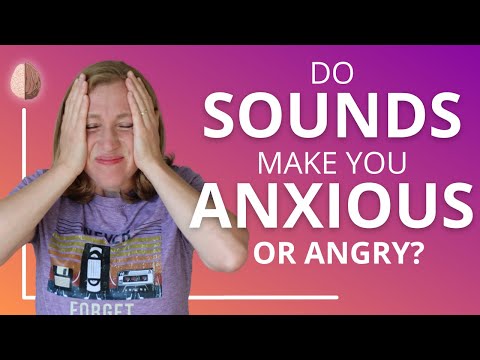
You know, sounds can be pretty weird sometimes. I mean, have you ever noticed how certain noises just get under your skin? For some folks, it’s more than just annoying. It’s like a full-on panic attack waiting to happen.
Este blog ofrece contenido únicamente con fines informativos, educativos y de reflexión. La información publicada no constituye consejo médico, psicológico ni psiquiátrico, y no sustituye la evaluación, el diagnóstico, el tratamiento ni la orientación individual de un profesional debidamente acreditado. Si crees que puedes estar atravesando un problema psicológico o de salud, consulta cuanto antes con un profesional certificado antes de tomar cualquier decisión importante sobre tu bienestar. No te automediques ni inicies, suspendas o modifiques medicamentos, terapias o tratamientos por tu cuenta. Aunque intentamos que la información sea útil y precisa, no garantizamos que esté completa, actualizada o que sea adecuada. El uso de este contenido es bajo tu propia responsabilidad y su lectura no crea una relación profesional, clínica ni terapéutica con el autor o con este sitio web.
Picture this: you’re at a party, trying to enjoy yourself, and then someone pops a balloon. That high-pitched burst can send some people into a tailspin. It’s wild how sound can shape our feelings and even our day-to-day lives!
So, what’s going on with this phobia of sounds? Why do some folks hear certain things and feel like they’re about to lose it? Let’s dig into the causes behind it and see how it affects those who deal with it. Sound good?
Effective Strategies to Overcome Sound Phobia: A Practical Guide
Hey! So, let’s chat about sound phobia, you know, that intense fear of certain noises that can be really overwhelming. It’s called phonophobia, and it can seriously affect your day-to-day life. Imagine being in a super quiet place and suddenly hearing a loud noise—like a door slamming or even thunder. For someone with sound phobia, that might trigger panic or anxiety. Pretty intense, right?
What causes this phobia? Well, there are a few factors that might contribute:
- Past experiences: Sometimes a traumatic event related to sound can lead to phobias. For instance, if you were once in a car accident during a thunderstorm, the sound of thunder might make your heart race.
- Anxiety sensitivity: If you’re more sensitive to anxiety or already have other anxiety disorders, you could be more likely to develop phonophobia.
- Genetics: Phobias can sometimes run in families; maybe your parents have similar fears.
The effects of sound phobia can range from mild discomfort to full-on panic attacks. You might avoid certain places or situations just because of the sounds associated with them—like never wanting to go back to the amusement park again after hearing screams on roller coasters.
If this sounds familiar and it’s affecting your life, here are some effective strategies you might want to try out:
- Gradual Exposure: This is where you slowly expose yourself to the sounds that scare you in a controlled way. Start with something less intense—a soft recording—and gradually work up from there. It’s like leveling up in a game!
- Relaxation Techniques: Practicing deep breathing or mindfulness can help calm those racing thoughts when faced with scary sounds. Try inhaling deeply for four counts, holding for four counts, and exhaling for six counts.
- Cognitive Behavioral Therapy (CBT): This isn’t DIY stuff; working with a therapist trained in CBT can help you reframe those negative thoughts associated with sounds. Imagine turning those scary clanks into mundane background music!
- Create Sound Associations: Pair challenging sounds with something positive! Listen to happy music while exposed to the sound that triggers you; it might change the way you feel about it over time.
You know what? Sometimes playing video games can help too! Certain games—especially those where there are lots of exciting sound effects—can get your mind used to various noises while keeping things fun and engaging.
The important thing here is **not** feeling alone or thinking you’re weird for having these fears—seriously! It’s super common and totally understandable. Just remember that these strategies aren’t replacements for professional help; if you’re feeling overwhelmed by sound phobia, reaching out for support from a mental health professional could be really beneficial.
All in all, overcoming sound phobia is about patience and practice. Just take it one step at a time!
Essential Vitamins to Alleviate Misophonia Symptoms
You know, misophonia can be a real pain. It’s that intense anger or anxiety triggered by specific sounds—like chewing, tapping, or even breathing. Some folks have even likened it to being in a horror game where the slightest noise sends them into a spiral of annoyance or distress. It’s no joke!
While there’s no magic fix for misophonia, certain vitamins might help alleviate those bothersome symptoms. Seriously, nutrients play a key role in how we handle stress and anxiety. Let’s look at some important ones!
- Vitamin B12: This vitamin is crucial for your nervous system health. Low levels can lead to anxiety and irritability. Think about it—maybe you’re feeling extra sensitive to sounds because your body isn’t getting what it needs.
- Magnesium: Often called the “calm mineral,” magnesium helps our body manage stress responses better. Some studies suggest that low magnesium levels can increase anxiety symptoms, which could potentially exacerbate misophonia.
- Omega-3 Fatty Acids: You’ll find these good fats in fish like salmon and walnuts. They’re linked to brain health and may reduce symptoms of anxiety, helping you react less dramatically to annoying sounds.
- Zinc: This is another essential mineral that plays a role in mood regulation. Zinc deficiency could contribute to feelings of irritability or unease as well—things we definitely want to avoid when those chewing noises come around!
Let me tell you—when I first learned about my own sensitivity to sound, I was baffled by how it affected my daily life. Simple things like crunching chips during a movie night could send me spiraling into frustration! I started focusing on my diet and ensuring I was getting enough of these vitamins through food or supplements (with professional guidance), and honestly? It made a noticeable difference.
Now, don’t forget: while adding these vitamins can support your overall well-being, they’re not a substitute for professional help if misophonia is really impacting your life. Consulting with someone who gets it—even if they aren’t holding all the answers—can provide some comfort.
So yeah, just keep in mind that exploring dietary changes could help ease those pesky symptoms—a little bit of nutrition might just make those irritating sounds more bearable!
Understanding Misophonia: Causes, Symptoms, and Coping Strategies
Misophonia is this fascinating condition where certain sounds just drive people absolutely bonkers. Seriously, it’s like hearing fingernails on a chalkboard—only more common and often more intense for those who experience it. People with misophonia might feel rage or anxiety when they hear specific noises. So, what’s behind this? Let’s break it down, shall we?
Causes of Misophonia
The exact causes are still a bit of a mystery. Some research suggests that it might be related to the way your brain processes sounds. Basically, some folks’ brains react differently to certain auditory stimuli, triggering strong emotional responses.
Another idea is that it might connect to past experiences or learned behavior. For example, if you had a super annoying sibling who chewed loudly all the time, your brain might link that sound with frustration and discomfort.
Common Symptoms
So, what does misophonia look like in real life? Here are some classic symptoms:
- Intense anger or irritation: When you hear someone chewing or breathing loudly—it doesn’t just annoy you; it feels like nails on a chalkboard.
- Anxiety: Just thinking about being in situations where those sounds will occur can pump up your stress levels.
- Avoidance: You might go out of your way to avoid dining with friends or sitting near people who make these noises.
- Physical reactions: Some folks experience racing hearts, sweating, or even the urge to flee when they hear trigger sounds.
Imagine being at the movies and all you can think about is the sound of popcorn crunching in the row behind you—yikes! It’s not just annoying; it’s overwhelming.
Coping Strategies
If you’re dealing with misophonia—or know someone who is—it’s good to have some coping strategies up your sleeve:
- Earmuffs or noise-canceling headphones: These can be lifesavers in noisy environments.
- Meditation and mindfulness: Learning to calm your mind can help lessen the emotional impact of those pesky sounds.
- Tuning into music: Playing your favorite tunes can drown out irritating noises while helping you chill out.
- Therapy: Speaking with a professional about your experiences may lead to valuable coping techniques tailored just for you.
One thing’s for sure: while these strategies may help manage symptoms, they don’t replace professional guidance if things get heavy.
In short, misophonia is no walk in the park; it’s intense and often isolating. The good news? With awareness and some handy coping tools, folks can find ways to manage their reactions and navigate social situations better. So if you’re feeling overwhelmed by noise around you—you’re not alone!
You know, phobias can be pretty mind-boggling. I mean, it’s not uncommon to feel a bit anxious about certain sounds. But when that fear becomes overwhelming, it can turn into a full-blown phobia. Ever heard of misophonia? It’s this intense dislike or even anger toward specific sounds, like chewing or tapping. It’s wild how something we often barely notice can drive some people up the wall!
So, what causes this? Well, it’s not completely understood yet. Some research indicates that it might be tied to our brain’s response to certain stimuli. Like when you’re sitting in a quiet room, and someone starts tapping their pencil – suddenly it’s like they’ve turned the volume up on your irritation dial! Other factors might include past experiences where particular sounds were associated with stress or negativity. You know what I mean? If you were scolded while listening to a specific song as a kid, that tune might just hit differently for you in the future.
Let me share a little story here. I have a friend who absolutely cannot stand the sound of people chewing gum. One time we were at a café, and someone two tables over was popping their gum like it was going out of style. At first, he tried to ignore it. But then I saw his face change; he began fidgeting in his seat and glancing around as if he was on some kind of mission to silence that sound! It made him visibly uncomfortable—almost like he was stuck in some sort of auditory horror movie! Ultimately, he had to leave because he just couldn’t take it anymore.
And honestly? That’s how these phobias can affect daily life. It can cause social anxiety or even avoidant behavior where individuals steer clear of certain places or situations just to avoid those triggering noises. Imagine being afraid of sounds at work or school—it would seriously cramp your style.
But here’s the thing: understanding where these fears come from is so important for managing them. There are ways to work through these phobias—like therapy techniques that help reframe thoughts about those sounds or even exposure therapy where you get gradually used to them over time.
All in all, our relationships with sounds are complex! They can evoke memories and emotions that shape how we experience our world. So next time you’re hanging out somewhere and hear an annoying noise, maybe take a moment to think about why it bothers you—or why some people might react way more strongly than others! It’s pretty fascinating stuff when you really think about it!