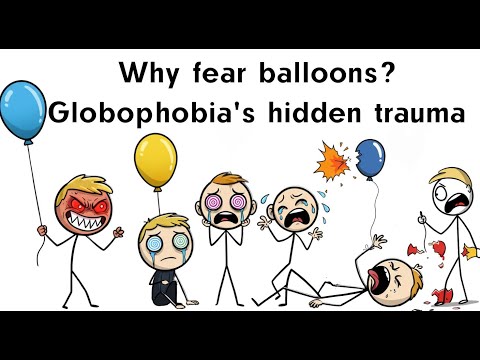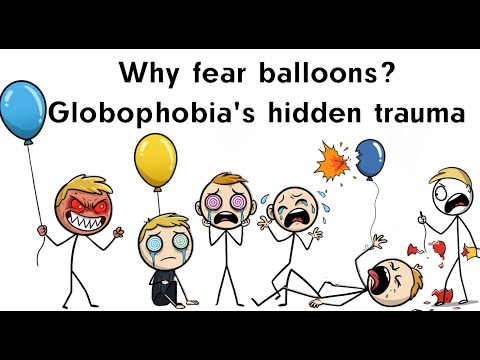
Hey, you know that feeling when you hear a balloon pop? Ugh, right? For some folks, it’s like the world just stopped. That’s balloon phobia for you.
Este blog ofrece contenido únicamente con fines informativos, educativos y de reflexión. La información publicada no constituye consejo médico, psicológico ni psiquiátrico, y no sustituye la evaluación, el diagnóstico, el tratamiento ni la orientación individual de un profesional debidamente acreditado. Si crees que puedes estar atravesando un problema psicológico o de salud, consulta cuanto antes con un profesional certificado antes de tomar cualquier decisión importante sobre tu bienestar. No te automediques ni inicies, suspendas o modifiques medicamentos, terapias o tratamientos por tu cuenta. Aunque intentamos que la información sea útil y precisa, no garantizamos que esté completa, actualizada o que sea adecuada. El uso de este contenido es bajo tu propia responsabilidad y su lectura no crea una relación profesional, clínica ni terapéutica con el autor o con este sitio web.
Imagine being at a birthday party, everyone’s having a blast, and then—BAM! A balloon bursts. Suddenly, your friend is hiding under the table. I mean, it sounds kind of funny until you realize it’s not.
So what’s up with this fear? Where does it come from? And how does it really mess with your day-to-day life? Let’s take a closer look at the wild world of balloon phobia, its causes and effects together!
Understanding Globophobia: Prevalence and Rarity of the Fear of Balloons
Globophobia is a term that might make you scratch your head, but it simply refers to the fear of balloons. Yeah, balloons—the colorful ones that float and pop at parties. You might be thinking, “How can someone be scared of balloons?” but believe it or not, it’s a real deal for some people!
Prevalence of globophobia is not super common, but it’s also not that rare. Studies suggest that fears and phobias affect around 7-12% of the population at some point in their lives. Among these folks, a small chunk has this particular fear; think about one in a hundred or so. It’s definitely not something you hear about every day at dinner parties.
So, what causes this fear? Well, often it stems from a bad experience with balloons in childhood—like when a balloon pops unexpectedly and scares the living daylights outta you. I mean, picture a kid playing with balloons at a birthday party: everything is going great until *boom*—chaos ensues! That moment can stick with someone for years.
But it’s not just about past experiences. Some people develop globophobia due to sensory sensitivities. For instance, the sound of a balloon popping might feel overwhelmingly loud or abrupt to certain individuals. That’s just how their brain processes those noises.
And then there’s the visual aspect: for some folks, just seeing balloons might trigger anxiety or stress because they associate them with unpredictability—like when they might pop at any second!
Effects of globophobia can vary widely. Imagine being invited to an event where there are balloons everywhere; for someone with this fear, it could turn into an absolute nightmare! They may feel panicked or anxious and even go as far as avoid those situations altogether. This can lead to feeling left out or isolated during social gatherings—which really sucks.
If you’re dealing with globophobia—or any phobia for that matter—it’s crucial to understand that you’re not alone in this fight! Therapy options like exposure therapy have been shown to help many people face their fears in safe and controlled settings. Sometimes just talking things through with someone trained can make all the difference.
To wrap it up—it’s pretty wild how something as innocent as a balloon can evoke such strong feelings in some folks out there. If you know someone who struggles with this kind of fear or if it’s you—you might want to reach out for professional help instead of battling it alone!
Remember: it’s okay to seek support when things feel overwhelming; facing fears isn’t easy by yourself!
Understanding the Onset Age of Globophobia: What Research Reveals
Globophobia, or the fear of balloons, might sound a bit quirky at first. But it can seriously impact someone’s life. The onset age is often critical because it sheds light on how and when these fears develop. Let’s take a look at what research has found.
First off, globophobia usually starts in childhood. Many studies suggest that children between the ages of 3 and 8 are the most vulnerable. Imagine being at a birthday party, and suddenly, a balloon pops! That loud bang can be pretty frightening for little ones. It doesn’t just end there; some kids might associate balloons with loud sounds or unexpected bursts of chaos.
Another factor is parental influence. If parents express their own fear of balloons or anxiety about loud noises, kids may pick up on that. They might see a balloon and think, “Whoa! My mom freaks out about that!” So the idea gets reinforced without anyone even realizing it.
There are also examples that connect globophobia to other anxieties. And you know how when playing video games—let’s say you’re in an exciting action game? If you get startled by something unexpected in the game, it can create a reaction that lingers—a similar process occurs with phobias. For instance:
- A child screams in fright during an in-game explosion.
- The next time they see something similar (like a balloon popping), BAM! Fear kicks in.
- Over time, this can lead to a full-on phobia.
Additionally, cultural factors come into play too. In some cultures, balloons might be associated with celebrations which can create positive feelings; however, in others, they could represent danger or chaos—think of large celebrations getting out of hand.
It’s worth mentioning that not everyone who has had a scary experience with balloons will develop globophobia. Individual differences matter too! Some people have more resilient temperaments than others—as if they were born with a bit more bravery.
For those struggling with globophobia later in life, treatment options exist! Cognitive-behavioral therapy (CBT) is often used to help individuals face their fears gradually and less invasively. While we’re not replacing professional help here at all—talking to someone trained can make all the difference!
In short, understanding the onset age of globophobia offers valuable insights into its roots. By exploring childhood experiences and influences around balloons—not to mention how we respond to those thrilling moments—research paints a clearer picture of why some people develop this fear while others don’t.
So keep your eye on those colorful spheres—they’re not just for fun but also tied to some pretty interesting psychology!
Understanding Globophobia: Causes, Symptoms, and Coping Strategies
Globophobia, or the fear of balloons, is something that might not get a ton of attention, but it’s totally real for those who experience it. Imagine being at a birthday party, and all you can think about is the potential pop of those colorful balloons. It’s more than just a dislike; it can really mess with someone’s ability to enjoy celebrations or even just hang out in places where balloons might be present.
So let’s break this down into **causes, symptoms**, and some ways to cope with it.
Causes
There are a bunch of reasons why someone might develop globophobia. Here are a few:
- Previous Traumatic Experience: If you had a scary experience with a balloon popping when you were little, that could stick with you.
- Learned Behavior: Sometimes kids pick up fears from their parents or friends. If they see someone freak out over balloons, they might do the same.
- Heightened Sensitivity: Some people are just more sensitive to certain sounds or situations. A loud pop can be overwhelming!
When I was younger, my friend had a balloon pop right in her face during an intense game of charades—talk about chaos! Watching her panic made me flinch every time I saw one after that.
Symptoms
People with globophobia can show some pretty clear signs when confronted with balloons:
- Anxiety: You might feel your heart racing or palms sweating just at the sight of them.
- Avoidance: This fear may lead you to avoid parties or events where balloons are likely to be.
- Panic Attacks: In severe cases, seeing balloons can trigger panic attacks that include nausea and dizziness.
It’s wild how such a simple object could turn into such a big deal!
Coping Strategies
If you or someone you know struggles with this fear, here are some coping strategies that may help:
- Gradual Exposure: Start small by looking at pictures of balloons before moving on to being around actual ones.
- Relaxation Techniques: Deep breathing exercises can ground you when anxiety kicks in. Imagine blowing up a balloon slowly—you’re in control!
- Talk About It: Sharing your feelings with friends or loved ones helps lighten the load and makes the fear feel less isolating.
And remember: seeking support from mental health professionals is always an option if your phobia feels overwhelming.
In the end, globophobia isn’t something to brush off lightly—it affects real lives. Understanding this phobia can pave the way for empathy and support for those who suffer from it. So next time you spot some colorful balloons floating around, maybe think twice before bursting anyone’s bubble!
Balloon phobia, or whatever you wanna call it, is one of those quirks of human behavior that really makes you go, “Huh?” I mean, just picture a kid who sees a balloon and instantly starts to panic. You know, like their whole world is crashing down because someone in the room just popped it. Honestly, it can seem pretty odd at first glance. But let’s unpack this a bit.
So, what causes this fear? Well, there’s a mix of things at play. For some people, it might stem from past experiences—maybe they were at a party where a balloon scared the daylights out of them after popping unexpectedly. That loud bang can feel like a bomb going off when you’re not ready for it! And others may pick up on the fear from family members or friends who have similar anxieties. You see? Fear can be contagious.
And then there’s the sensory overload that balloons bring along—like that squeaky sound when you rub them together or how they feel all slippery in your hands. Some folks just can’t handle that overwhelming experience and retreat into their cozy bubble of comfort. I totally get it; sounds like my Sunday morning when I need coffee before facing the world!
Let me share something personal here: I once went to this birthday party where there were balloons everywhere. One kid was hysterical every time one floated too close to him… and yeah, sure enough one popped right next to us! His reaction was visceral—it was like he saw a ghost or something. It really opened my eyes to how real these fears can be for someone dealing with them.
The effects of balloon phobia are no joke either. It can seriously cramp your style—you avoid parties and gatherings just because you’re worried about balloons lurking around every corner! Imagine how isolating that must feel when all your friends are having fun while you’re stuck finding an excuse to bail out.
In essence, it’s important to recognize that fears like balloon phobia aren’t trivial; they’re very much real for those experiencing them. So if you encounter someone dealing with this or any phobia for that matter—remember to be gentle with them; take their feelings seriously! It’s just part of being human and accepting our weirdness together.