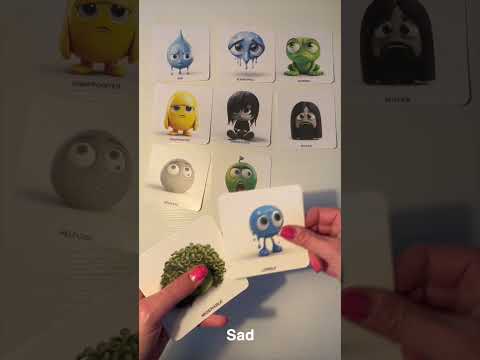
Hey there! You know, life can be a real rollercoaster sometimes. One minute you’re riding high, and the next? Bam! You hit that unexpected dip of sadness or disappointment.
Este blog ofrece contenido únicamente con fines informativos, educativos y de reflexión. La información publicada no constituye consejo médico, psicológico ni psiquiátrico, y no sustituye la evaluación, el diagnóstico, el tratamiento ni la orientación individual de un profesional debidamente acreditado. Si crees que puedes estar atravesando un problema psicológico o de salud, consulta cuanto antes con un profesional certificado antes de tomar cualquier decisión importante sobre tu bienestar. No te automediques ni inicies, suspendas o modifiques medicamentos, terapias o tratamientos por tu cuenta. Aunque intentamos que la información sea útil y precisa, no garantizamos que esté completa, actualizada o que sea adecuada. El uso de este contenido es bajo tu propia responsabilidad y su lectura no crea una relación profesional, clínica ni terapéutica con el autor o con este sitio web.
It’s rough, isn’t it? Those feelings can sneak up on you out of nowhere, and honestly, they suck. I mean, we all have our moments when things just don’t go as planned.
But guess what? It’s totally okay to feel that way. You’re not alone in this ride. So, let’s sit down together for a bit and chat about navigating through those depths of sadness and disappointment. Sound good?
Understanding the Root Emotion of Disappointment: Insights into Its Psychological Basis
Disappointment is one of those emotions that hits hard, right? You know when you’ve been looking forward to something and then, well, it doesn’t work out? That punch in the gut feeling can leave you feeling sad, frustrated, and even a bit lost. But what exactly is going on in your mind when you feel disappointment?
At its core, disappointment is a complex mix of emotions. It often arises from unmet expectations. Think about it: you plan a big night out with friends, or maybe you’re excited about landing that job. When things don’t go as hoped, it creates a gap between what you were wishing for and what actually happened.
Emotions like disappointment can be tied to several psychological concepts. Here are some key insights to think about:
- Expectation vs. Reality: Disappointment often occurs when there’s a mismatch between what we expect and what we experience.
- Loss: This feeling can also trigger grief; after all, it’s like losing something important to you.
- Self-reflection: Disappointment might lead us to rethink our choices or question our judgment.
Let me share a quick story. A friend of mine was super excited about a game release. He counted down the days, watched every trailer, and even pre-ordered it! But when he finally played it? Major letdown! The game didn’t live up to his expectations at all. You could see the disappointment wash over him; it wasn’t just about the game—it was about feeling let down by something he’d wanted for so long.
So why do we feel disappointed? Well, several factors play into it:
- Cognitive Dissonance: This happens when your beliefs don’t match your experiences. That job opportunity seemed perfect but turned out bad—that clash hurts!
- Your Inner Critic: Sometimes we beat ourselves up after disappointment; “I should have known better!” echoes in our minds.
- Your Attachment to Outcomes: The more invested you are in an outcome—like getting into a special program—the more painful the fall can be.
The thing is, experiencing disappointment isn’t just negative. It’s also an opportunity for growth! Learning how to navigate those feelings can teach resilience—like leveling up in a video game after facing setbacks.
Let’s not forget that acknowledging your feelings matters too. It’s okay to be upset over missed chances or plans gone wrong. Talking about how you’re feeling with someone trustworthy can really help clear those heavy emotions.
In this journey through disappointment and sadness remember: you’re not alone in this experience! Emotions are super complicated sometimes—they ebb and flow like waves on the shore. If you find these feelings becoming too overwhelming or leading to deeper sadness that lingers, reaching out for professional help is totally valid.
Disappointment is part of being human—it connects us all in ways that are sometimes hard to see but are essential for growth! In the end, it’s about figuring out how to level up from these experiences rather than letting them knock you down completely. So keep moving forward; each setback just means another chance for progress!
Effective Strategies for Coping with Disappointment and Sadness
Hey, let’s chat about dealing with disappointment and sadness. It’s something we all face at some point, right? You know that feeling when you’ve put your heart into something and it just doesn’t work out the way you pictured? Yeah, it stings. But don’t worry! There are some effective strategies to help you navigate these tough emotions.
1. Acknowledge Your Feelings
The first step is simply acknowledging your feelings. It’s totally okay to feel sad or disappointed. Trying to push those feelings away usually makes them worse. Just take a moment to sit with them. You don’t have to dwell on them forever, but recognizing what you’re feeling is key.
2. Connect with Others
You know how playing multiplayer games can make a tough mission way easier? The same goes for real life! Connecting with friends or family helps lighten the load of disappointment. Maybe share what you’re going through over coffee or a video call. You’d be surprised how much talking it out can help.
3. Practice Self-Compassion
Think of yourself as your own friend in times of trouble. Wouldn’t you be kind and understanding? So why not give that same kindness to yourself? Instead of beating yourself up, practice self-compassion. Remind yourself that everyone experiences setbacks; it’s part of being human!
4. Find Healthy Distractions
Sometimes, diving into a good book or binge-watching a show can be just what you need! Finding healthy distractions is a great way to take your mind off things for a bit. Play video games or go for a walk—whatever helps lift your mood without leading into unhealthy habits.
5. Write It Out
If you’ve never tried journaling, give it a shot! Writing about your thoughts and feelings allows you to express emotions in a safe space—like having an emotional release button right at your fingertips! You might find clarity in what’s bothering you once it’s down on paper.
6. Set New Goals
This one’s super important! After experiencing disappointment, setting new goals can reignite hope and motivation in your life. Start small and gradually build up from there—it’s like leveling up in a game after facing challenges!
7. Seek Professional Help if Needed
If sadness lingers and starts impacting daily life, don’t hesitate to seek professional help from a therapist or counselor.This isn’t weakness; it’s strength! They can provide tools tailored just for you.
Navigating sadness and disappointment isn’t easy; it takes time and effort. But using these strategies can make things feel less overwhelming when they happen.
I remember one time I didn’t get accepted into my dream program at school. I felt crushed but then decided to chat with friends about it, focusing on the journey instead of the setback—really helped me see things differently!
So the next time life throws you a curveball—and trust me, it will—try keeping these strategies in mind! And remember that it’s 100% okay to reach out for support when needed.
Understanding the Deepest Form of Sadness: A Psychological Perspective
Sadness is a feeling we all encounter at some point. It can sneak up on you, leaving you wondering how you ended up in that emotional pit. Sometimes it’s just a fleeting moment, but other times it can feel like you’re carrying the weight of the world on your shoulders. Let’s take a closer look at this deep form of sadness, including disappointment and the psychological factors involved.
First off, it’s important to recognize that **deep sadness** often stems from significant life events. It could be the loss of a loved one, a breakup, or even failing at something you really cared about. This kind of sadness isn’t just “feeling down.” It cuts deep and can make everything else seem gray and dull.
- Emotional Triggers: These are situations that hit close to home. Think about a time when you felt let down—maybe after not getting a job you wanted or losing an opportunity. Those moments can linger with us.
- Physical Responses: Sadness doesn’t just hang out in your mind; it affects your body too! You might feel tired, have headaches, or experience changes in appetite. Seriously, your body reacts to these emotions just as much as your heart does.
- Coping Mechanisms: Everyone has their way of dealing with sadness. Some people turn to friends or family for support; others might dive into work or hobbies. Video games can serve as an escape too—like how some gamers immerse themselves in stories where characters overcome tough challenges.
Imagine this: You’re playing through an emotional game where the protagonist faces devastating losses and setbacks. Each time they stumble, it might remind you of your own struggles with disappointment and loss—making those characters so relatable! But hey, remember those moments are crafted to help players connect emotionally.
Now let’s chat about **disappointment** since it’s tightly woven with sadness. Disappointment is like an unwelcome guest who crashes your party after expectations run high. The way we perceive events shapes how disappointed we feel afterward.
- Expectations vs Reality: When what we hoped for doesn’t line up with what actually happens, that’s where disappointment thrives.
- Pessimism vs Optimism: Your outlook matters! A more positive mindset can help soften the blow when things don’t go as planned.
- Cognitive Dissonance: This fancy term refers to the mental discomfort experienced when holding two conflicting beliefs at once—like feeling excited for something only for it to flop!
So what do we do when we find ourselves lost in these depths? Acknowledging these feelings is vital; don’t bottle them up! You might want to express yourself through journaling or talk about it with someone who understands.
Mental health resources, such as therapy or support groups, can provide guidance and tools to navigate through these tough times effectively. Remember though: it’s totally okay to seek help when things get overwhelming!
Sometimes just sharing your experiences can lighten the load slightly—even if only for a bit—and lead you toward healing.
To wrap things up: deep sadness isn’t something we should ignore or trivialize; it’s part of being human and navigating our journey through life’s ups and downs. With time and care, there’s hope for brighter days ahead!
Sadness and disappointment are those heavy feelings that everyone experiences, right? Some days, it hits you like a freight train, leaving you feeling lost and unsure. It’s like when you’re excited for a big event—maybe a concert or a reunion—and then it gets canceled. You know that sinking feeling? It’s not just about the missed plans; it’s the weight of expectations crashing down.
I remember one time I really looked forward to a friend visiting. We had everything planned out—fun activities, late-night talks, the whole shebang! But then, life happened. They got caught up with work stuff and couldn’t make it. I felt this wave of disappointment wash over me. It wasn’t just the canceled visit; it was all those moments we would’ve shared, now floating away into “what could have been.”
But here’s the thing: sadness isn’t a villain here. It’s more like an uninvited guest at your party. You can’t simply kick it out; instead, you acknowledge it and figure out how to cope with its presence. Sometimes, giving yourself space to feel that sadness can be surprisingly helpful—like allowing yourself to watch your favorite sad movie and just cry about it.
And disappointment? Oh man, that one can sting! It often leads us to replay scenarios in our minds: “What if I had done this differently?” or “If only I had said that…” But dwelling on those thoughts usually leads nowhere good. What helps is shifting focus; instead of getting stuck in the past, think about what you can learn from it.
While navigating through these emotions feels rough sometimes—and trust me, some days are tougher than others—it can also bring clarity about what truly matters to us. Maybe after experiencing disappointments, we realize how important our connections are or how healthy it is to pursue our passions.
It’s all part of being human! So next time sadness knocks on your door or disappointment gives you a nudge, maybe try welcoming them in for a moment rather than pushing them away completely. After all, they’re part of life’s ups and downs—a little reminder that we’re alive and feeling deeply in this world together.


