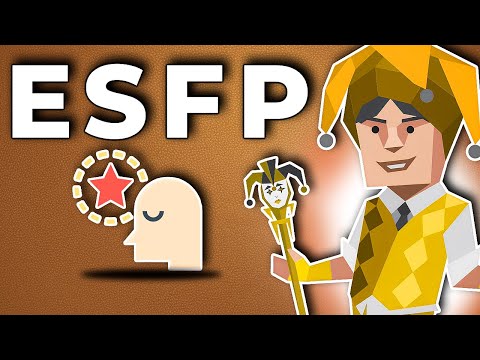
Hey you! Ever met someone who lights up the room the minute they walk in? Yeah, that’s an ESFP.
Este blog ofrece contenido únicamente con fines informativos, educativos y de reflexión. La información publicada no constituye consejo médico, psicológico ni psiquiátrico, y no sustituye la evaluación, el diagnóstico, el tratamiento ni la orientación individual de un profesional debidamente acreditado. Si crees que puedes estar atravesando un problema psicológico o de salud, consulta cuanto antes con un profesional certificado antes de tomar cualquier decisión importante sobre tu bienestar. No te automediques ni inicies, suspendas o modifiques medicamentos, terapias o tratamientos por tu cuenta. Aunque intentamos que la información sea útil y precisa, no garantizamos que esté completa, actualizada o que sea adecuada. El uso de este contenido es bajo tu propia responsabilidad y su lectura no crea una relación profesional, clínica ni terapéutica con el autor o con este sitio web.
They’re like human fireworks, full of energy and zest for life. Seriously, if you need a pick-me-up, just hang out with one. You’ll feel that contagious vibe!
But what exactly makes these folks tick? Well, they have some pretty unique traits and characteristics that set them apart from the rest of us. It’s fascinating stuff!
So grab your favorite drink and let’s chat about the ESFP personality type—what it means to be one and how it can add a splash of color to your world!
Characteristics of ESFP-T Personalities: Understanding Their Unique Traits and Behaviors
So, let’s chat about ESFP-T personalities. These folks, known as «Entertainers,» are part of the Myers-Briggs Type Indicator (MBTI). They bring life to any party with their energy and enthusiasm. If you’ve ever met someone who lights up a room, chances are they might be an ESFP!
Here’s a quick rundown of what makes them tick:
- Sociable and Outgoing: ESFPs thrive on social interaction. They love meeting new people and often have a big circle of friends. Have you noticed how they seem to know everyone at a gathering? That’s their superpower!
- Spontaneous: Planning ahead isn’t really their style. ESFPs prefer to go with the flow and embrace whatever comes their way. You might find them jumping at last-minute plans for an adventure.
- Emotionally Expressive: They’re not shy about sharing their feelings. Whether it’s joy or sadness, you’ll likely see raw emotions from an ESFP. They have this incredible knack for connecting with others on an emotional level.
- Caring and Supportive: When you have an ESFP in your corner, they’re likely cheering you on all the way. Their empathy drives them to support friends in tough times—like being that friend who always brings snacks during movie marathons.
- Aesthetic Appreciation: With a keen eye for beauty, ESFPs often appreciate art, music, and good food! You might catch one of them crafting a playlist for every mood or redecorating their space to make it feel more vibrant.
- T – Turbulent Trait: The “T” in ESFP-T refers to their tendency towards turbulence when facing challenges or stress. They can be self-critical and may struggle with decision-making at times, worrying about how others perceive them.
You know what? It’s like watching your favorite character in a game level up—they’re always adapting and learning from experiences! But sometimes that self-doubt can hold them back from reaching their full potential.
An example of this is when an ESFP-T might hesitate before performing on stage due to nerves. But once they take that leap? Magic happens! They become the star they were meant to be.
The truth is that while these traits shine brightly in social situations, it doesn’t replace the need for professional help when things get tough. Everyone has moments of struggle—it’s totally normal!
So there you have it—a peek into the spirited world of ESFP-T personalities! Whether you’re one yourself or know someone who is, understanding their unique traits could help deepen your connection. And hey, who wouldn’t want more awesome vibes around?
Understanding ESFP Behavior: What Happens When They Feel Angry
So, let’s talk about ESFPs. You know, those vibrant, expressive folks who are often the life of the party. They thrive on excitement and adventure, but what happens when they feel angry? Well, it can be a bit intense!
First off, ESFPs are Feeling types. This means they process emotions deeply and can experience anger as a surge of energy. Think of it like a character in a video game who fills up their energy bar when certain things happen. When an ESFP gets mad, their energy spikes—but it can go either way: they could become super expressive or totally withdrawn.
- Outburst Potential: When ESFPs feel anger bubbling up, they might not hold back. You could see them express that frustration openly—sometimes loudly! Imagine playing a cooperative game where one player feels their teammates aren’t pulling their weight; the ESFP might call it out right then and there. Their passion fuels their need for honesty.
- Physical Response: Since they’re often active people, their anger might manifest physically too. An ESFP could fidget restlessly or engage in some sort of physical activity—like going for a run or hitting the gym—to channel that pent-up energy. Picture them needing to get up from the couch during an intense moment in a sports game because they just can’t sit still.
- Overwhelmed by Emotion: Sometimes, though, that fiery spirit can lead to feeling overwhelmed. If an ESFP doesn’t have an outlet to express their feelings or if they bottle things up for too long (which isn’t super common), you might see them crash under all that emotion—like trying to play a game with too many players; it just becomes chaotic and unmanageable.
But it’s not all about explosive reactions! Many times, after the storm calms down, ESFPs seek connection. They want to understand what happened and why they felt so angry in the first place. It’s sort of like solving a mystery in a narrative-driven game where you have to piece together clues to move forward.
The big kicker is that ESFPs usually want to resolve conflict quickly because they value harmony and connection with others. If you hurt an ESFP’s feelings (which honestly is pretty easy given how sensitive they can be), they’ll likely want to talk about it afterward—to clear the air.
The thing is: while these insights are helpful in understanding ESFP behavior, remember that everyone is different! Just because someone identifies as an ESFP doesn’t mean they’ll react exactly this way every single time anger creeps into their life.
If you notice someone struggling with anger consistently—whether they’re an ESFP or any other type—it might be wise for them to chat with a professional who can offer deeper insights and strategies tailored just for them!
All in all, knowing how these expressive souls deal with anger gives us valuable insight into building better relationships with them—or just getting through those rocky moments together!
Understanding ESFP-T Male Personality Traits and Characteristics
The ESFP-T personality type is one of the 16 personalities identified by the Myers-Briggs Type Indicator (MBTI). If you’re an ESFP-T, or know one, let’s break down what makes this personality tick.
What does ESFP stand for? The letters represent key traits: E for Extraversion, S for Sensing, F for Feeling, and P for Perceiving. The “T” at the end stands for «Turbulent,» which means that an ESFP-T may be more sensitive to stress and prone to self-doubt compared to the ESFP-A (the Assertive variant).
Now, let’s dive into some main characteristics:
- Life of the Party: ESFP-T males are often described as charismatic and engaging. They love being around people and thrive in social situations. Whether it’s a party or a casual get-together, they’re usually the ones making everyone laugh or dance!
- Sensory Experience: These guys are all about living in the moment. They enjoy sensory-rich experiences like music festivals or adventurous outings, embracing life with all its colors and flavors.
- Emotionally Driven: With a strong Feeling aspect, they often prioritize emotions over logic. This means they’re great at empathizing but may struggle when faced with tough decisions where feelings clash with facts.
- Spontaneity: You won’t find an ESFP-T mapping every detail of their week ahead! They prefer to go with the flow, making decisions on a whim—kind of like jumping into a game at your friend’s house because it sounds fun right then.
- Turbulent Nature: The “T” signifies that they might worry more than their assertive counterparts. They can experience anxiety about their performance or how others perceive them. It’s like being nervous before stepping onto a stage but still going for it!
- Caring and Supportive: They’re usually incredibly warm-hearted friends who are there when you need encouragement or just someone to listen to you vent after a long day.
When I think about my friend Jake—an ESFP-T—he’s always ready to plan an impromptu road trip or challenge me to play video games just because he’s feeling adventurous that day! But I’ve also watched him wrestle with his thoughts after he feels he’s let someone down. That’s definitely part of his turbulent side.
All in all, if you’re navigating life as an ESFP-T male—or if you have one in your circle—you’ll find them vibrant yet sensitive souls who light up rooms but also carry deep feelings beneath their fun exteriors.
Just remember though: while personality types can be insightful for understanding behaviors and traits better—like how an ESFP-T interacts socially—they don’t replace professional help if needed. It’s important to seek support from qualified professionals when wrestling with more serious concerns!
So, let’s chat about ESFP-T personalities, shall we? If you’re not familiar with this whole personality thing, it’s one of the 16 types from the Myers-Briggs Type Indicator. The ESFP part stands for Extraverted, Sensing, Feeling, and Perceiving. And that T at the end? It means you’re a “Turbulent” type—basically someone who feels emotions intensely and reacts to situations with a bit more energy.
Just picture this: you’re at a party, and there’s an ESFP-T in the room. They’re probably the life of the shindig! You know that person who’s always telling stories that have everyone laughing, dancing like no one’s watching, and just soaking in all those vibes? Yep, that’s an ESFP for you.
One of their standout traits is warmth. Seriously! They have this genuine ability to connect with people. It’s as if they have radar for emotions; they sense when others are happy or down. I’ve had a friend who’s an ESFP-T. Once, I was feeling blue about something work-related—totally down in the dumps. She just appeared out of nowhere with donuts and a ridiculous movie recommendation. I mean, who does that? They really do have this instinctive way of lifting spirits.
Another cool thing about them is their spontaneity. Have you ever planned something meticulously only to have an ESFP swoop in and suggest a last-minute beach trip instead? You might feel a bit flustered first but then think… why not? Their zest for life often reminds others to let loose and embrace those unplanned moments.
But here’s where it gets interesting: while they’re easygoing on the surface, their turbulent side can make them feel pressure to please everyone around them. They may struggle with self-doubt or worry too much about what others think of them. So while they’re out there being all super fun and vibrant, there might be times when they retreat inwardly to fuss over things that don’t quite hit right.
And if we talk about relationships—you better believe they’re committed partners! They love deep connections but can sometimes jump into things too quickly because excitement takes their breath away (in a good way). It’s like riding a roller coaster; you’re screaming in delight but also clinging on tight!
All in all, being an ESFP-T means embracing life fully while also dealing with some emotional ups and downs along the way. These folks bring joy just by being themselves—so if you’ve got one in your life or even are one yourself—just know you add so much color to the world around you!