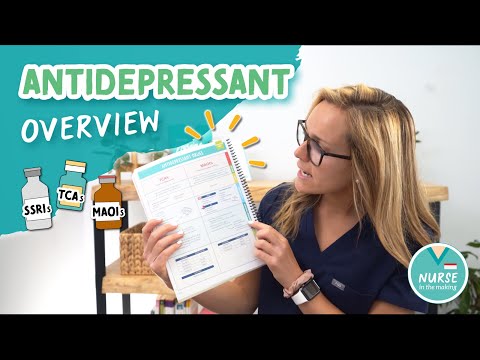
Hey, you! So, let’s chat about something that affects a lot of folks—antidepressants. You know, those little pills that can sometimes feel like a lifeline?
Este blog ofrece contenido únicamente con fines informativos, educativos y de reflexión. La información publicada no constituye consejo médico, psicológico ni psiquiátrico, y no sustituye la evaluación, el diagnóstico, el tratamiento ni la orientación individual de un profesional debidamente acreditado. Si crees que puedes estar atravesando un problema psicológico o de salud, consulta cuanto antes con un profesional certificado antes de tomar cualquier decisión importante sobre tu bienestar. No te automediques ni inicies, suspendas o modifiques medicamentos, terapias o tratamientos por tu cuenta. Aunque intentamos que la información sea útil y precisa, no garantizamos que esté completa, actualizada o que sea adecuada. El uso de este contenido es bajo tu propia responsabilidad y su lectura no crea una relación profesional, clínica ni terapéutica con el autor o con este sitio web.
They’re not one-size-fits-all, though. There are different types, each doing its own thing to help balance out those pesky brain chemicals.
I mean, some folks swear by one kind while others find it does nada for them. Crazy, right?
So if you’re curious about how these meds work or just want to understand the options better, you’re in the right spot! Let’s break it down together, easy-peasy.
Top 10 Antidepressant Medications: Key Insights and Effectiveness
So, here’s the deal: when we talk about antidepressants, we’re diving into a big pool of different medications. Each one tries to help you feel better if you’re dealing with depression or anxiety. But remember, this isn’t a substitute for professional help—just sharing information here!
- SSRIs (Selective Serotonin Reuptake Inhibitors): These are super common and include names like fluoxetine (Prozac) and sertraline (Zoloft). They’re known for boosting serotonin levels in your brain, which can improve your mood.
- SNRIs (Serotonin-Norepinephrine Reuptake Inhibitors): Think of these like a two-for-one deal! They work on both serotonin and norepinephrine. Examples are venlafaxine (Effexor) and duloxetine (Cymbalta). They can be particularly helpful if SSRIs don’t do the trick.
- TCA (Tricyclic Antidepressants): These are older medications but still show up on the list. They include amitriptyline. These can be effective but come with more side effects, so they’re not always the first choice.
- MAOIs (Monoamine Oxidase Inhibitors): Another group that’s less common today is MAOIs like phenelzine (Nardil). They require dietary restrictions, which makes them trickier to use. But for some people, they can be life-changers!
- Atypical Antidepressants: This category includes several meds that don’t fit neatly elsewhere. For example, bupropion (Wellbutrin) can help people who struggle with energy levels instead of just mood swings. It’s more stimulating!
- Nassau Agents:: Not as known as others but worth mentioning! Drugs like Nefazodone, which also deal with serotonin but have a different path than SSRIs or SNRIs.
- Aid Role of Vitamin D:
Some studies suggest that Vitamin D may work alongside antidepressants to enhance their effectiveness. Crazy, huh? Getting sunlight could potentially help boost your mood! - Bipolar Disorder Meds:
If you’re dealing with bipolar disorder, you might encounter mood stabilizers like lithium or anticonvulsants—these aren’t antidepressants per se but often play a crucial role in treatment plans. - Psychedelics in Research:
Okay, this is more experimental territory right now. There’s research going on into whether substances like psilocybin could help alleviate depression when combined with therapy. - The Importance of Combination Therapy: Often doctors might prescribe a mix of medications or add therapy for better results—it could be CBT or another approach guiding you to wellness.
The thing is, everyone experiences depression differently. What works wonders for one person might not do much for another. There are many factors at play—like genetics and brain chemistry—that influence how these medications perform.
You know what? If you’re considering medication or just need some guidance on your mental health journey, it’s always best to reach out to a healthcare professional who can tailor something that fits you best!
Your mental health matters—it really does! And understanding your options is part of taking care of yourself.
Top Antidepressants for Effectively Managing Anxiety and Depression
Alright, let’s chat about antidepressants and their role in managing anxiety and depression. Seriously, it’s a big deal for so many people, and understanding this topic can help you or someone you care about navigate these waters more effectively.
So here’s the scoop: antidepressants are medications designed to help with mood disorders. They work by balancing chemicals in your brain—specifically neurotransmitters like serotonin and norepinephrine. Think of these guys as the messengers that keep your mood in check.
The main types of antidepressants include:
- SSRIs (Selective Serotonin Reuptake Inhibitors): These are often the first line of defense. They boost serotonin levels by preventing its reabsorption into neurons. Examples include fluoxetine (Prozac) and sertraline (Zoloft).
- SNRIs (Serotonin-Norepinephrine Reuptake Inhibitors): These focus on both serotonin and norepinephrine. They’re great for anxiety and certain kinds of chronic pain too! Think duloxetine (Cymbalta) or venlafaxine (Effexor XR).
- TCA (Tricyclic Antidepressants): Not as commonly prescribed these days due to potential side effects, but they can be effective for some people. Examples are amitriptyline and nortriptyline.
- Mood Stabilizers: Sometimes used in conjunction with other meds, they help stabilize mood swings. For instance, medications like lithium can be effective for bipolar disorder.
- Atypical Antidepressants: These don’t fit neatly into the other categories but can still be helpful—for example, bupropion (Wellbutrin), which also helps with quitting smoking!
You know what? I once talked to a friend who struggled a lot with depression before finding the right medication combo. It took time to nail down what worked best! The journey was not easy; it involved switching medications a few times before landing on an SSRI that clicked for them.
The cool part? Many people find relief within a few weeks of starting antidepressants, though you may have to try different ones to see what works best for you. But keep in mind—patience is key! And please remember that these meds aren’t always magic pills; they often work best alongside therapy or lifestyle changes.
If you’re considering asking a doctor about these options, make sure to share your complete medical history because every individual is unique—what works for one might not work for another!
This is super important: while exploring medication options is great, it’s crucial to speak with a healthcare professional about it. Antidepressants can have side effects or interactions with other meds you’re on—so consult first!
In the end, whether it’s through SSRIs or any other type of medication, finding balance is possible! And hey—you’re not alone in this journey! There’s always hope.
Comprehensive List of Antidepressant Medications: Names, Types, and Uses
When talking about antidepressants, it’s kind of like diving into a really big toolbox. Each tool has its purpose, and understanding what’s in there can really help you get a grip on how they work.
First off, let’s break it down into types:
- Selective Serotonin Reuptake Inhibitors (SSRIs): These are probably the most commonly prescribed antidepressants. They help increase serotonin levels in the brain, which can boost your mood. Think of serotonin as a well-deserved power-up in a video game. Some examples include:
- Fluoxetine (Prozac)
- Citalopram (Celexa)
- Escitalopram (Lexapro)
- Serotonin and Norepinephrine Reuptake Inhibitors (SNRIs): Like SSRIs but with an extra boost! Besides helping serotonin, these meds also target norepinephrine. It’s like adding another level to your game to keep you energized. Examples include:
- Duloxetine (Cymbalta)
- Venlafaxine (Effexor XR)
- Tetracyclic Antidepressants: These are older drugs that can be effective too. They work a bit differently and may have more side effects to watch out for. Some names are:
- Mirtazapine (Remeron)
- Tricyclic Antidepressants (TCAs): Another older class, these have been around since the 1950s! They can be quite effective but come with more baggage in terms of side effects compared to newer options. Some well-known ones are:
- Amitriptyline
- Nortriptyline (Pamelor)
- Monoamine Oxidase Inhibitors (MAOIs): This class isn’t prescribed as much nowadays due to dietary restrictions and potential interactions with other medications, but they can be helpful for some people. You’ll often hear about:
- Phenelzine (Nardil)
- Tranylcypromine (Parnate)
You may be wondering how these medications actually impact your mood or feelings of anxiety, right? Well, what happens is that they essentially tweak neurotransmitter levels in your brain, kind of like adjusting the volume controls on your favorite playlist.
You know, it’s super important to remember that while this list gives you an idea of what’s available out there, everyone reacts differently to medication. That means what works wonders for one person might not do much for another.
If you’re considering antidepressants or have questions about them, chatting with a professional is always the best way forward. Seriously! A doctor can help find the right fit based on individual needs.
I mean, taking care of our mental health shouldn’t feel like a solo mission; it’s totally okay to ask for support whenever needed!
You know, it’s pretty common these days to hear people talking about antidepressants like they’re just another part of life. Whether it’s a friend or a family member, some people swear by them, and others have had a rough time with side effects. So let’s take a moment to reflect on what antidepressants are and the different types that exist out there.
First off, you’ve probably heard of SSRIs. That stands for selective serotonin reuptake inhibitors. It sounds fancy, but all they really do is help keep serotonin – that feel-good chemical – available in your brain for longer. When I think about my college days, I had a roommate who struggled with anxiety and depression. He started taking an SSRI after trying everything else. It was amazing to see how it helped him slowly regain his spark.
Then there are SNRIs, which stands for serotonin-norepinephrine reuptake inhibitors. They function similarly but also increase norepinephrine levels—not just serotonin—which can help with motivation and energy. So basically, it’s like adding another power source to the battery that keeps your mood up.
And don’t forget about older classes like tricyclic antidepressants (TCAs). These guys have been around for ages and are sometimes used when other options don’t work out so well. They can be effective but come with their own set of side effects that might make you want to think twice before jumping on board.
Oh! And atypical antidepressants! These are kind of the wild cards in this whole game—they don’t fit neatly into the other categories but can still do some heavy lifting when it comes to improving mood.
But here’s the kicker: not every antidepressant works for everyone. You could try one type and find it’s like wearing shoes two sizes too small—just doesn’t fit right! That’s why finding the right one can feel like you’re on an endless treasure hunt.
In talking to friends going through this process, I hear a lot about the trial and error involved—like actually looking for that perfect pair of jeans that make you feel great. Sometimes you gotta go through a few duds first before finding “the one.”
The bottom line? Antidepressants aren’t magic pills; they’re more like tools in your toolkit. With patience and support from loved ones (hey, that’s important), you might just find something that helps brighten your days!